Wondering what day-to-day life feels like in Bowie’s planned communities? You want a place that makes routines easier, offers parks and programs close to home, and gives you housing options that match your lifestyle. In this guide, you’ll learn how Bowie’s neighborhoods are laid out, what amenities you’ll actually use, how HOAs work, and what to test before you buy or sell. Let’s dive in.
Planned living in Bowie
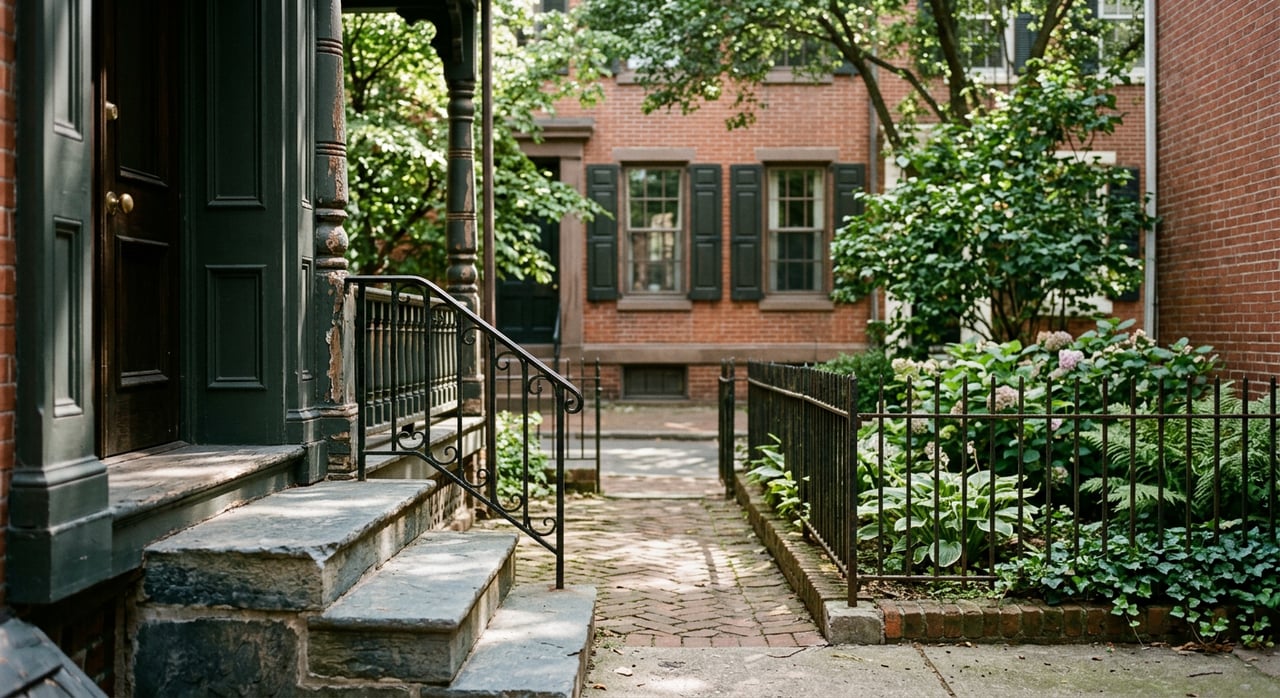
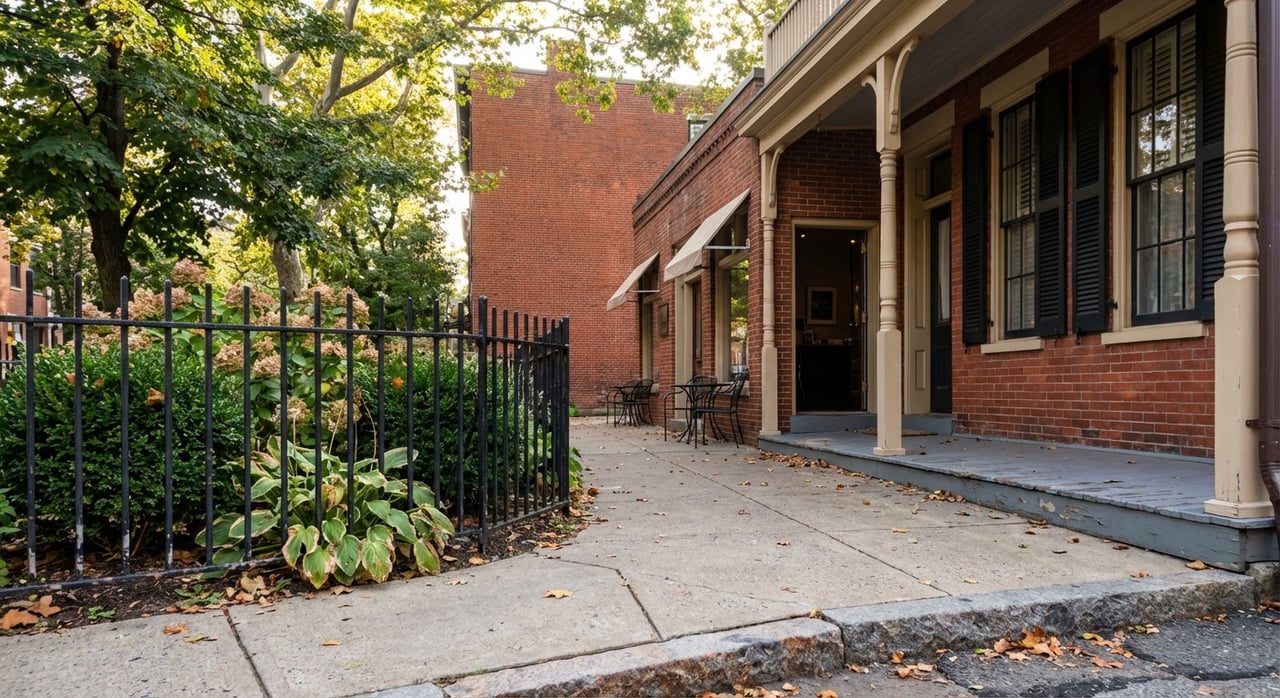
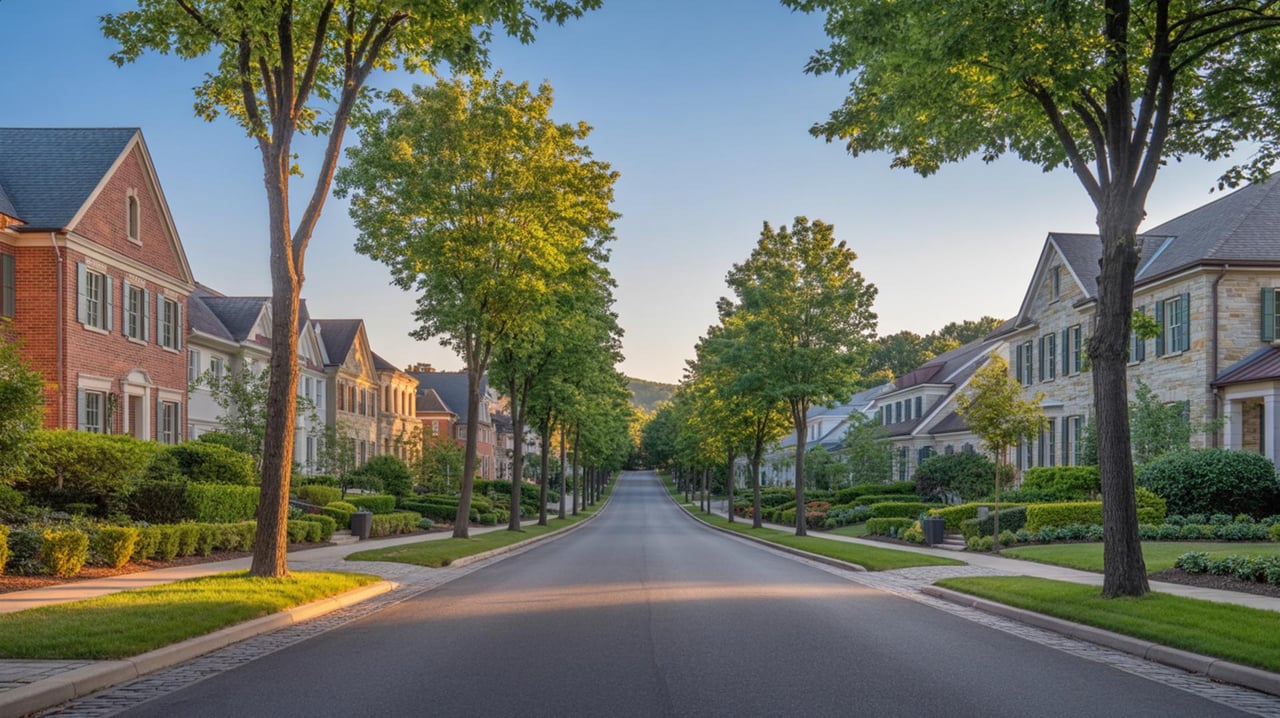
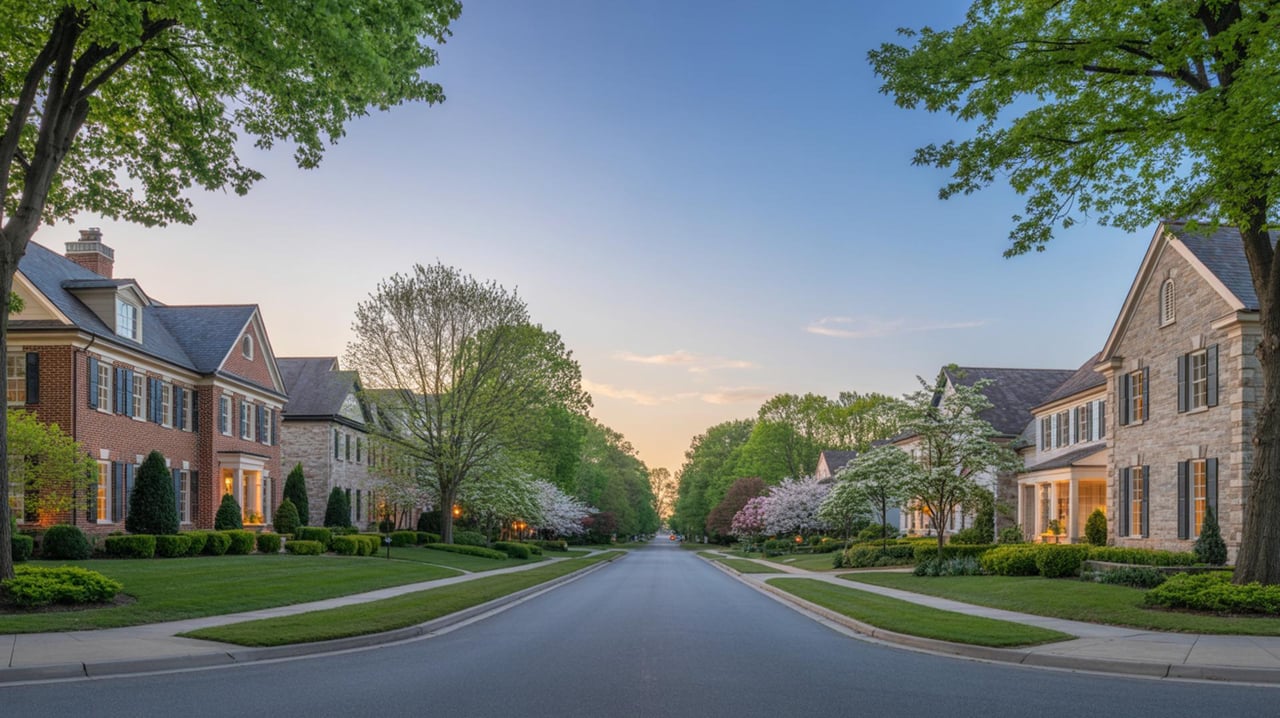
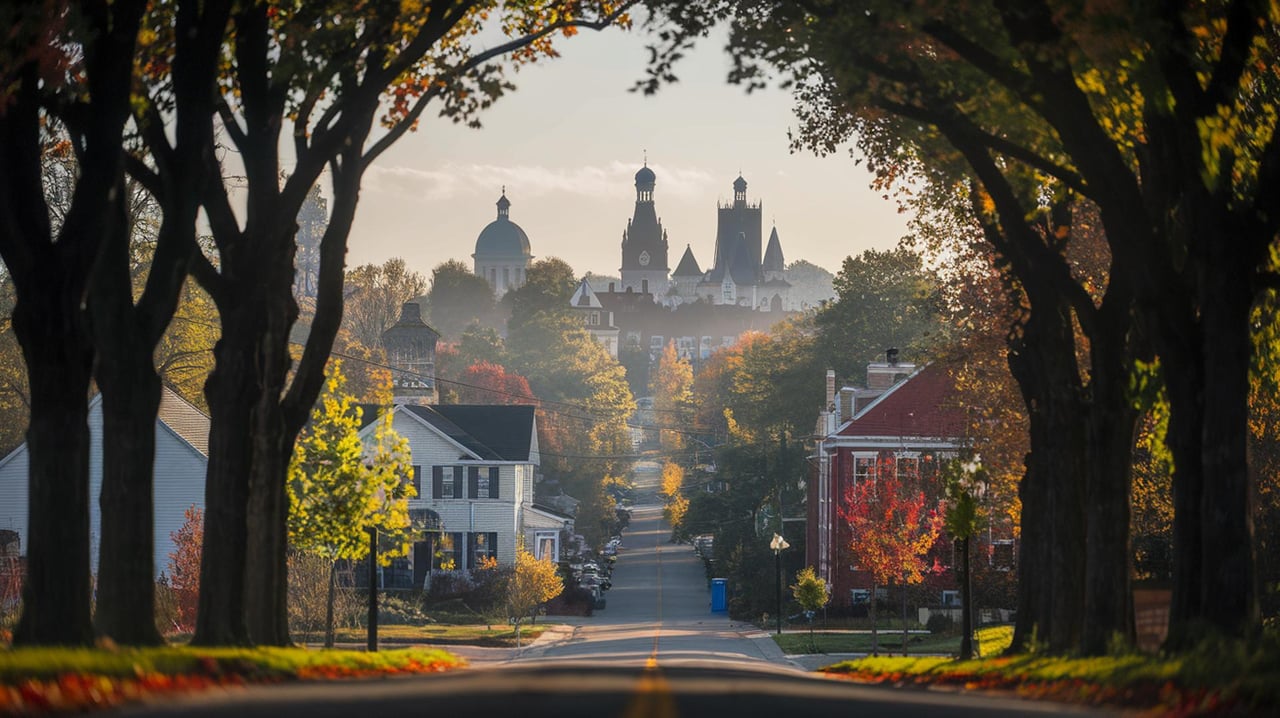
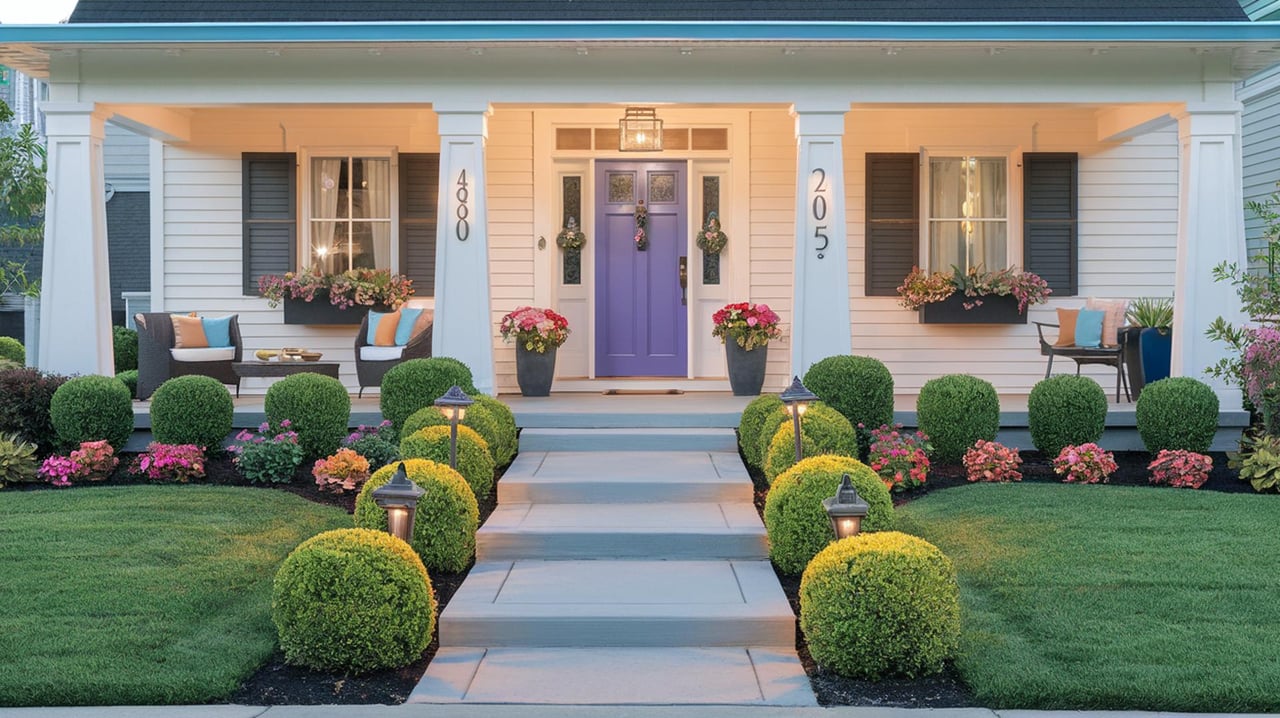
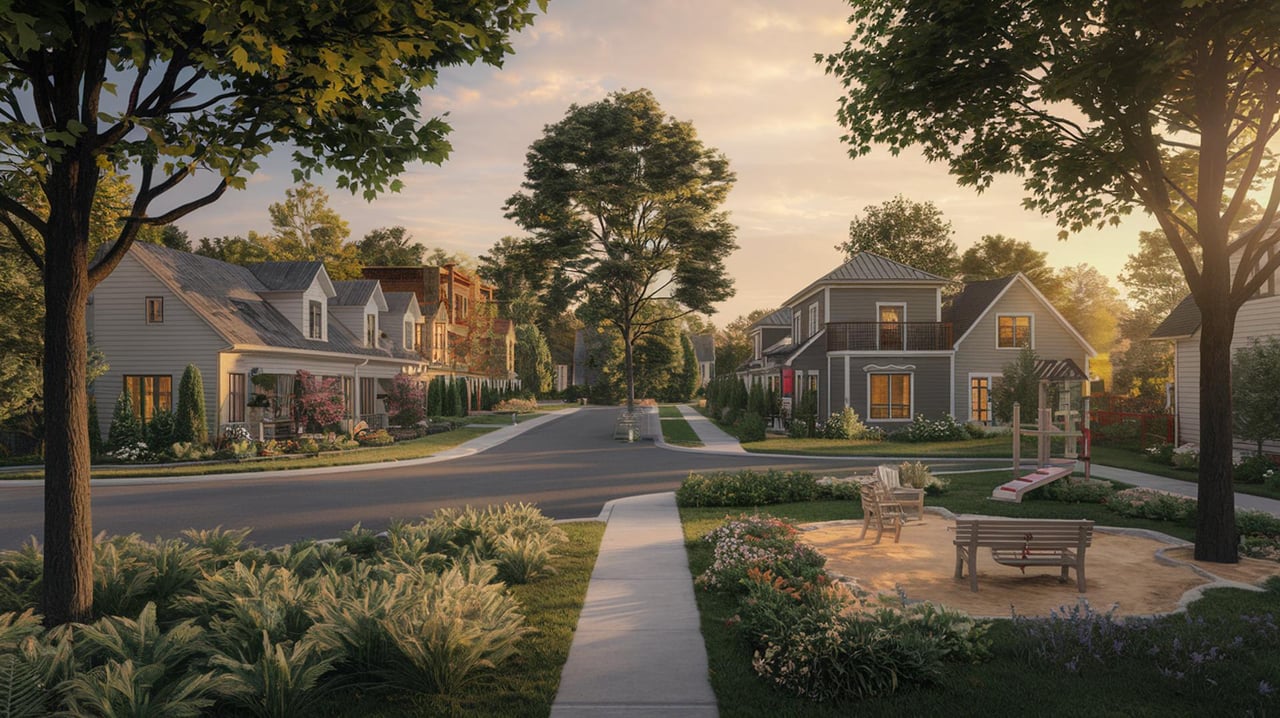
Bowie grew as a suburban, planned city with neighborhoods designed in phases. You’ll see curving streets, cul-de-sacs, sidewalks, and small greens that keep local streets calm and walkable. Many areas connect to parks and trails, while Old Town remains the historic center with its own identity.
Community life is shaped by local institutions. Bowie State University, municipal parks, and neighborhood recreation spaces anchor events and programs throughout the year. These hubs make it simple to plug into activities without traveling far.
Routines from morning to night
Mornings and school runs
Most residents attend Prince George’s County Public Schools. Many planned communities sit near elementary and middle schools, so you may see walking routes, crossing guards, and morning bus stops as part of the daily rhythm. If schools matter to your move, check boundaries and transportation details with the district as part of your research.
Work and commuting
Many neighbors drive to work using nearby state routes and regional highways that connect to Washington, D.C., Annapolis, and Baltimore. Commuting times vary by route and time of day, so it’s smart to test your drive during peak hours. Some residents use bus routes or park-and-ride options to connect with regional transit hubs.
Afternoons and recreation
After school or work, local parks, trails, and HOA amenities get busy. Sidewalks and multiuse paths make it easy to fit in a dog walk or quick jog. Clubhouses, city recreation programs, and youth sports offer structured activities if you want them.
Weekends and events
Weekends often center on parks, community events, and errands. Bowie’s municipal calendars feature seasonal and weekly happenings, and Bowie State University adds cultural programming. Town-center retail areas make it simple to combine a coffee run, a grocery shop, and a casual meal.
Parks, trails, outdoor time
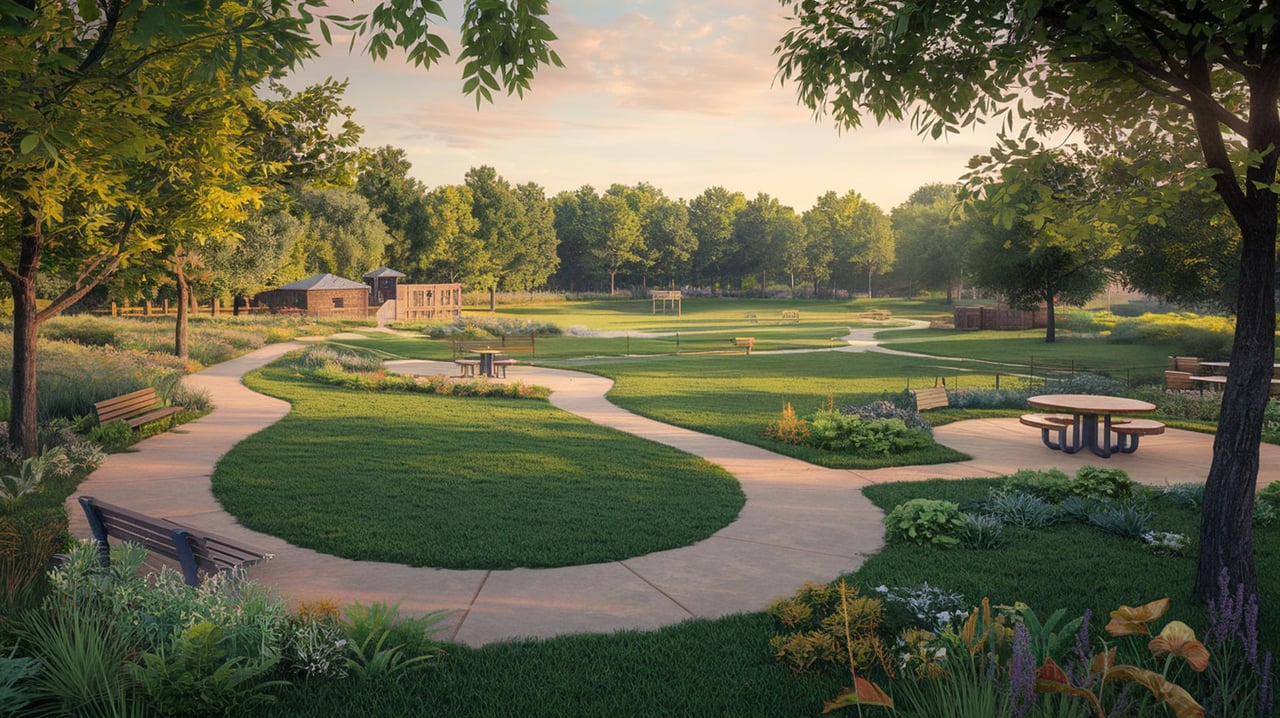
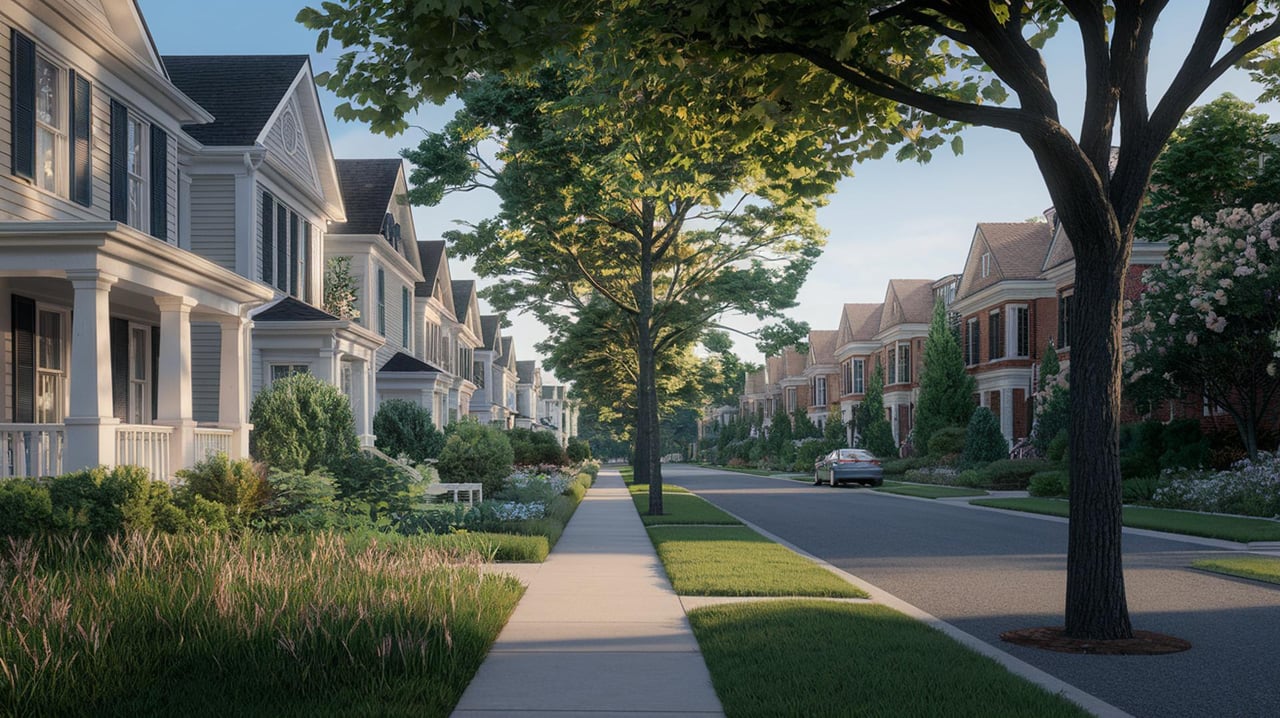
Bowie’s planned communities fold outdoor space into everyday life. Neighborhoods often include pocket greens, nearby playgrounds, and stream-valley greenways. Sidewalks on both sides of the street are common, so you can walk short errands or loop the block with ease.
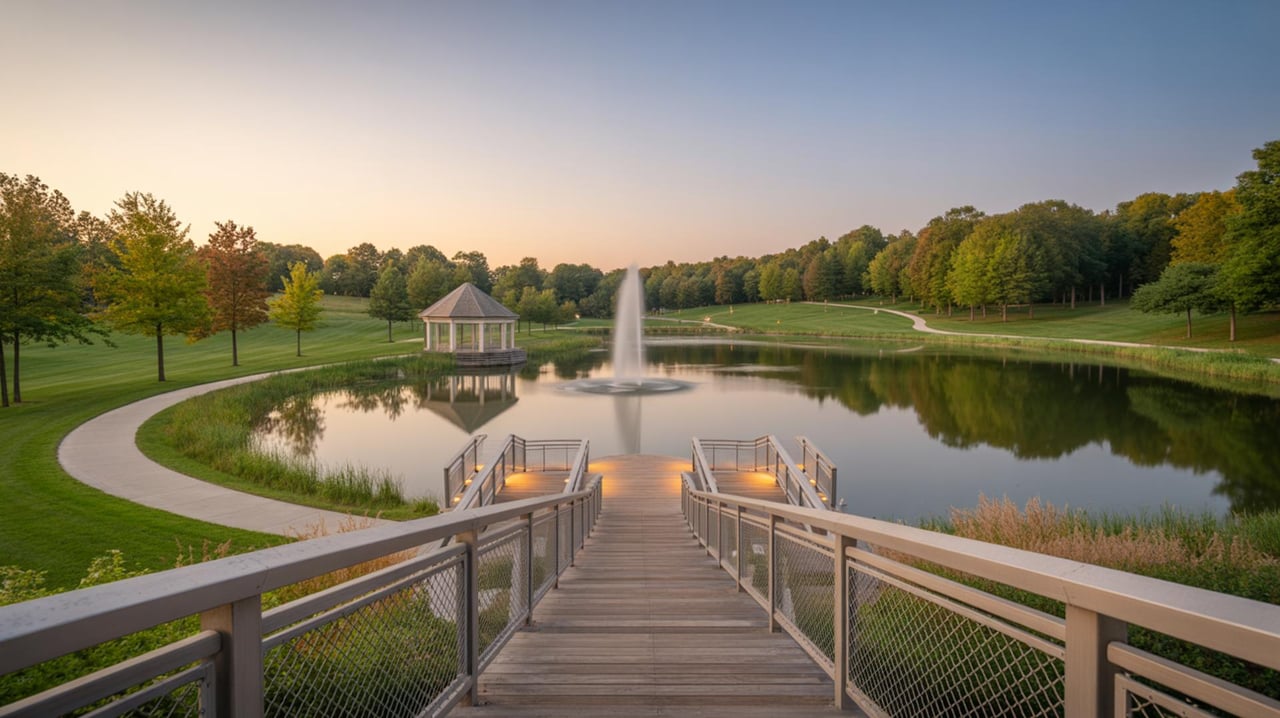
A signature stop is Allen Pond Park, a city park with a lake, trails, playgrounds, and recreation programs. You can expect sports fields, picnic areas, and seasonal events that draw neighbors from different parts of the city. Linear greenways also create connections between neighborhoods for walking and biking.
HOAs, rules, amenities
Many Bowie subdivisions use homeowner associations to maintain common areas and manage shared amenities. Understanding the culture and costs of an HOA helps you avoid surprises later.
Common amenities to expect
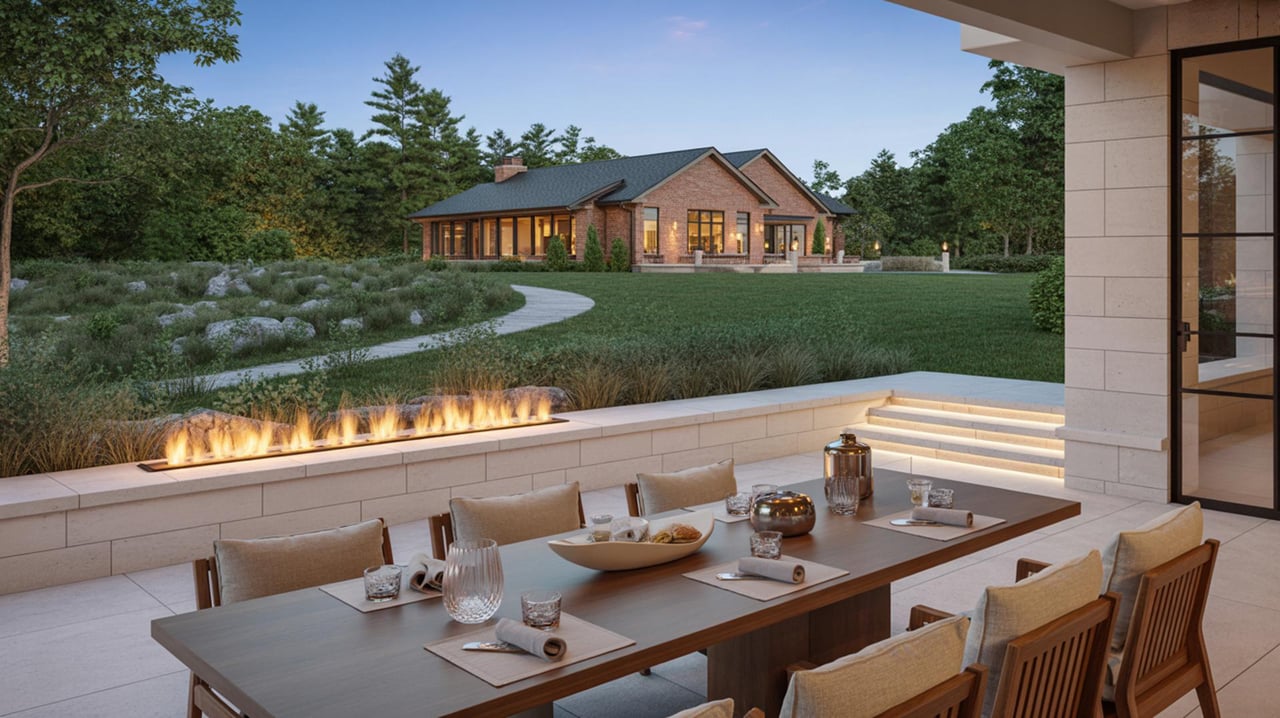
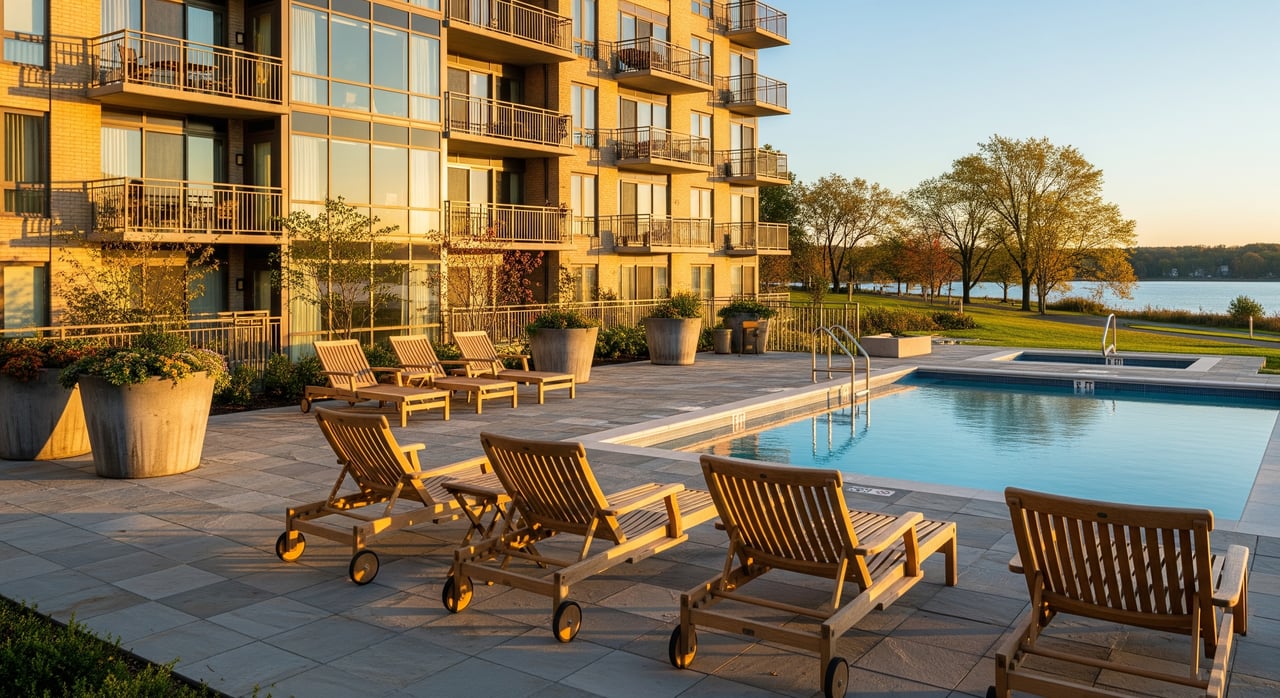
- Outdoor pools and sundecks for warm-weather downtime
- Tennis or pickleball courts, plus playgrounds
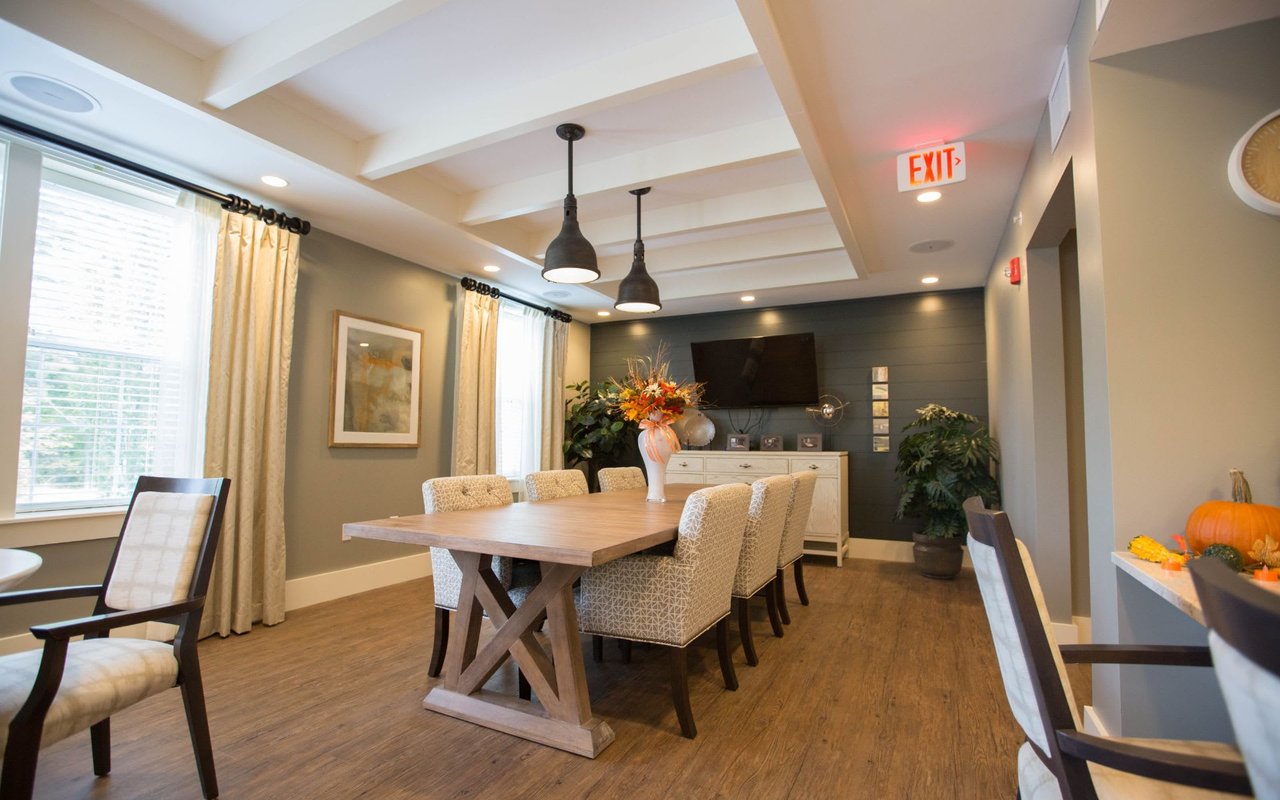
- Clubhouses and meeting rooms for classes or private rentals
- Walking paths and landscaped common areas
- In some communities, lawn care for common spaces or snow removal in shared areas
Rules you may see
- Architectural review for exterior paint, fences, decks, and additions
- Use rules for short-term rentals, exterior storage, and parking
- Pet guidelines, including leash and cleanup requirements
Buyer steps before purchase
- Request and read the CC&Rs, bylaws, and rules in full.
- Review regular dues, reserve policies, and any recent or planned special assessments.
- Ask about enforcement history, architectural-approval timelines, and how quickly management responds to owner requests.
- For resales, plan for HOA disclosure packets that can affect your closing timeline.
Homes and lot patterns
You’ll find a range of home types and eras in Bowie’s planned communities. Each carries daily-life tradeoffs worth weighing.
Single-level and split-level
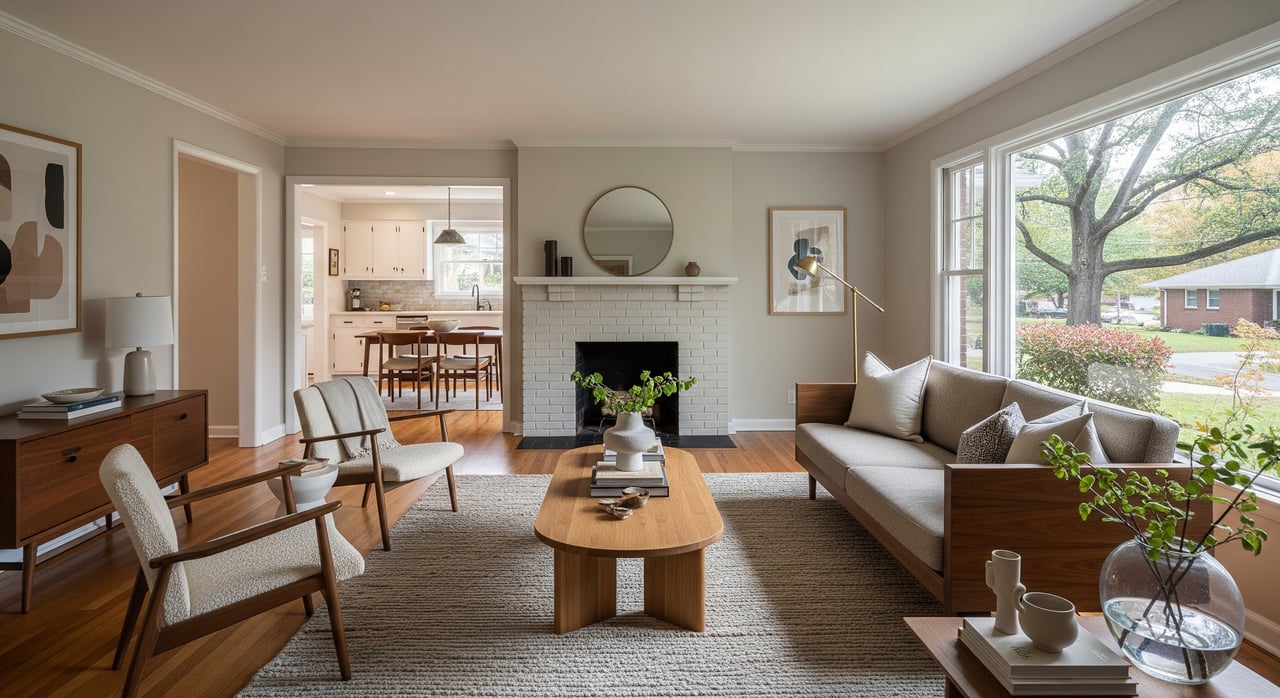
Midcentury ranch and split-level homes offer flexible layouts. Single-level living can reduce stairs for everyday convenience, and split-levels create separation for living, sleeping, and work-from-home spaces. These homes often sit on modest suburban lots that still support outdoor living.
Two-story and newer homes
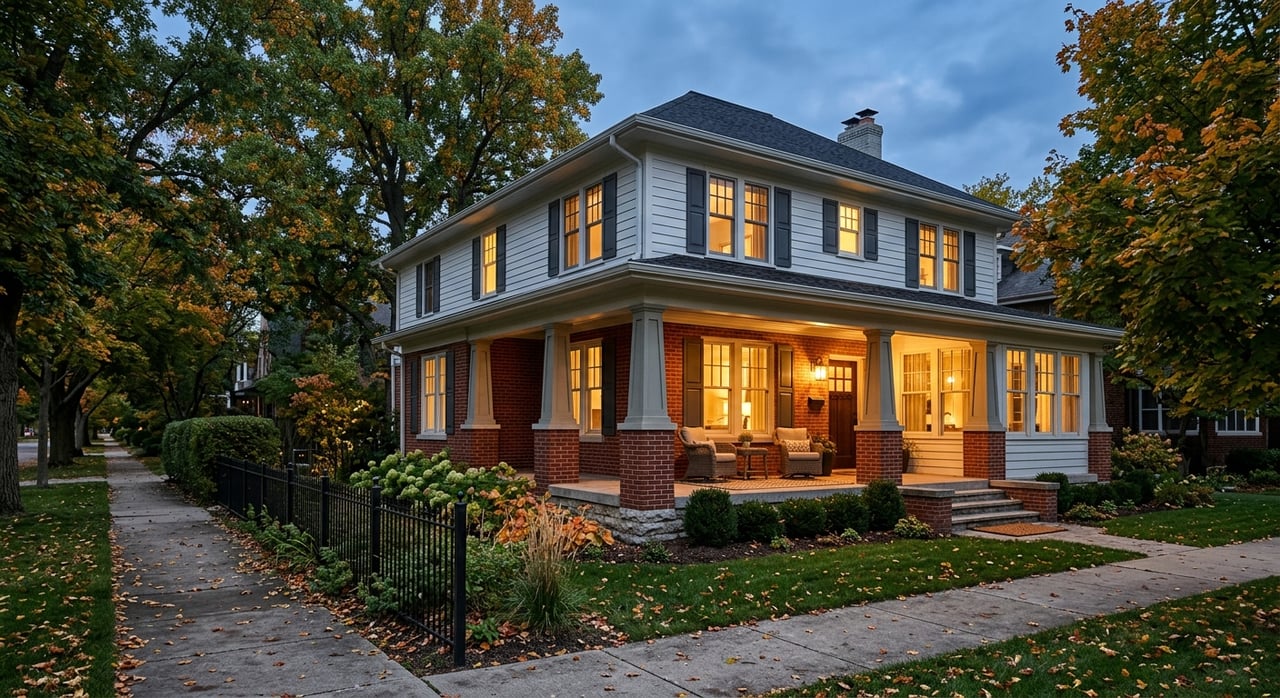
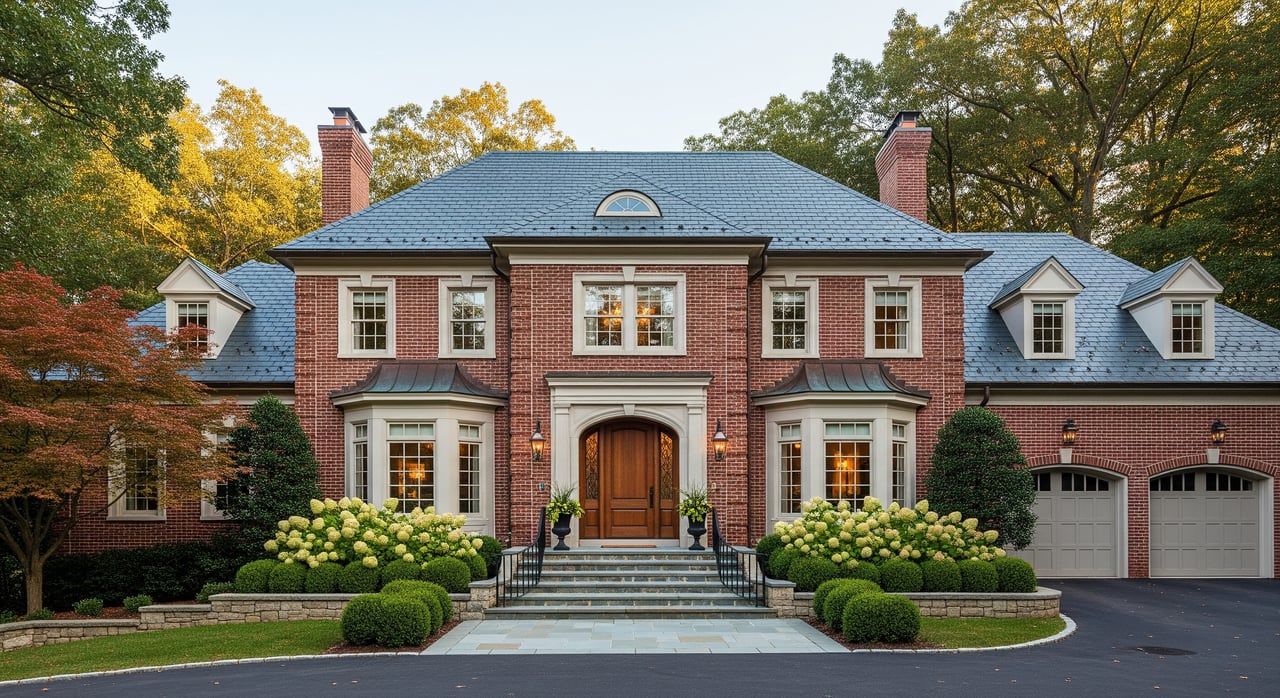
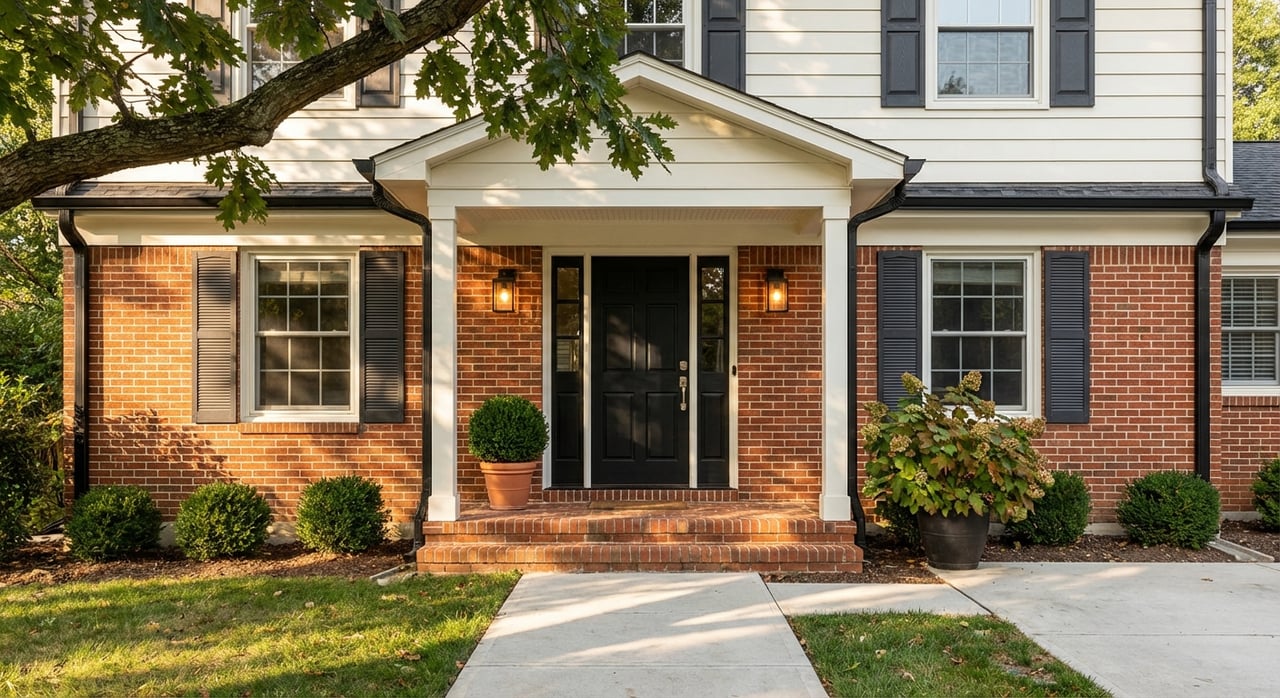
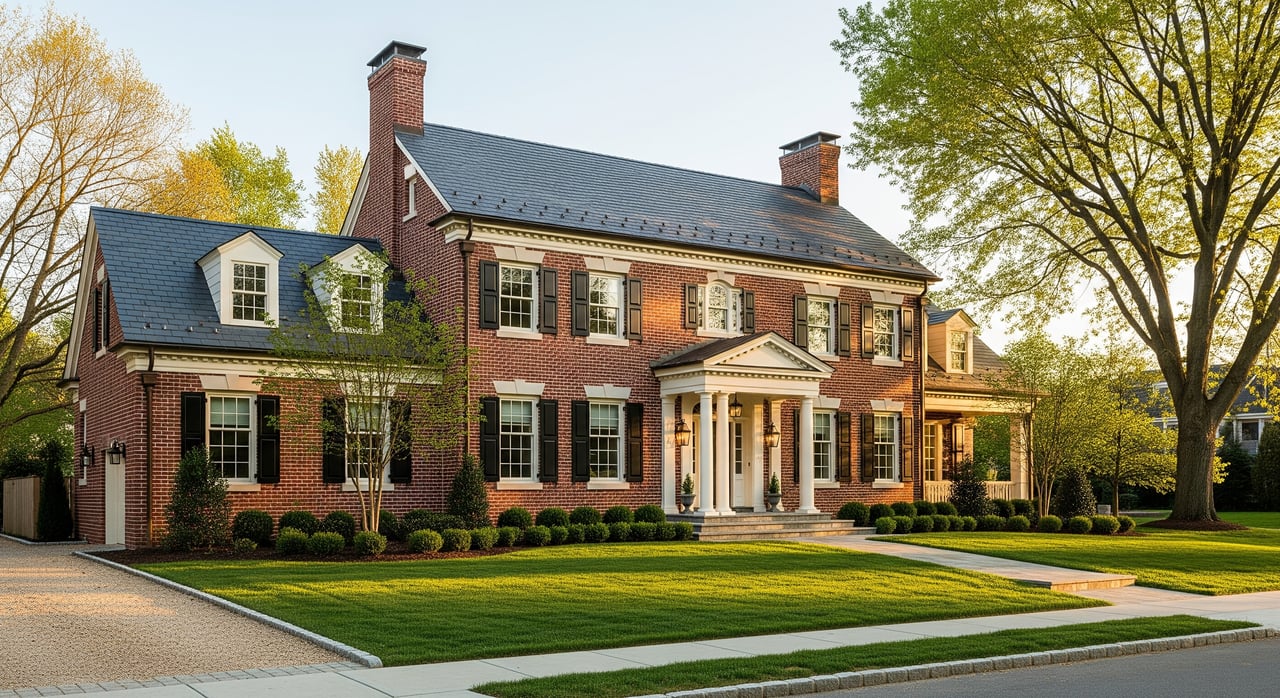
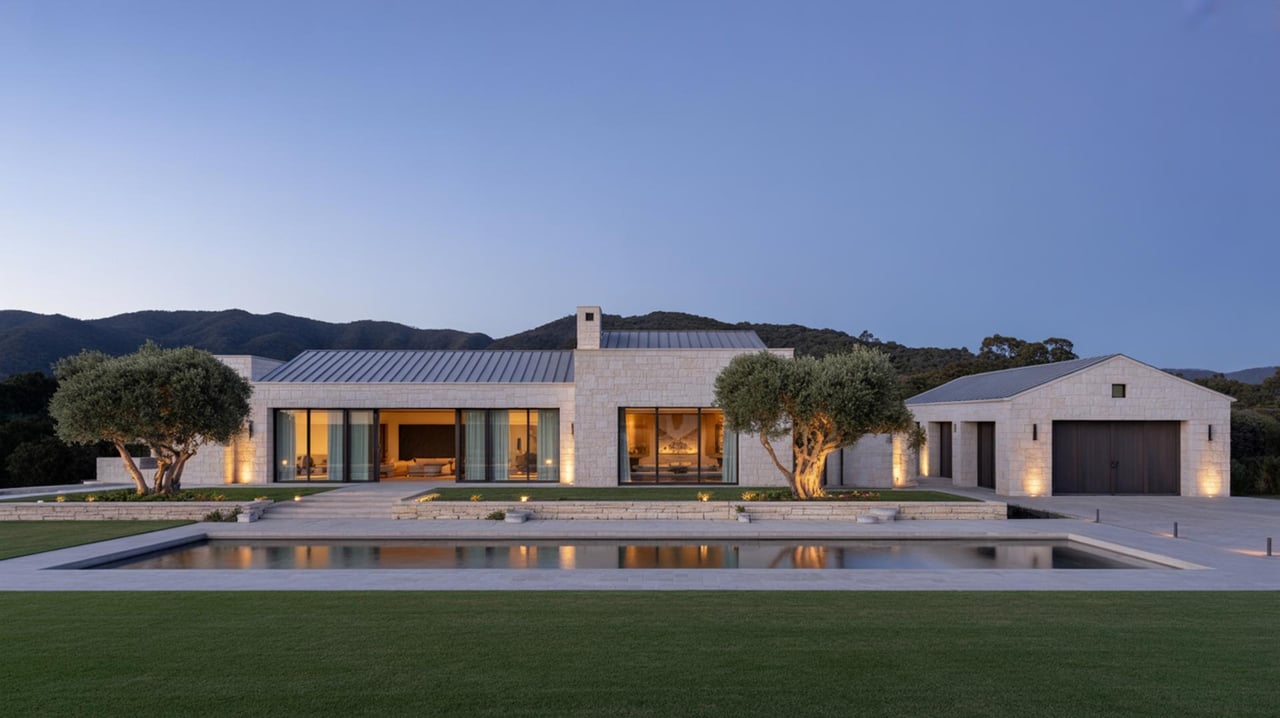
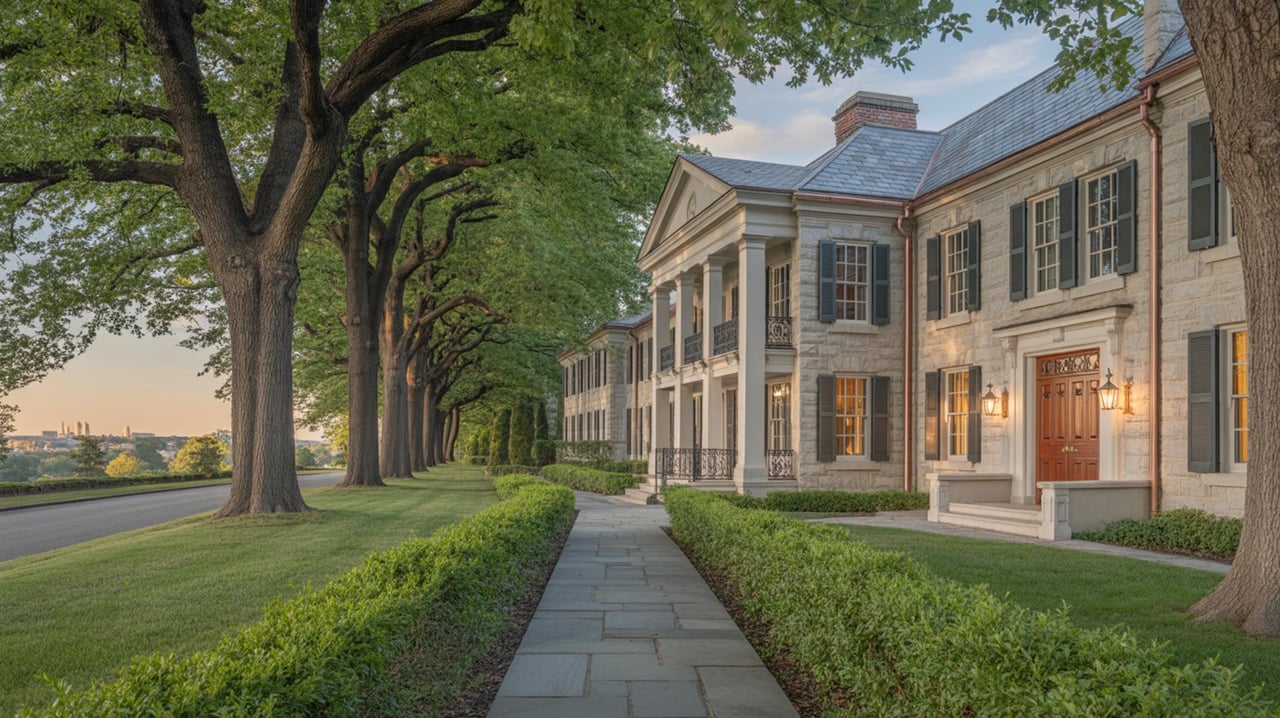
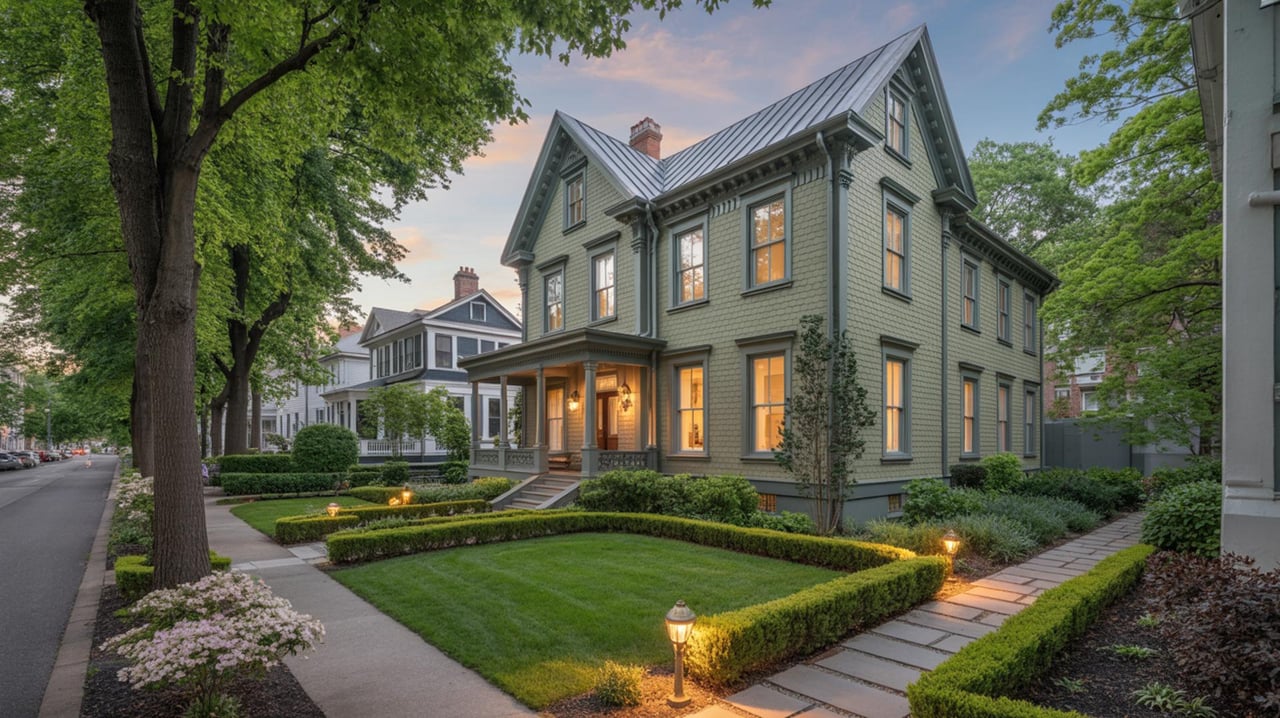
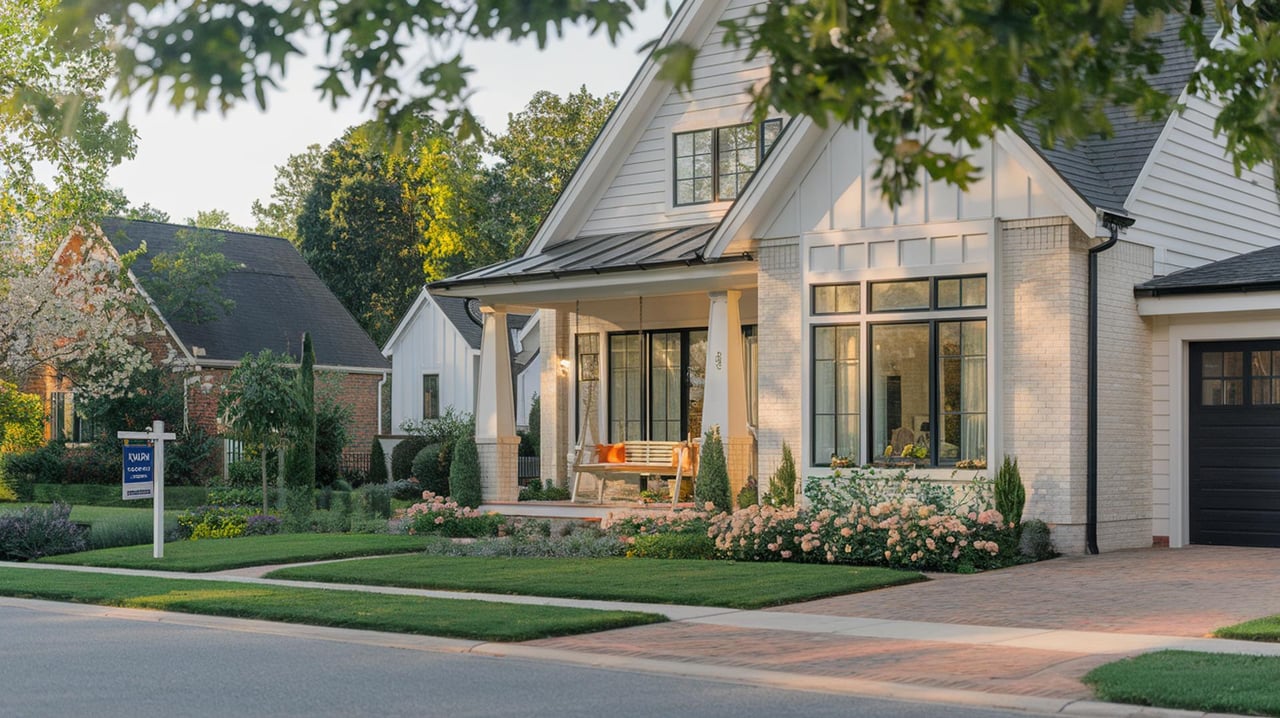
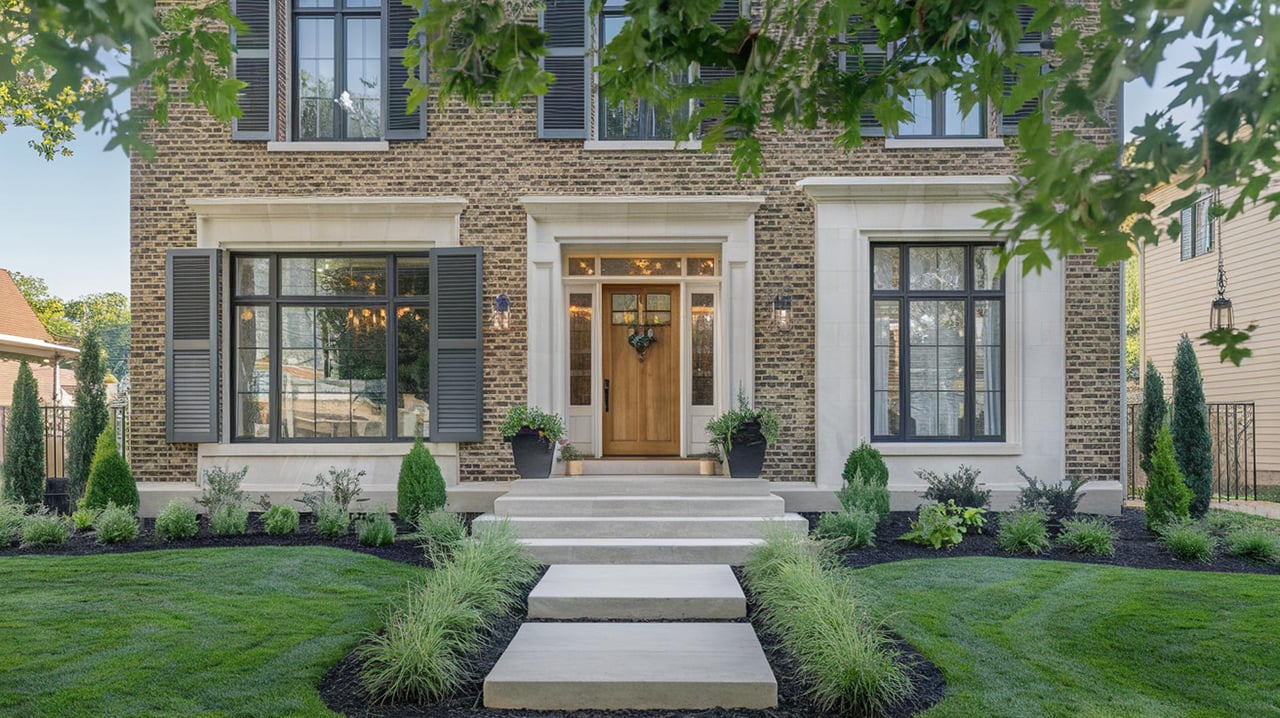
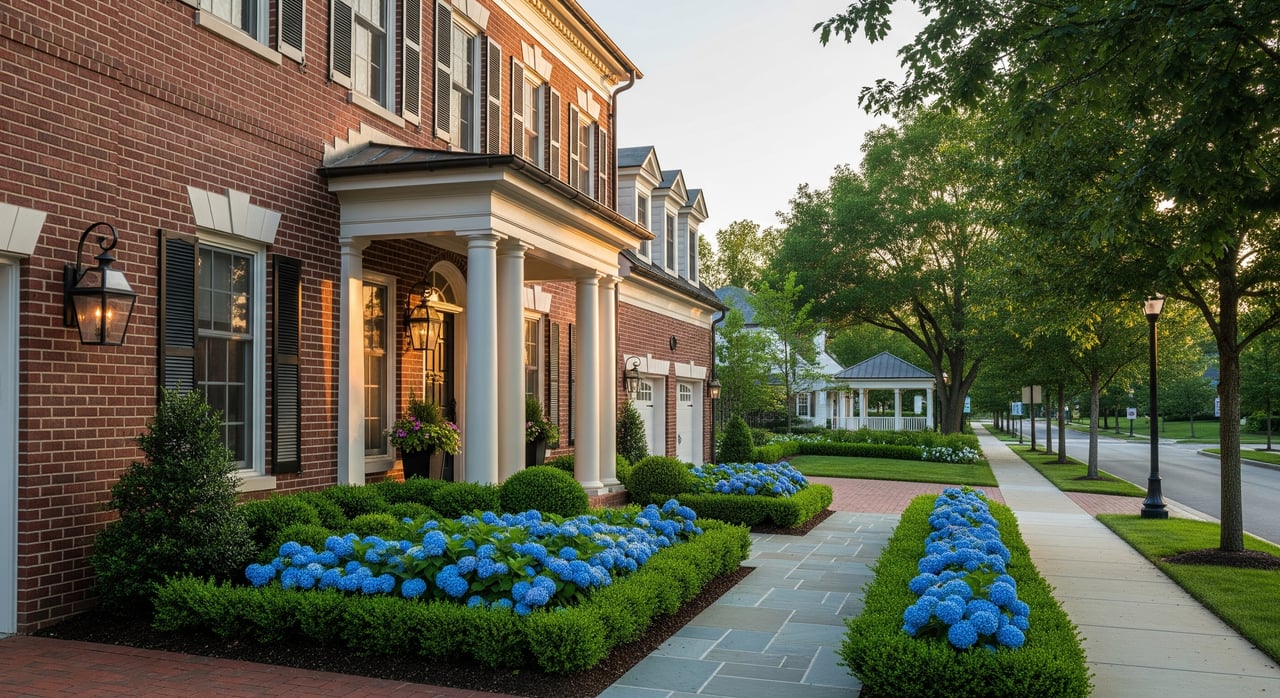
Colonial-style and newer two-story homes are common and deliver more traditional curb appeal. Later subdivisions often include larger floorplans and attached garages. Newer builds typically fall under HOAs with amenity packages and architectural guidelines.
Townhouses and duplexes
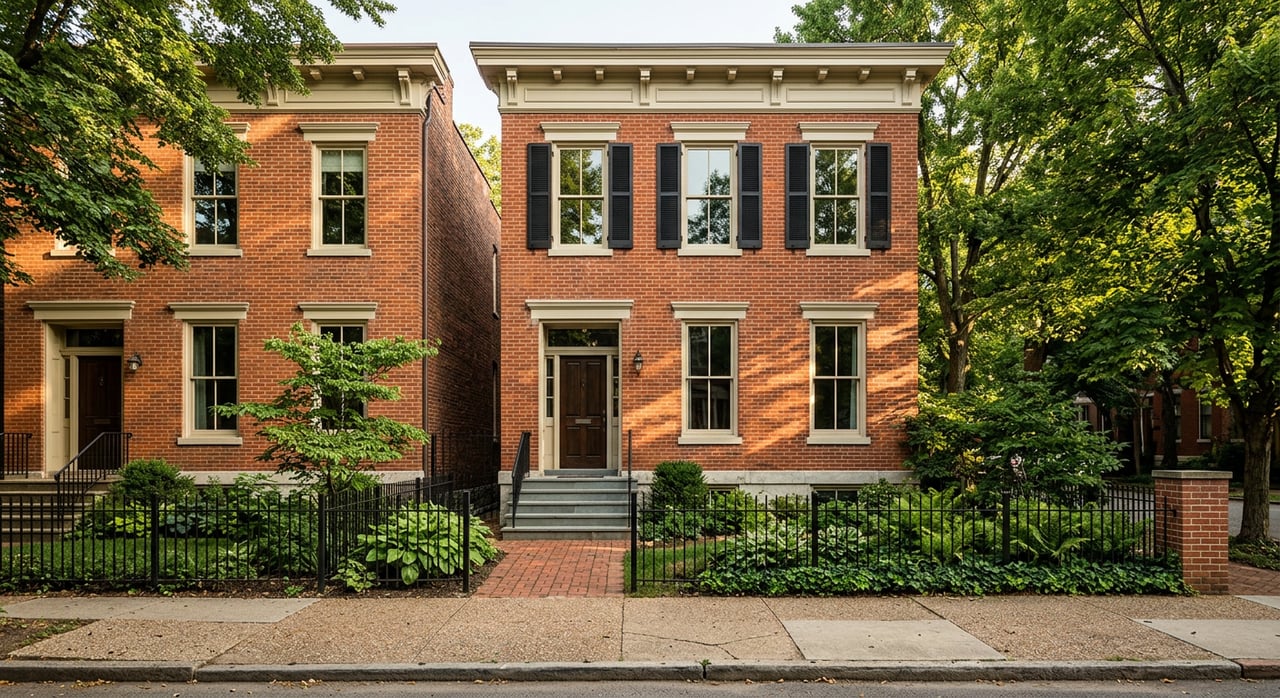
Townhouses cluster near commercial corridors and on smaller lots. They often mean lower exterior maintenance and a shorter hop to shops and services. If you want a simpler upkeep routine, these can be a good fit.
What lot patterns mean
Most single-family homes include front and back yards with driveway parking and attached garages. Curving streets and cul-de-sacs limit through traffic, which can reduce noise on interior blocks. Tree lines, rear fences, or open space buffers often sit between homes and busier roads to increase privacy.
Errands, dining, services
Daily errands are straightforward. Town-center and corridor retail clusters provide groceries, pharmacies, and restaurants within a short drive of most neighborhoods. Convenience stores and services sit along main arterials, so you can combine fuel, a quick snack, and dry cleaning in one outing.
Health, civic, and cultural services are woven into the area. Primary-care clinics, dental offices, and urgent-care options are available in and around the city, while larger hospitals sit in nearby jurisdictions. Libraries, municipal offices, concerts, festivals, and farmers markets create reliable social touchpoints. Bowie State University adds lectures, performances, and community programs to the local mix.
For families with young children, you’ll find daycare and enrichment options along with youth sports through city and neighborhood programs. Many residents plan afternoons around practices, classes, and park time.
Getting around Bowie
Auto access is a core feature of Bowie’s planned communities. Local roads feed into regional highways and state routes, making it practical to reach job centers across the region. Drive times change with traffic conditions, so planning around peak windows is common.
Transit options include county and regional buses and park-and-ride lots for some commuters. You may need a transfer or a short drive to a major transit hub to reach regional rail or Metrorail. For local trips, sidewalks and multiuse trails support walking and biking to parks, schools, and nearby shops.
Parking is typically easy. Most homes provide garage and driveway spaces, and some HOAs set rules for on-street guest parking. If you expect frequent visitors, review those guidelines ahead of time.
Quick fit checklist
Use this short list to test how a specific Bowie neighborhood matches your routine:
- Walk the nearest park and playground on a weekend afternoon.
- Drive your commute during the morning rush and again in the evening.
- Map your grocery, pharmacy, and primary-care clinic, then time the loop.
- Ask the HOA for CC&Rs, dues, reserves, and approval timelines.
- Note sidewalks, crosswalks, and trail connections you will actually use.
- Identify school transportation options with the district if applicable.
- Stand on the block at different times to gauge traffic and activity.
Ready to explore
If you want a practical, everyday view of Bowie’s planned communities, walk a few neighborhoods with a clear checklist and questions ready for the HOA or management company. When you are ready to compare homes, amenities, and resale considerations, connect with a local broker who knows how Bowie's patterns shape value and daily life. For hands-on guidance and a plan tailored to your routine, reach out to David Pridgen.
FAQs
What defines Bowie’s planned communities for homebuyers?
- Curving streets, cul-de-sacs, sidewalks, and integrated parks shape a calm, neighborhood-based feel with convenient access to retail corridors and city recreation.
How strict are HOAs in Bowie’s planned neighborhoods?
- Most HOAs use architectural review and rules for exterior changes, parking, and use; ask for CC&Rs, bylaws, dues, and enforcement history to understand day-to-day impact.
How walkable are Bowie neighborhoods to parks and shops?
- Many areas include sidewalks and path connections to nearby parks and greenways; shops and services are usually a short drive along main arterials or town-center areas.
What commute options do Bowie residents use for DC or Baltimore?
- Most drive via regional highways and state routes; some use county or regional buses and park-and-ride lots to connect with major transit hubs for rail or Metrorail.
Which home styles are common in Bowie’s planned areas?
- You’ll see ranch and split-level homes, colonial-style two-story houses, newer single-family builds with attached garages, and townhouse clusters near commercial corridors.