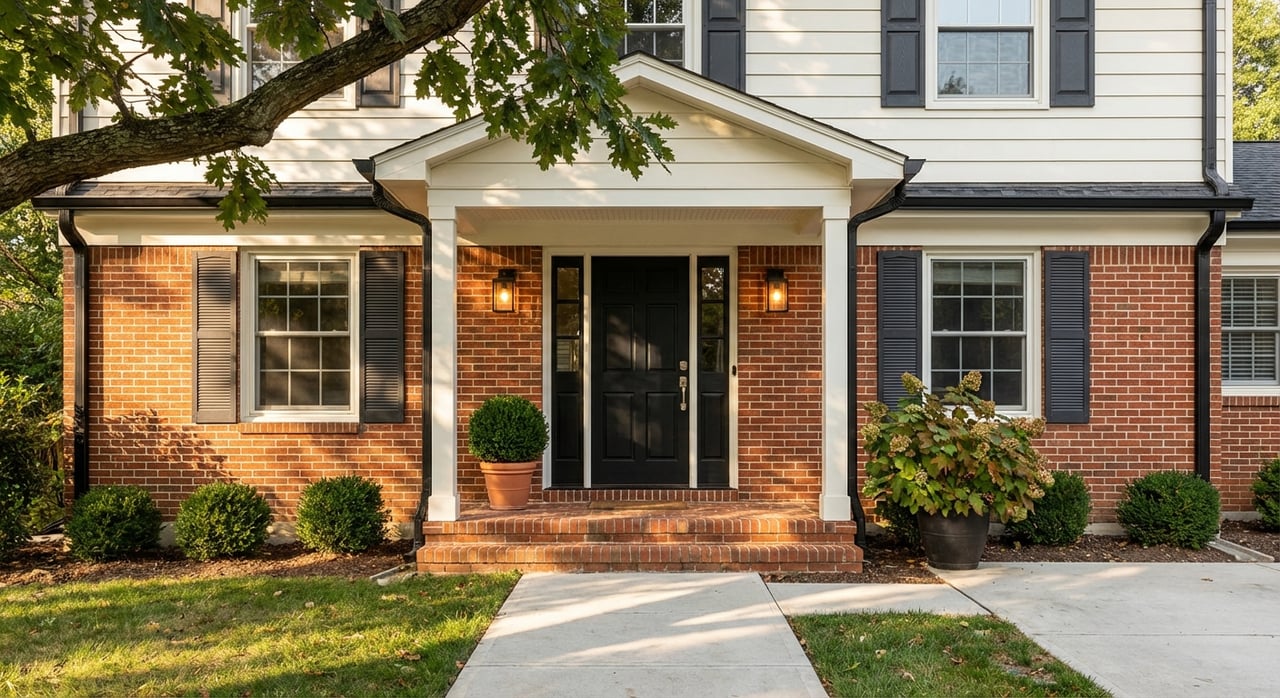
Outgrowing your current home in Bowie but want to stay close to friends, schools, and your favorite commute routes? You are not alone. Many Bowie owners in classic Belair-era neighborhoods are eyeing more space or a different layout while staying local. In this guide, you will learn how to price, prep, and time a move-up sale so you can sell well and buy smart with fewer surprises. Let’s dive in.
Bowie market snapshot for move-up sellers
Bowie sits in the larger DC-metro market, so activity and pricing can shift across seasons and neighborhoods. Recent snapshots from major portals vary, showing citywide medians in a broad range and days on market spanning about one to two months. Use these as general context, not as price targets.
Why the spread? Different sources measure different things (list prices vs. sale prices) and use different reporting windows. What matters most for you is a hyper-local CMA built from recent solds in your specific Belair sub-area, style, and price band. Your agent’s MLS data will be your final guide.
New construction also shapes buyer expectations. Mixed-use and townhouse projects around the area introduce modern finishes and energy-efficient systems. That means older homes often compete best when they look move-in ready, even if you focus on smart, modest updates rather than big renovations.
Prep your Belair-era home the smart way
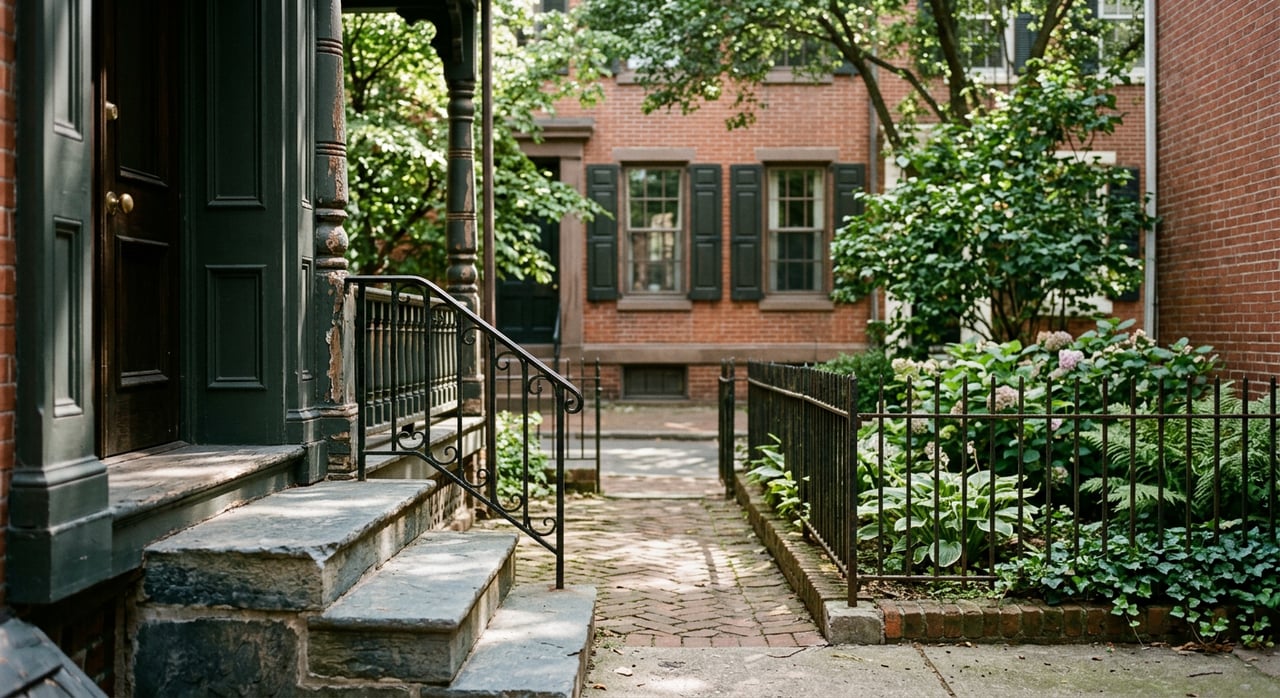
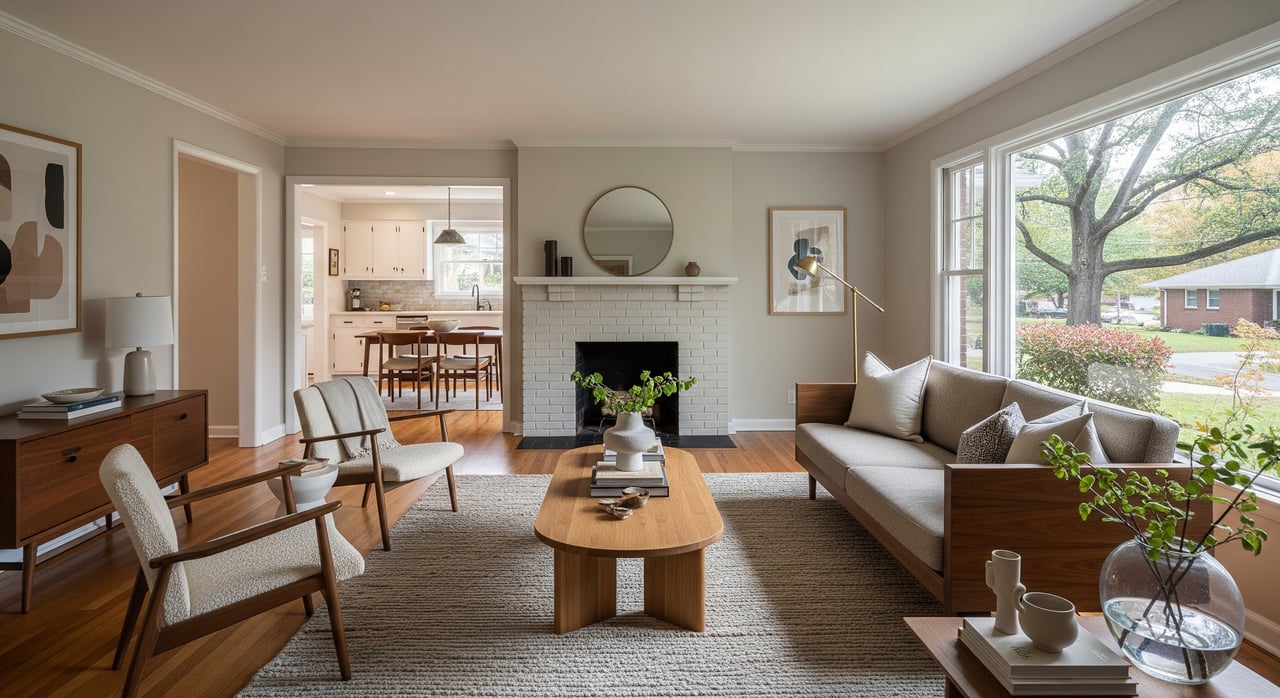
Belair-era homes were largely built in the late 1950s and 1960s. Many still carry original bones and sometimes older systems. A few targeted checks and updates can help you avoid renegotiations and boost buyer confidence.
Safety and systems basics
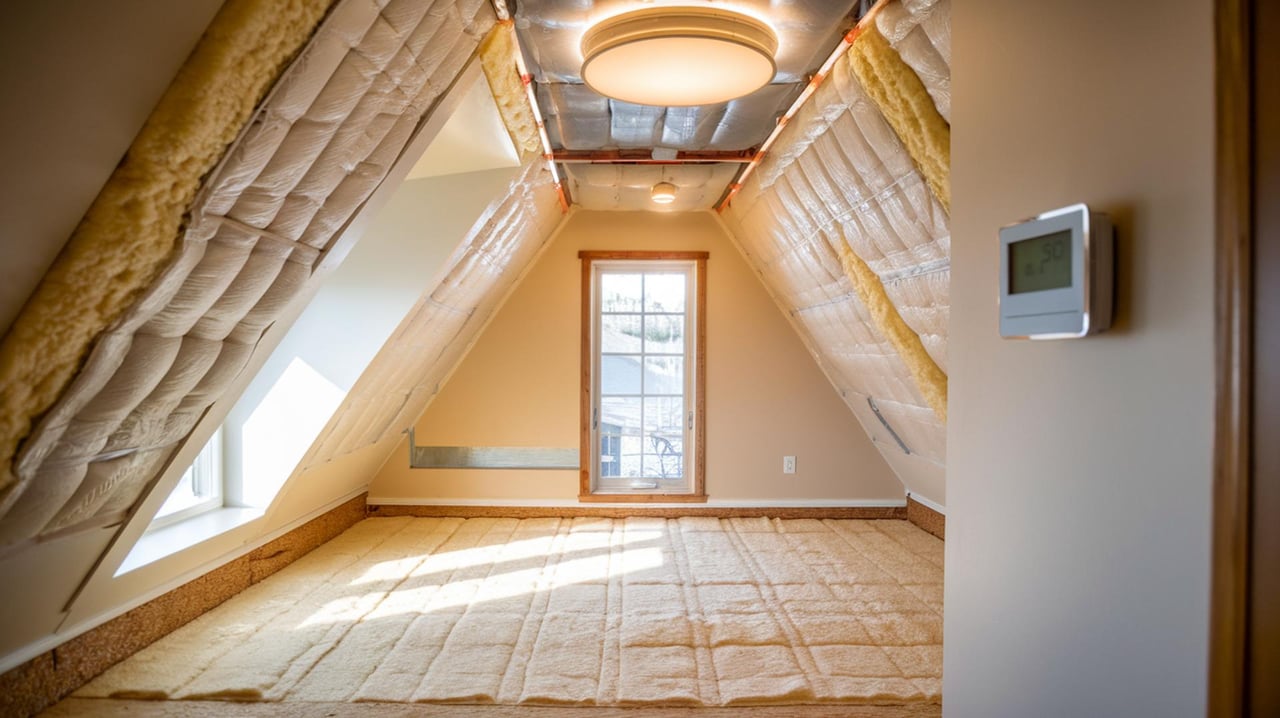
Start with the essentials. Confirm smoke and carbon monoxide detectors, service your HVAC, and schedule a pre-listing inspection to pinpoint likely repair requests. A local inspection can flag common items in older houses like roof age, electrical panels, single-pane windows, and grading or moisture issues. If you want a refresher on what inspectors see most often, read about what a Maryland pre-listing inspection covers.
Termite and wood-destroying insect checks are common in Maryland loans. Plan for a WDI report so you are not scrambling during buyer inspections.
Lead and radon readiness
If your home was built before 1978, treat it as likely to contain lead-based paint. Contractors must follow federal Renovation, Repair and Painting rules for lead-safe work, and sellers should be ready with lead disclosures. Pull any existing lead tests you have and keep them with your listing documents.
Radon levels can be elevated in parts of Maryland, and many buyers request a test. Consider testing before listing or be prepared to negotiate a mitigation credit if results exceed the EPA action level. Budget for typical radon testing and mitigation costs, which often range from a few hundred dollars for testing to under a few thousand for mitigation.
Quick cosmetic wins that sell
Buyers in this region respond to clean, updated, and flexible spaces. Focus first on low-to-moderate cost projects with broad appeal:
- Fresh interior paint and a deep clean. These make photos pop and signal a well-cared-for home.
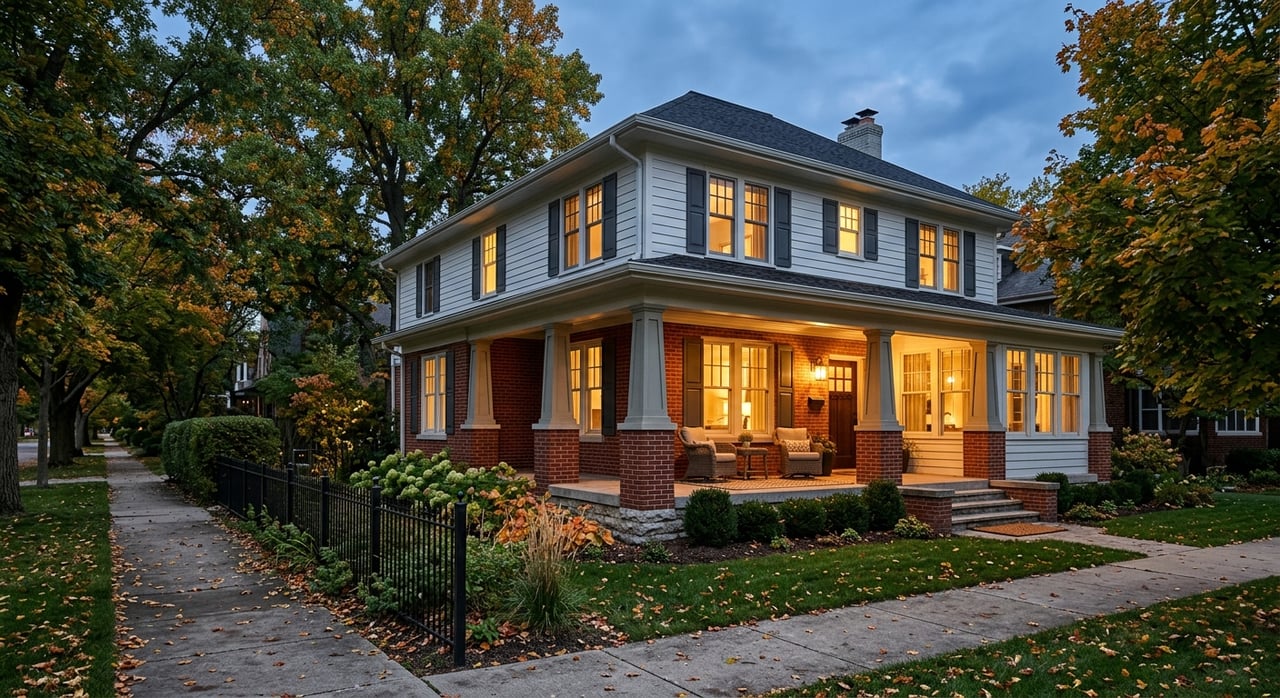
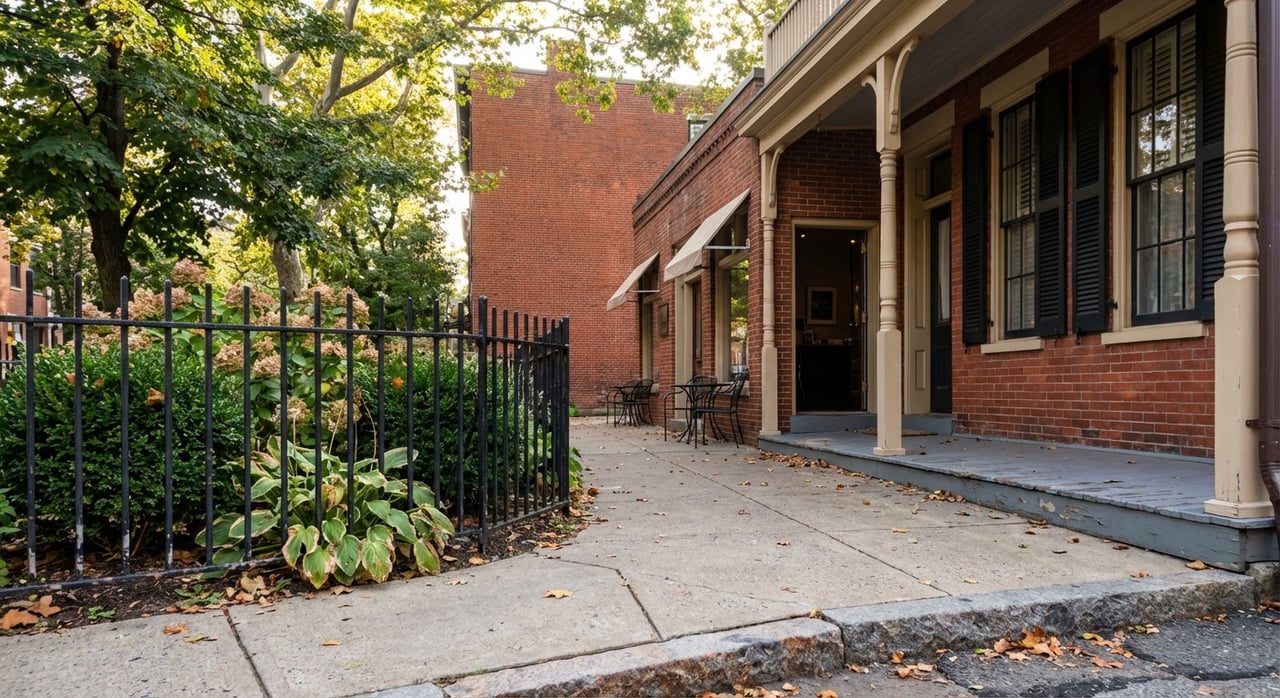
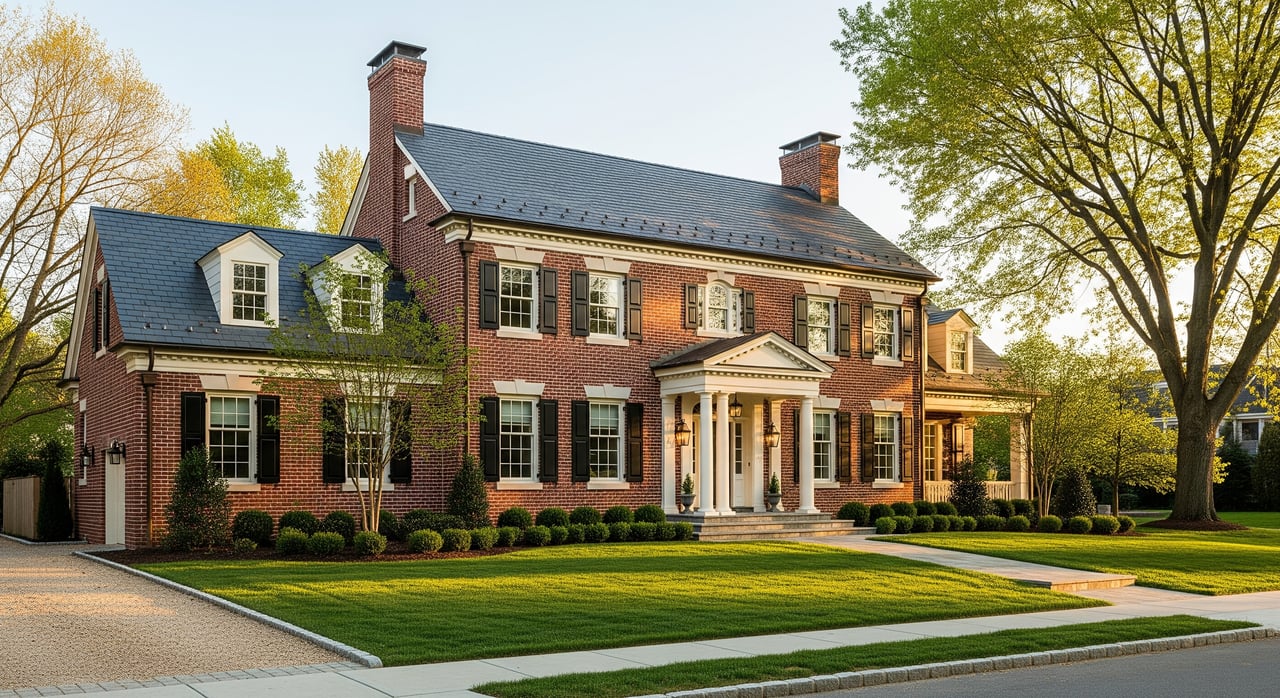
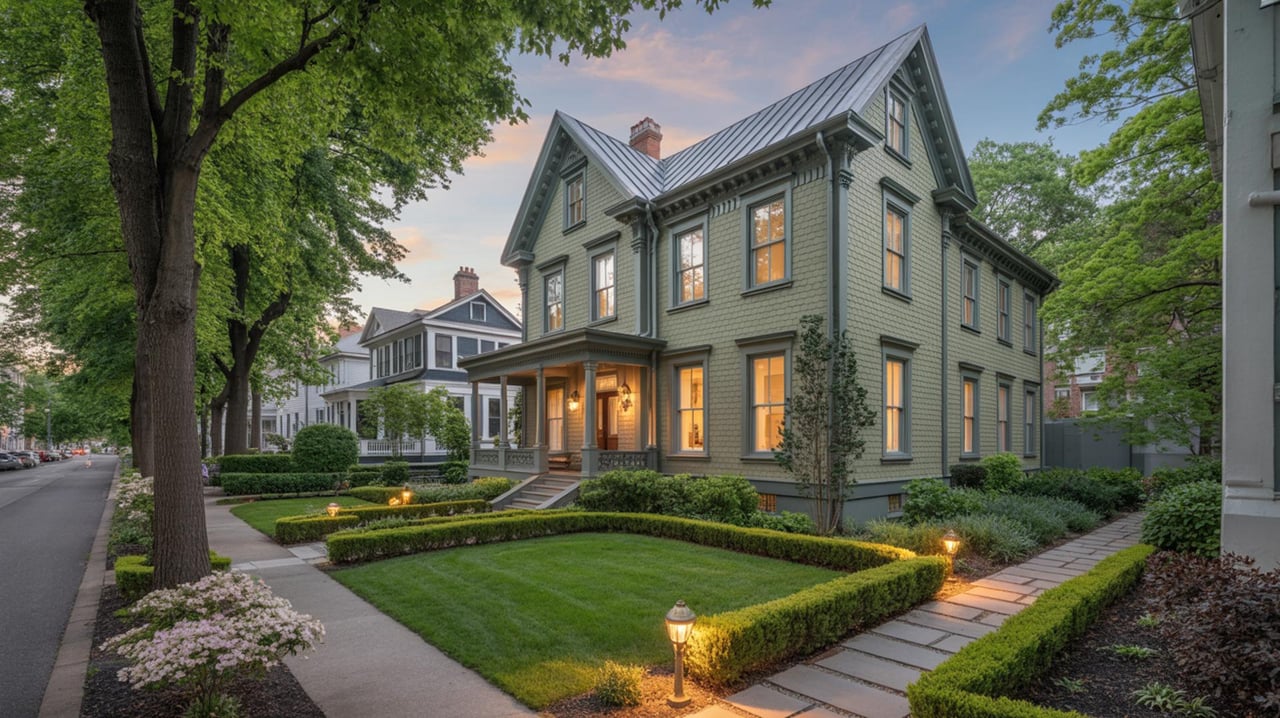
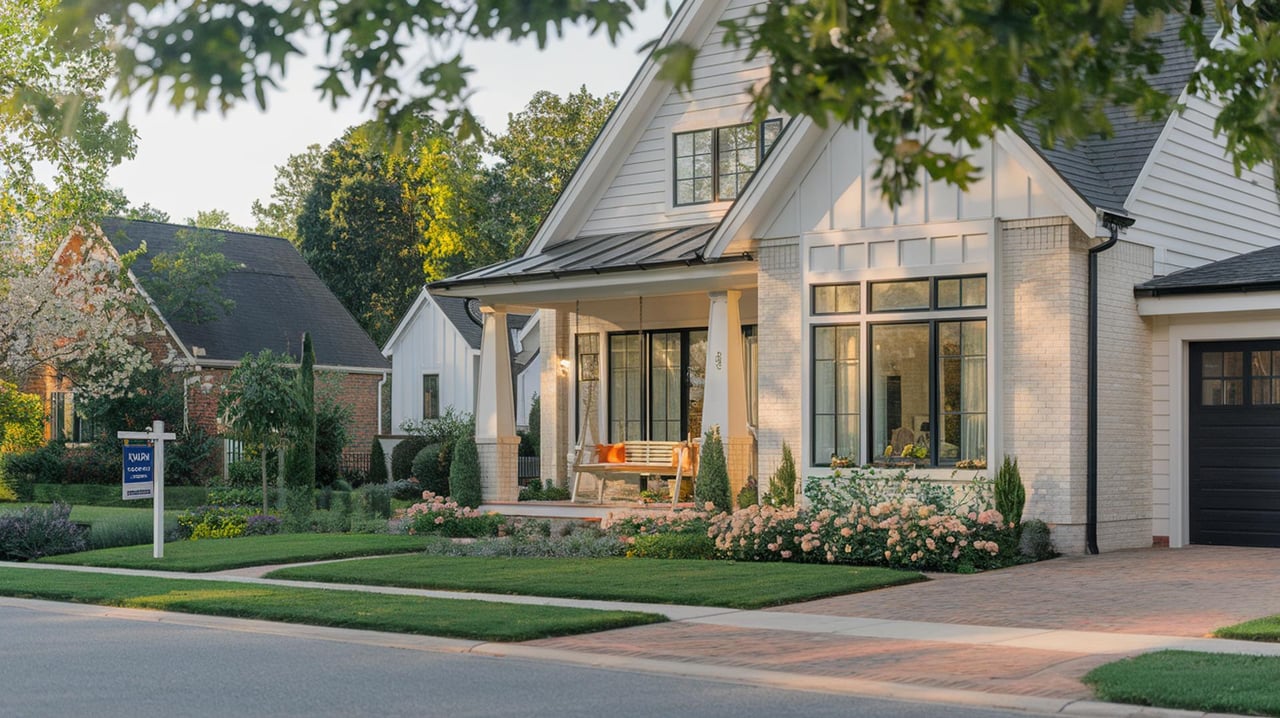
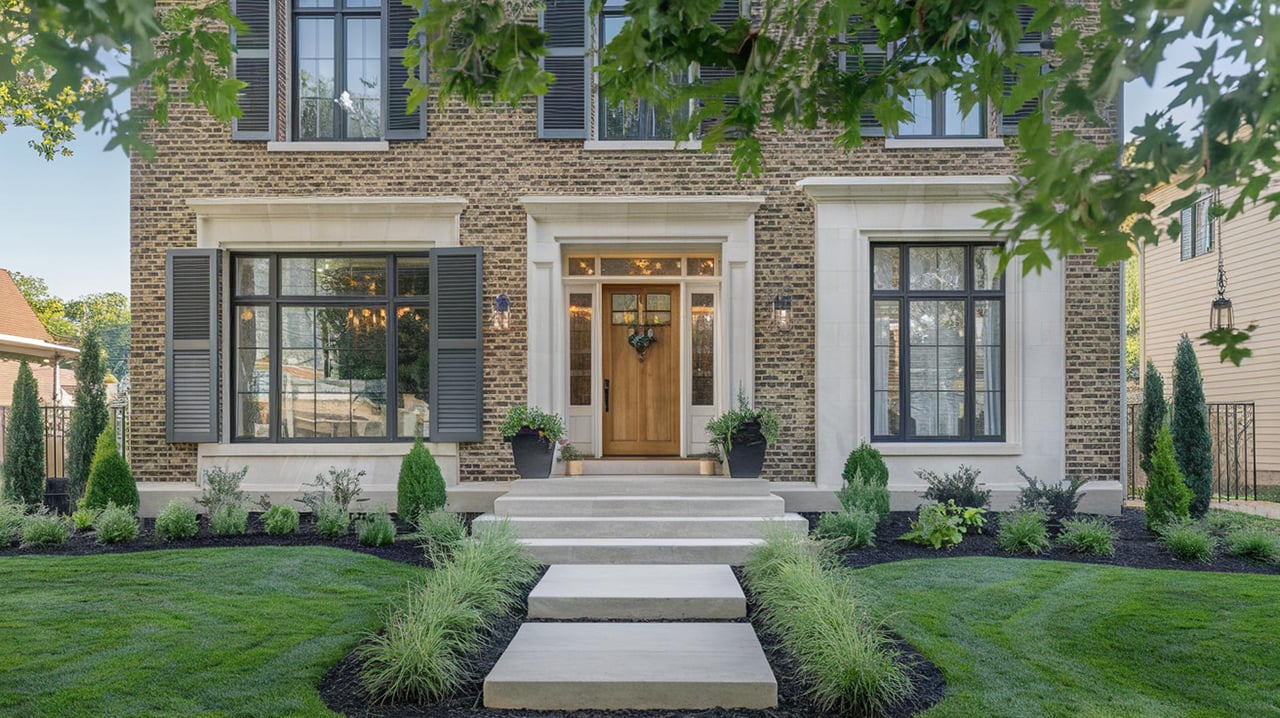
- Curb appeal refresh. Tidy landscaping, a crisp front door, and clear pathways help you win the showing before buyers step inside. Industry reports consistently show exterior improvements deliver solid payback.
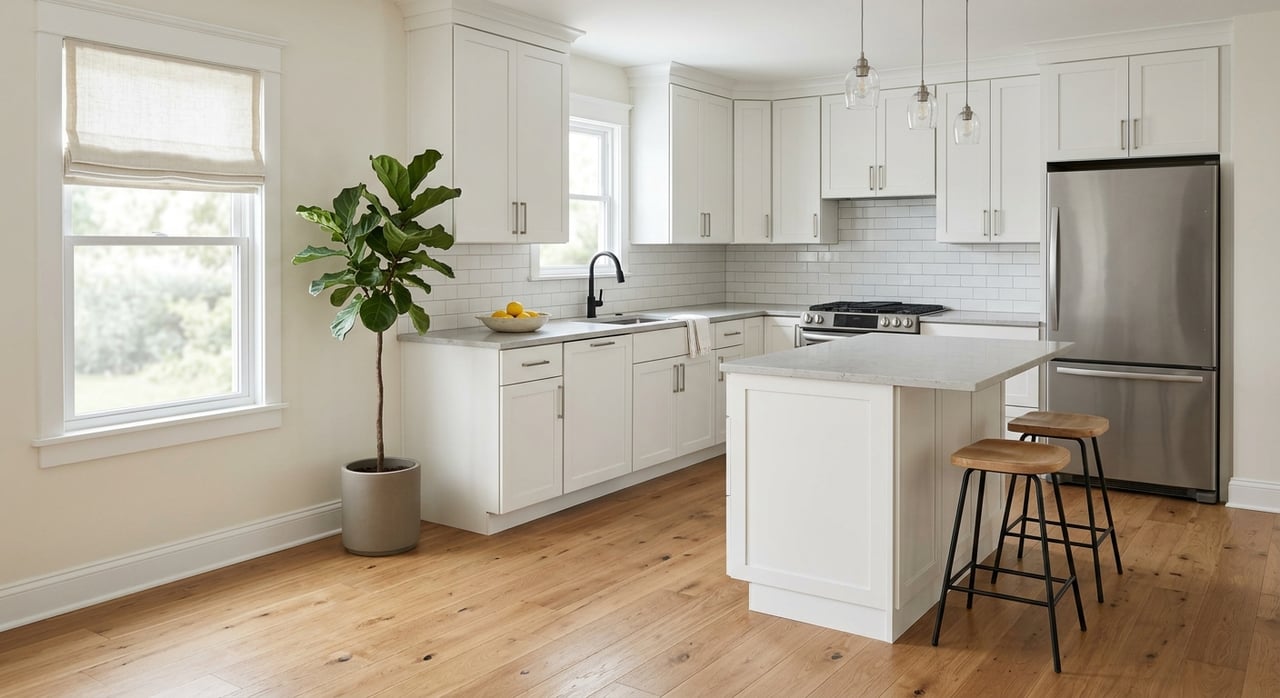
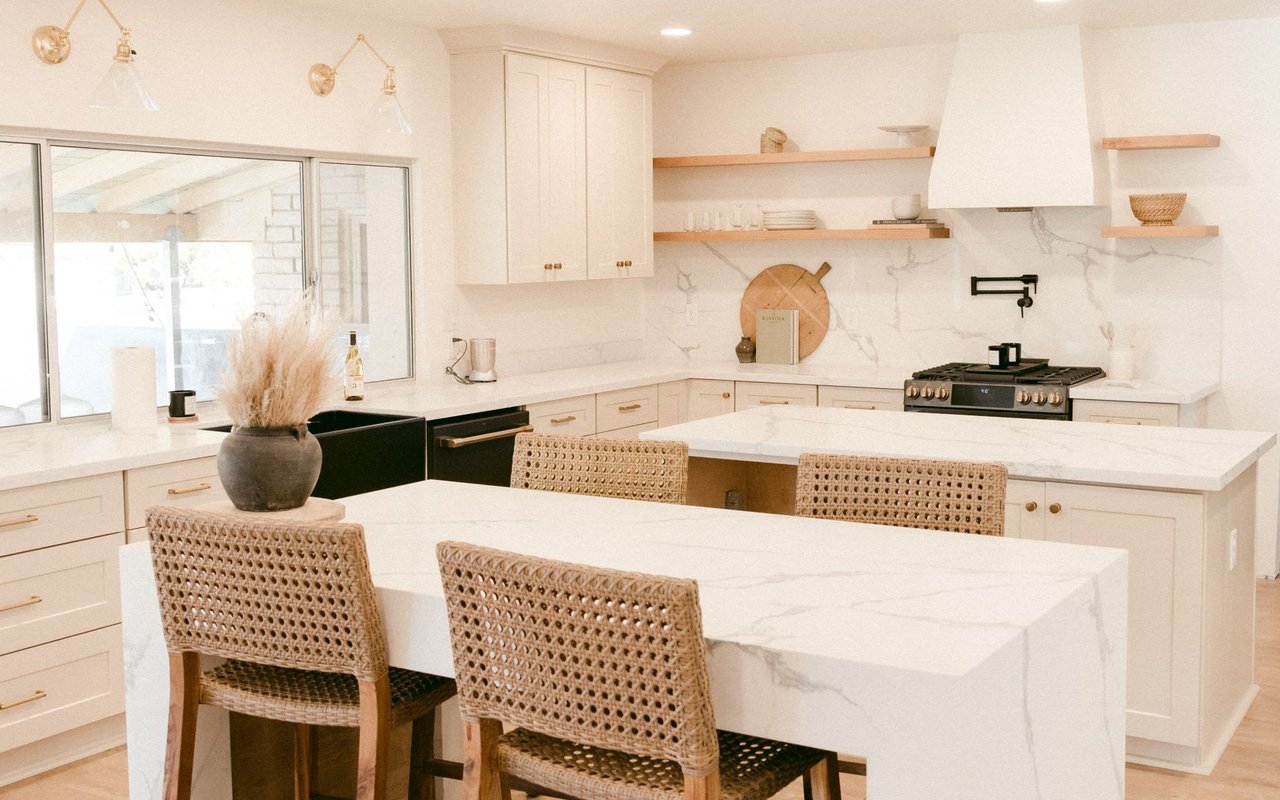
- Minor kitchen and bath updates. Think refaced or freshly painted cabinets, updated counters, modern lighting and fixtures, and new hardware. Modest refreshes typically offer stronger resale recoup than a full gut.
- Flooring. Refinished hardwoods or modern LVP can unify spaces and photograph well.
Avoid major additions or full-scale remodels right before listing unless you plan to hold the home longer. Those projects can take time, require permits, and may not return their full cost in a near-term sale.
Price for action in weeks one and two
Build a hyper-local CMA
Bowie spans a wide range of neighborhoods and price points. The best results come from recent solds that match your home’s style, size, and micro-location. A quality CMA will fine-tune your list price and bracket it against active competition so you are positioned to win the first wave of showings.
Choose your strategy: speed or net
If you need to move quickly to capture a specific purchase or job timeline, an aggressive price and concentrated marketing plan can drive a fast offer. If you can wait, a value-maximizing plan that pairs targeted updates with staging may net a higher price. Your CMA and negotiation plan should guide the choice.
Review activity after 10–14 days
Most showings and offers cluster in the first two weeks. Set expectations to review feedback and showing counts at the 10 to 14-day mark. If traffic is light, adjust price or improve presentation quickly before the listing goes stale.
Staging and listing presentation that pays
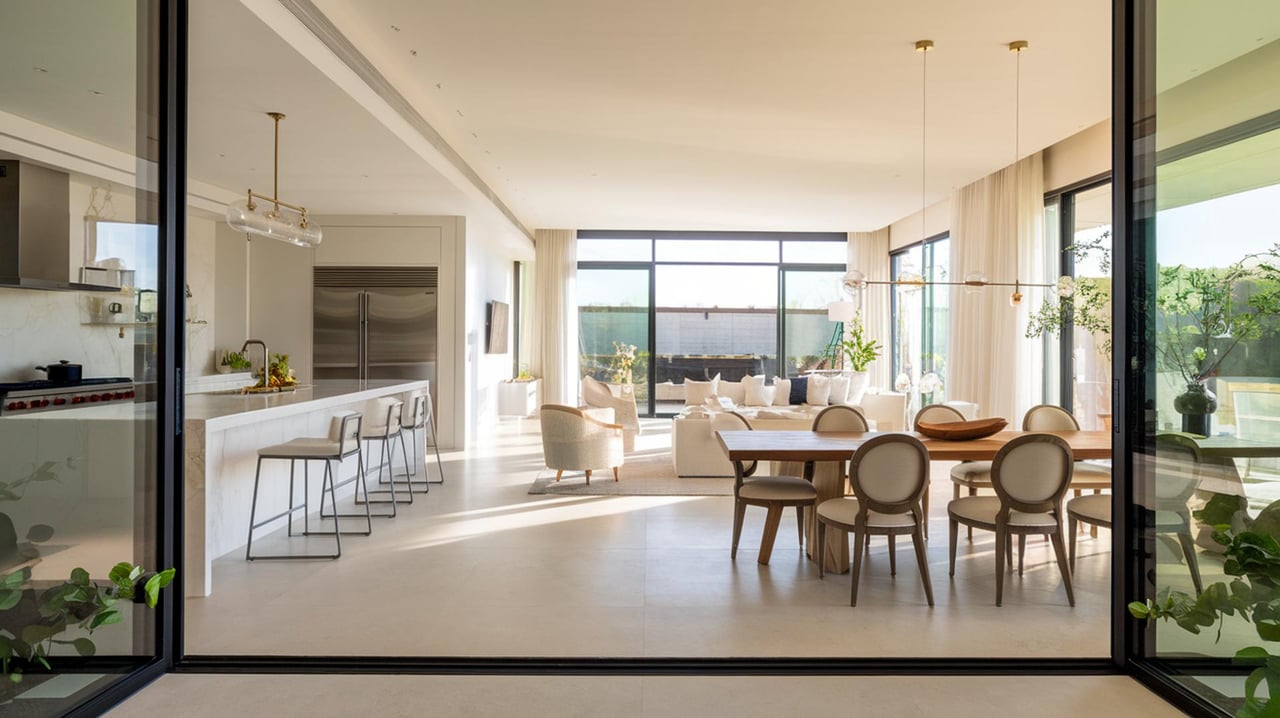
Professional presentation helps you attract more buyers in less time. Strong photos and selective staging showcase scale and flow, which matter for move-up shoppers comparing layouts.
What to stage first
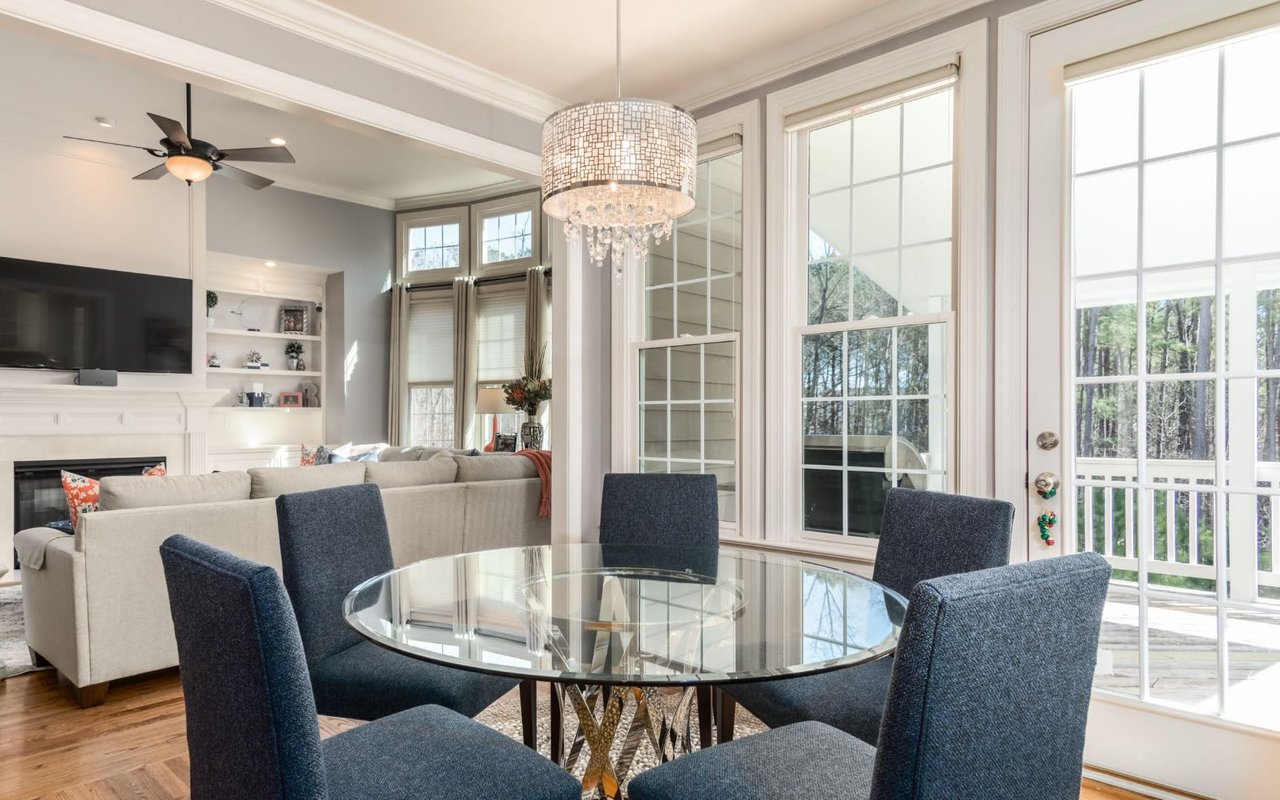
If budget is limited, focus on the living room, kitchen, and primary bedroom. Clear surfaces, neutral decor, and simple lighting updates go a long way. Virtual staging can help vacant or lightly furnished rooms show their potential online.
Budget ranges
- Photography: many mid-market shoots fall in the few hundred dollar range.
- Virtual staging: per-photo pricing is often low and fast-turn.
- Partial physical staging: typically in the low thousands for mid-market homes.
For reference, see current home staging statistics and cost ranges.
Timeline and coordination for a smooth move
Typical timeline at a glance
- Pre-list prep (declutter, small repairs, photos): 1 to 3 weeks depending on scope.
- On market to accepted offer: often 7 to 21 days when priced right, with the first two weeks being critical.
- Contract to close: plan for 30 to 60 days for most financed purchases. Cash or streamlined loans may close faster.
Build your purchase plan around these windows so you are ready to write on the right replacement home.
Sell first with a rent-back
Selling first lowers the risk of carrying two mortgages. To bridge the gap while you buy, you can negotiate a rent-back that lets you stay in the home for a short period after closing. Lenders often cap rent-backs on owner-occupied loans, so confirm limits in writing. Learn the basics of how rent-back agreements work, and make sure your agreement covers rent amount, security deposit, utilities, and insurance.
Buy first with bridge or HELOC
Buying before you sell avoids a contingent offer and lets you move once, but it increases carrying costs. A bridge loan uses your existing equity to fund the next purchase, then you pay it off when your current home sells. Review costs, risks, and exit plans with your lender. For a quick primer, check out a bridge loan overview and calculator.
Using a sale contingency
In balanced markets, buying contingent on the sale of your current home can still work if the rest of your offer is strong. In more competitive segments, it may be harder to win. National buyer trends point to continued demand for updated, move-in-ready homes, so align your approach with your price band and neighborhood. See NAR’s latest buyer trends and competition context for perspective.
Permits, taxes, and closing costs in Prince George’s
Permits: city and county
In Bowie, many projects require both City of Bowie approval and Prince George’s County DPIE permits. Before you start work on decks, additions, major electrical or plumbing, or other significant updates, confirm requirements with the city and county. Start here: City of Bowie building and sign permits. Plan permit lead time into your prep timeline.
Transfer and recordation taxes
Maryland and Prince George’s County collect transfer and recordation charges at closing. The county imposes a transfer tax that is in addition to the state tax. For exact language and rates, review the Prince George’s County transfer tax code. Your title company will prepare a detailed estimate based on your contract and exemptions.
Property taxes and prorations
Assessments can change around a sale, which may impact prorations or supplemental bills. Ask your settlement company and your agent to walk you through any timing issues, so you know what to expect on your net sheet.
Quick pre-listing checklist and budget
Use this as a planning tool. Actual costs vary, so get local quotes.
Basic safety and pre-list inspection: 1 to 2 weeks; budget $300 to $700. See what a Maryland pre-listing inspection covers.
Radon test: 2 to 5 days; budget $100 to $300. If mitigation is needed, plan roughly $800 to $2,500 based on typical radon testing and mitigation costs.
Cosmetic refresh: 1 to 3 weeks; interior paint, minor repairs, and a deep clean often run $1,500 to $8,000 depending on scope.
Minor kitchen refresh: 2 to 6 weeks; a midrange update might run $20,000 to $40,000 if you include counters, refacing or repainting cabinets, fixtures, and appliances. Use contractor quotes to right-size for your price band.
Bath refresh: 1 to 4 weeks; plan $5,000 to $20,000 depending on finishes and labor.
Staging and photography: schedule 1 to 2 weeks ahead; photography commonly $300 to $600; staging options from virtual to partial physical typically range from a few hundred to a few thousand. Reference home staging statistics and cost ranges.
Listing launch and review: first two weeks are your critical window. Track showings, feedback, and online interest. Adjust quickly if needed.
If you need time after closing: prepare a clear post-closing occupancy or rent-back addendum. Confirm the buyer’s lender allows your timeline and document rent, deposit, and insurance duties. See how rent-back agreements work.
Moving up in Bowie can be smooth when you plan your pricing, prep, and timing around how local buyers shop. Focus on safety and system checks, lead and radon readiness, and high-impact cosmetic updates. Price with a hyper-local CMA, present your home beautifully, and pick the financing and timing path that fits your risk and lifestyle. If you want a local plan tailored to your house and your next move, connect with David Pridgen to map your best route.
FAQs
What is a move-up sale in Bowie and how do I plan it?
- A move-up sale means selling your current home and buying a larger or better-fitting home nearby; plan by building a local CMA, tackling safety and cosmetic updates, and choosing a timing path (sell-first with rent-back, buy-first with bridge, or a sale contingency) that matches your risk and goals.
How much should I invest in updates on a Belair-era home?
- Start with low-to-moderate cost projects that buyers value most, like paint, curb appeal, minor kitchen and bath refreshes, and flooring; avoid big additions right before listing unless you plan to stay longer.
Are lead paint and radon deal-breakers for Bowie buyers?
- Not usually; most buyers expect proper lead disclosures and may request radon testing, and many transactions handle issues with repairs, mitigation, or credits when results exceed guidelines.
How long does it take to sell and buy at the same time?
- Many sellers prep in 1 to 3 weeks, secure an offer in 7 to 21 days, and close in 30 to 60 days, then buy right after using a rent-back or by coordinating contract timelines with their next purchase.
What is a rent-back and how long can I stay?
- A rent-back lets you stay in the home for a short period after closing while you buy; lenders often cap owner-occupied rent-backs, so confirm limits in writing and document rent, deposit, utilities, and insurance.
What closing costs should Bowie sellers expect?
- Expect Maryland and Prince George’s transfer and recordation charges plus title and settlement fees; your title company will estimate exact amounts and handle prorated property taxes based on your contract and settlement date.