If you are thinking about selling in Randallstown, here is the truth: buyers often decide how they feel about your home before they ever step through the door. In a market where many homes share similar age, size, and layout, presentation can shape whether your listing gets saved, skipped, or scheduled for a showing. The good news is that you do not need to renovate everything to make a strong impression. With the right prep, you can help your home look more current, more cared for, and more move-in ready. Let’s dive in.
Why prep matters in Randallstown
Randallstown’s housing stock is largely made up of owner-occupied homes, with detached single-family homes making up a big share of the market. Many properties were built between 1960 and 1979, and 3- and 4-bedroom homes are especially common, according to Maryland state community data. That means buyers are often comparing homes with similar square footage, similar bedroom counts, and similar general age.
When listings look alike on paper, condition and presentation matter even more. Late-winter 2026 data also suggests homes are not moving at breakneck speed. Baltimore County market data from Realtor.com shows a more balanced pace than the frenzy many sellers remember from the pandemic-era market.
Today’s buyers shop online first
Before buyers book a showing, they usually start online. The National Association of Realtors reports that all home buyers used the internet in their home search, and buyers said photos, detailed property information, floor plans, and virtual tours were among the most useful features.
That matters for your sale because your home has to perform well twice. First, it has to stand out in photos and online marketing. Then, it has to confirm that first impression when buyers arrive in person.
NAR also found that 83% of buyers’ agents said staging made it easier for buyers to visualize a home as their future residence. In other words, small improvements in how your home looks and feels can have a big impact on buyer interest.
Start with curb appeal
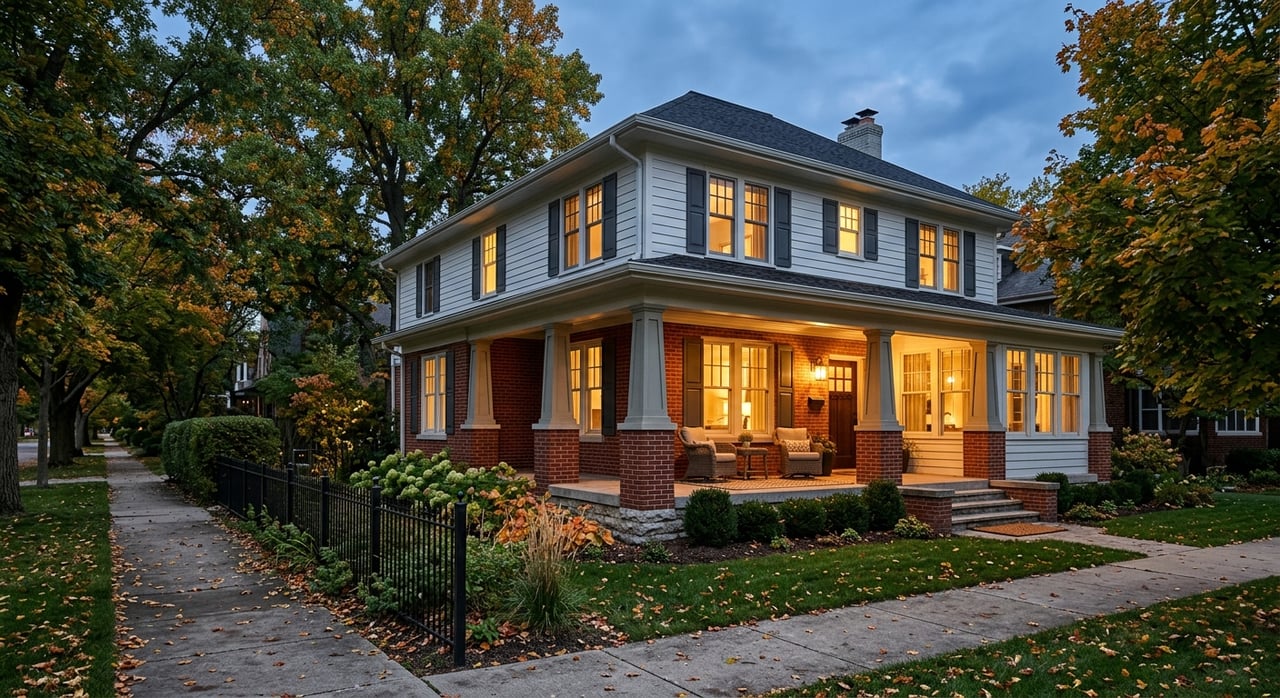
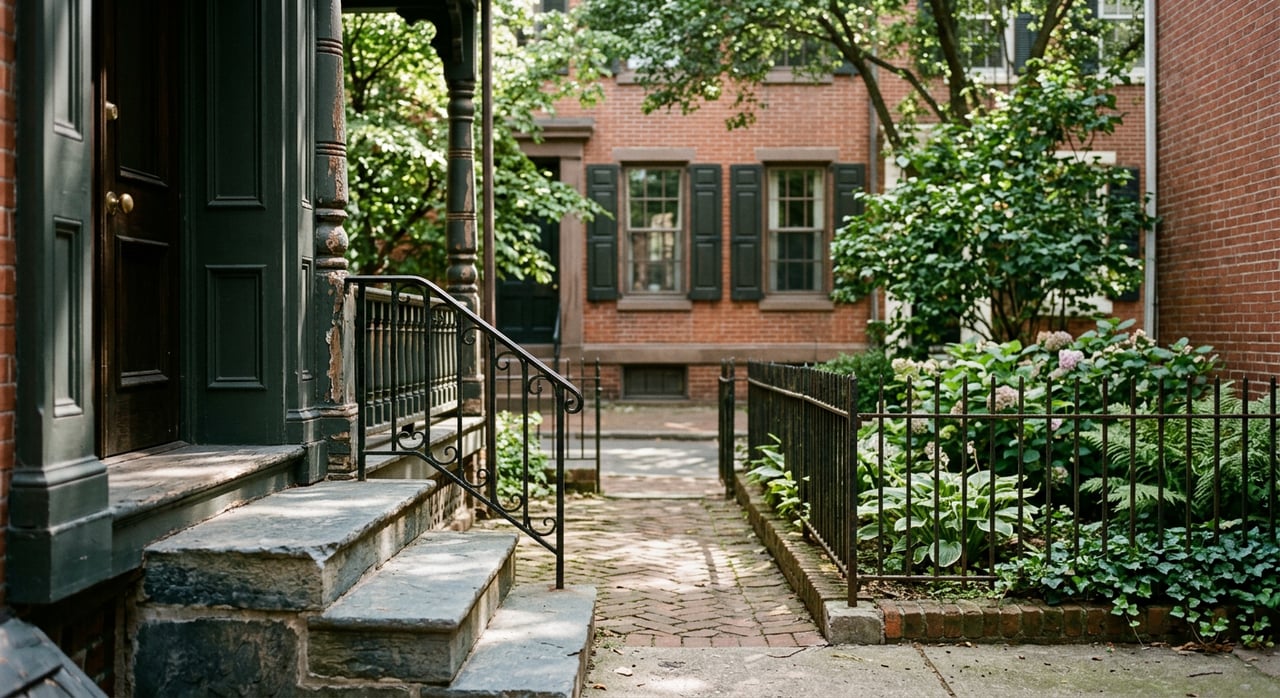
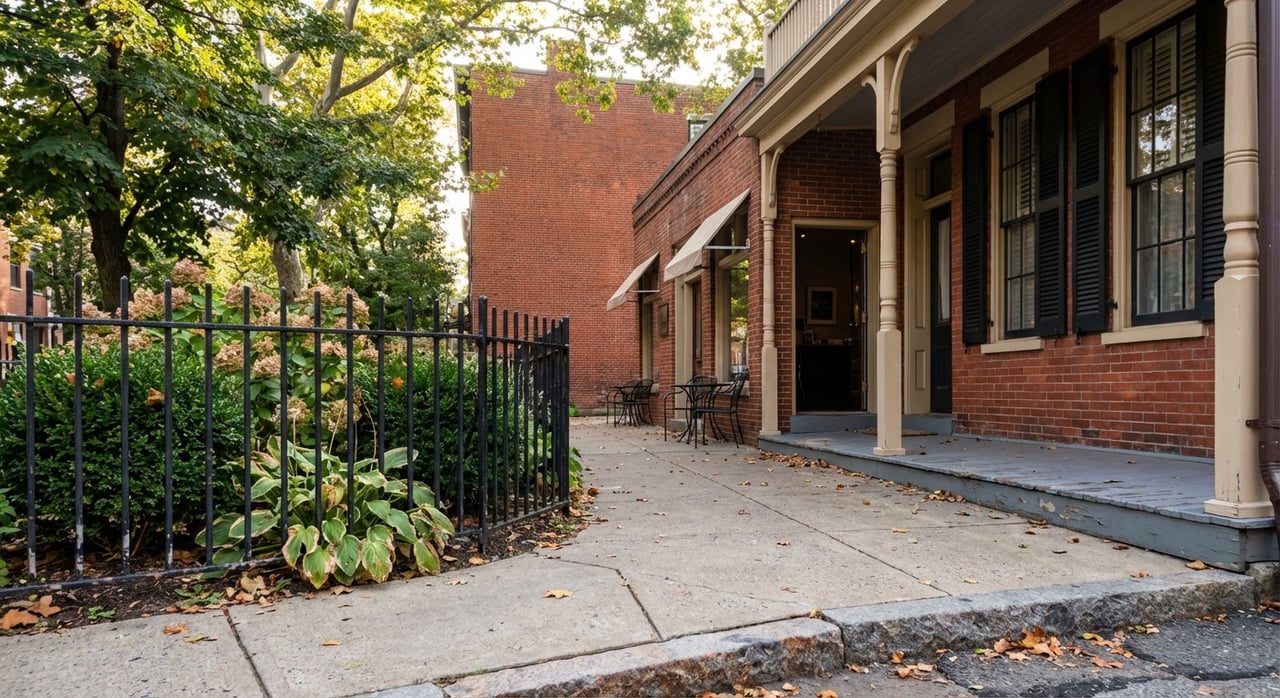
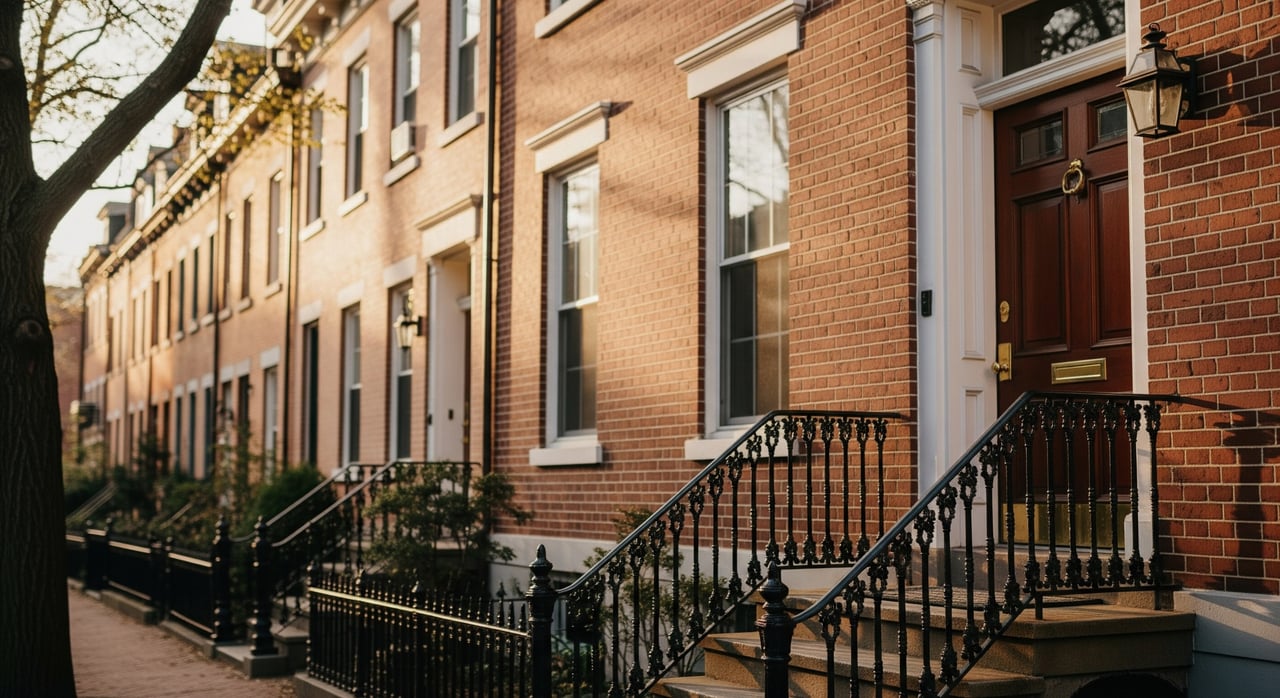
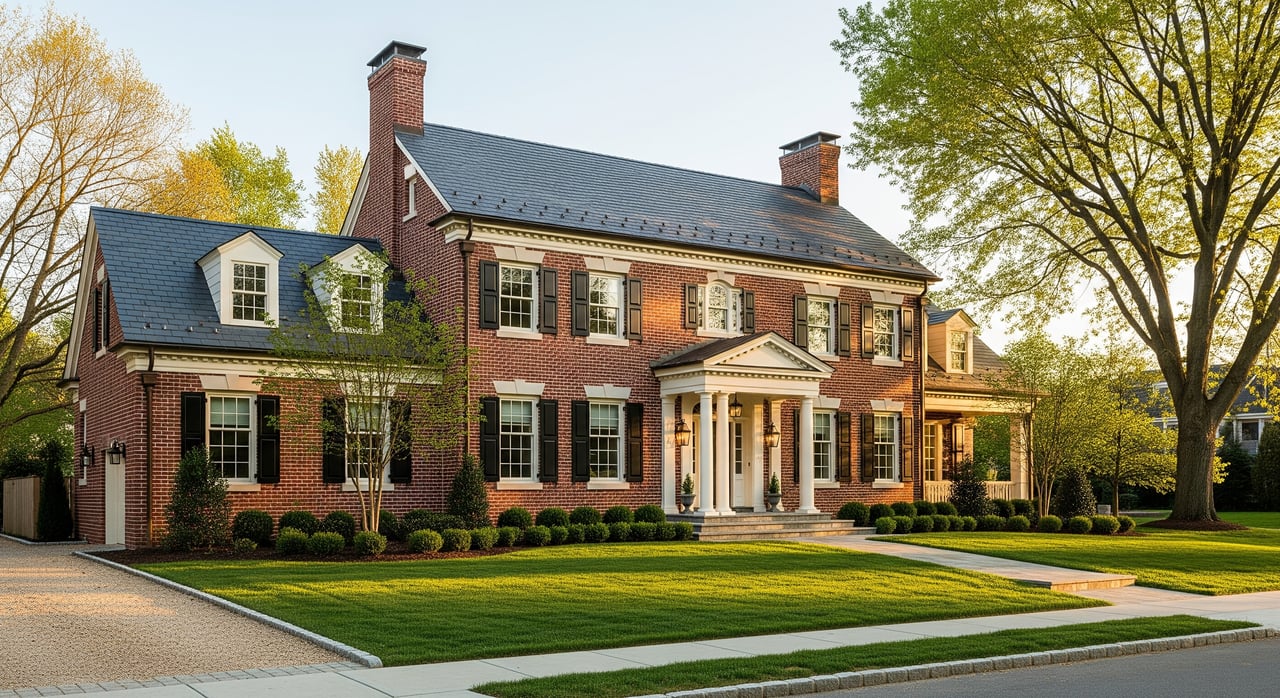
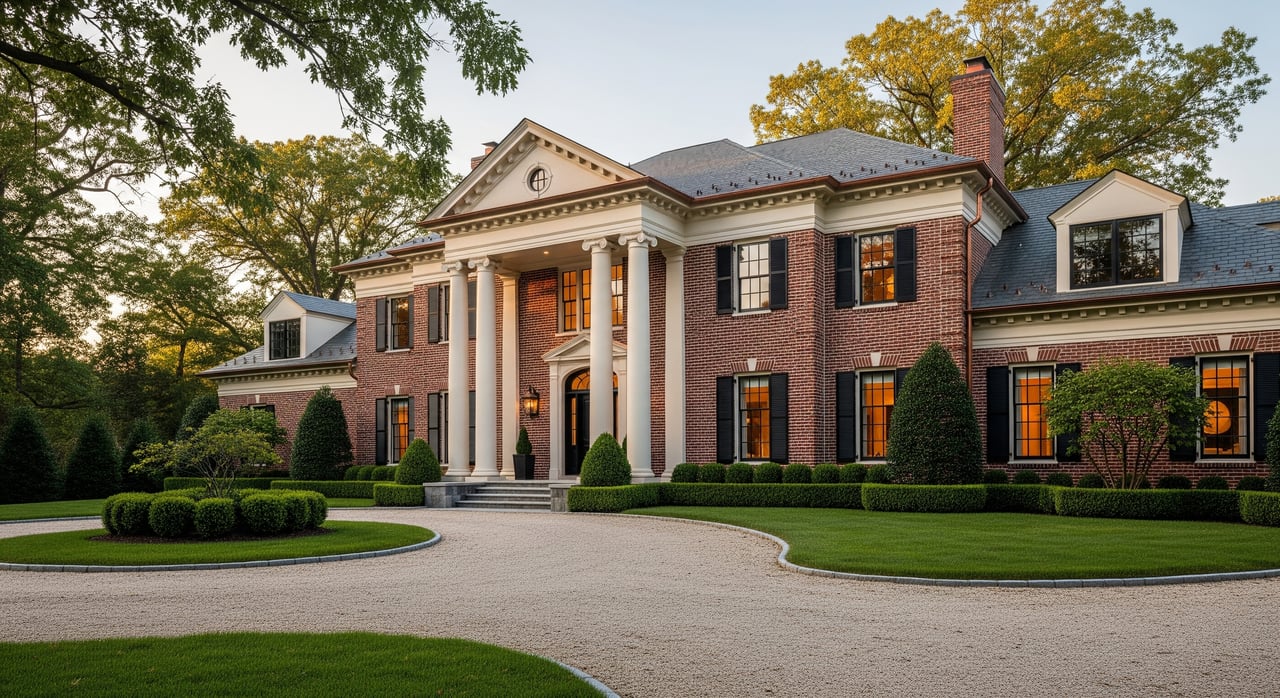
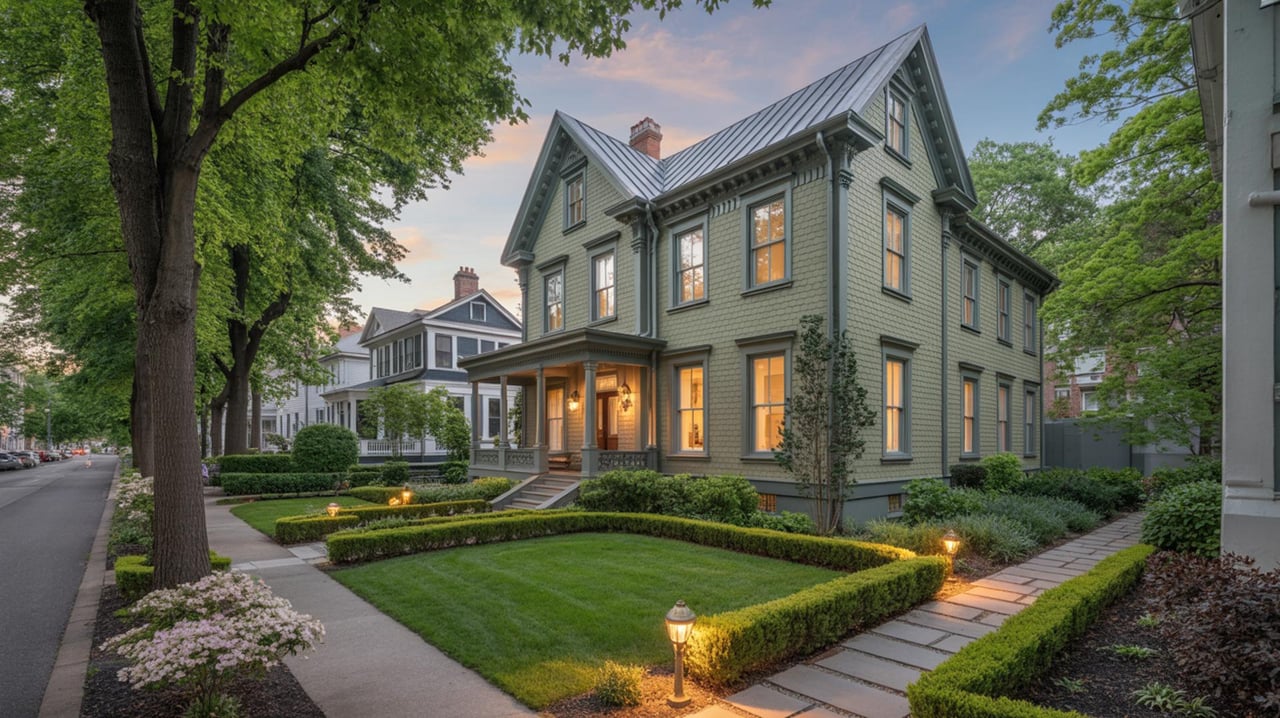
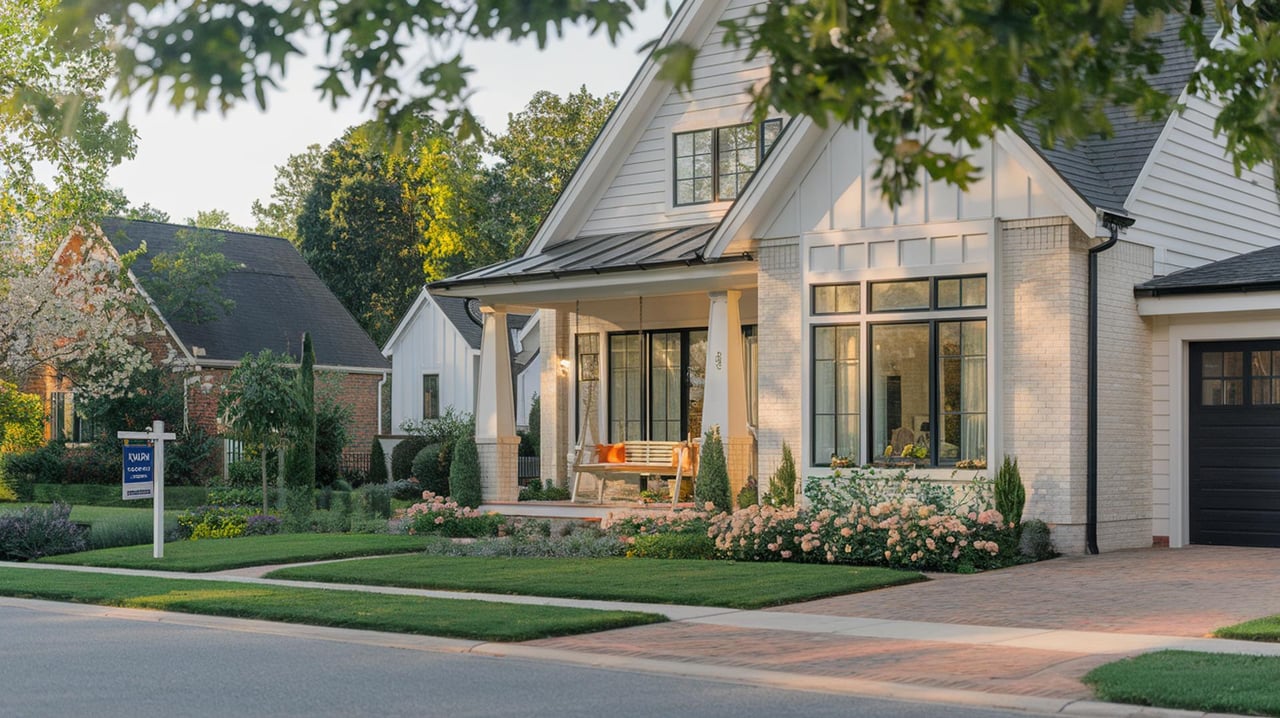
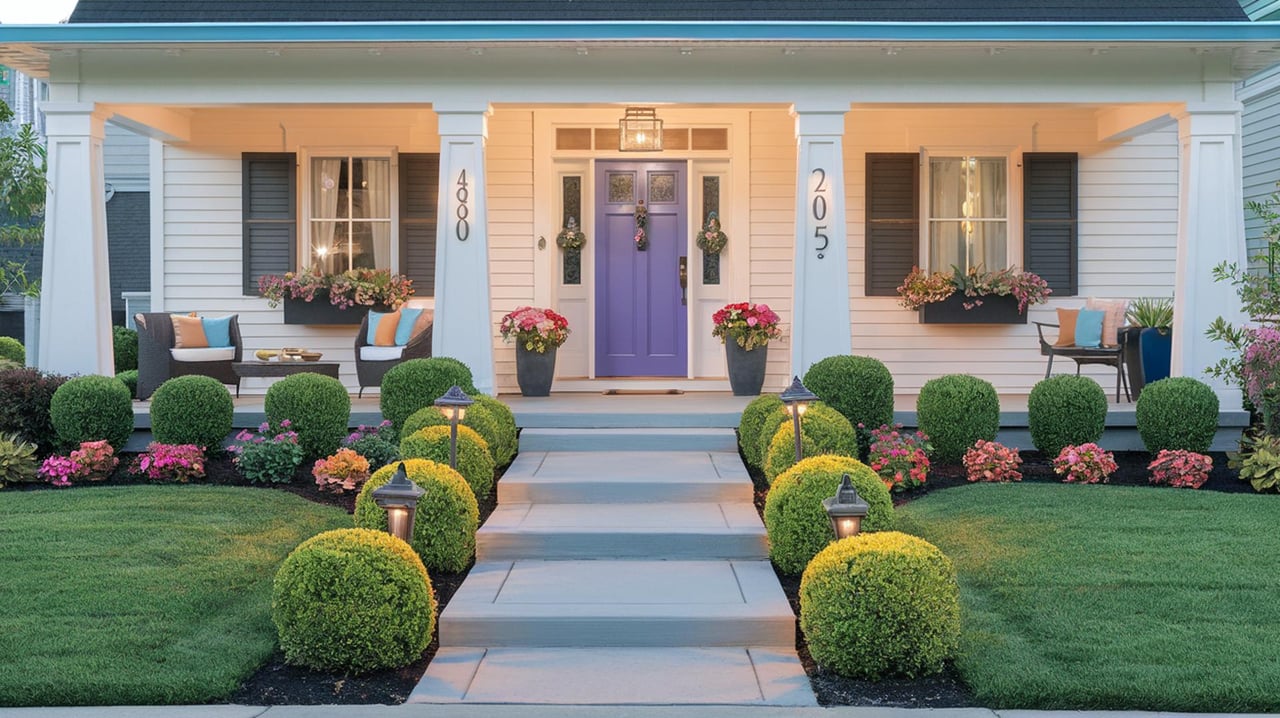
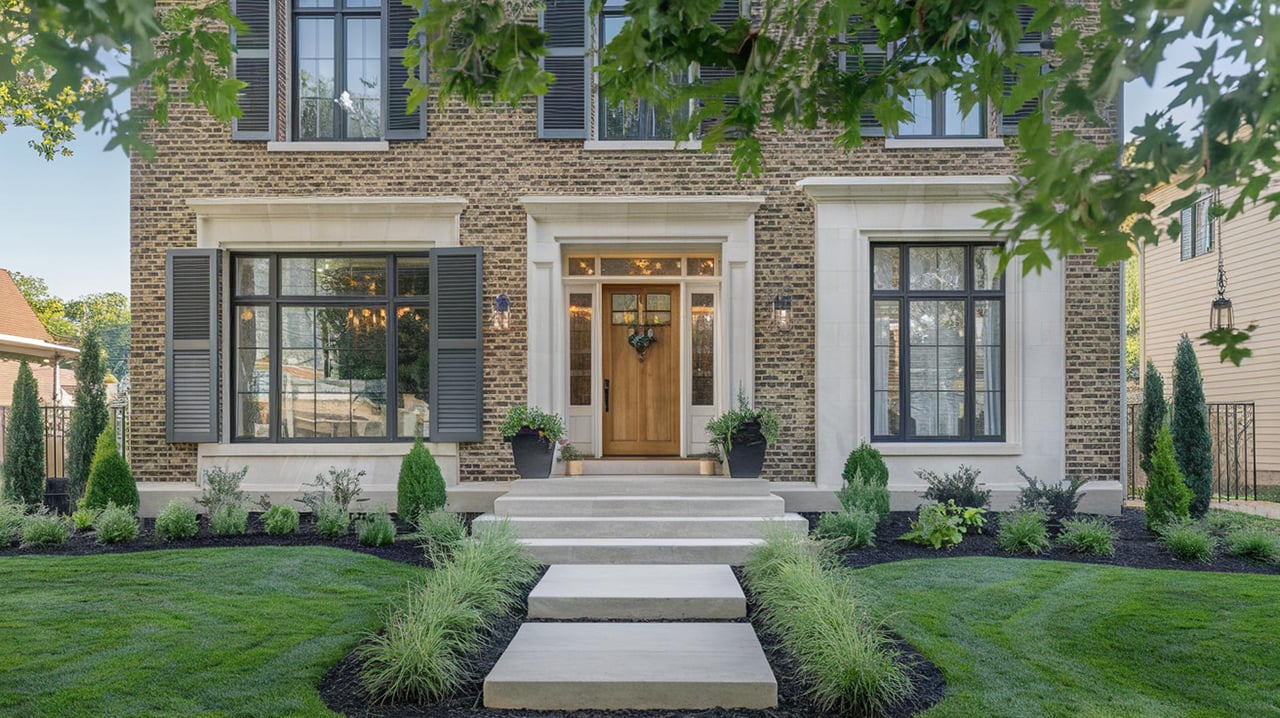
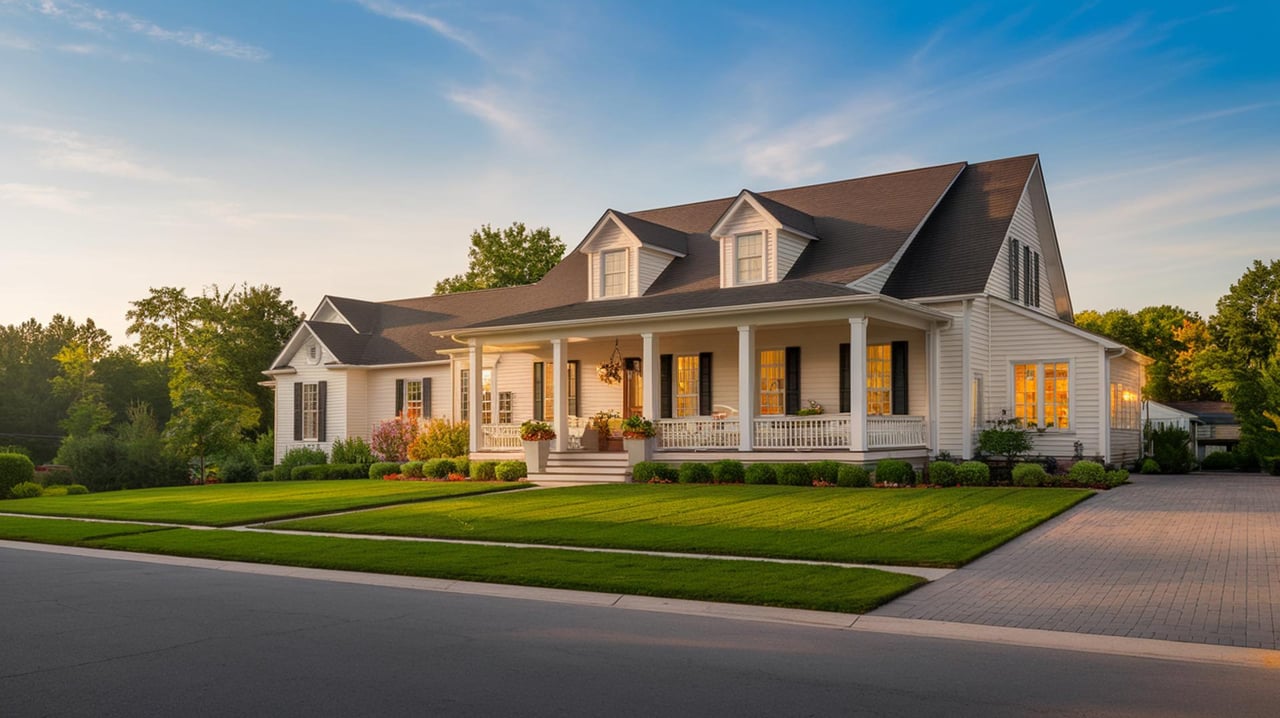
In Randallstown, the exterior often sets the tone for the entire showing. Because so many homes are detached and a bit older, buyers notice right away whether the outside feels maintained.
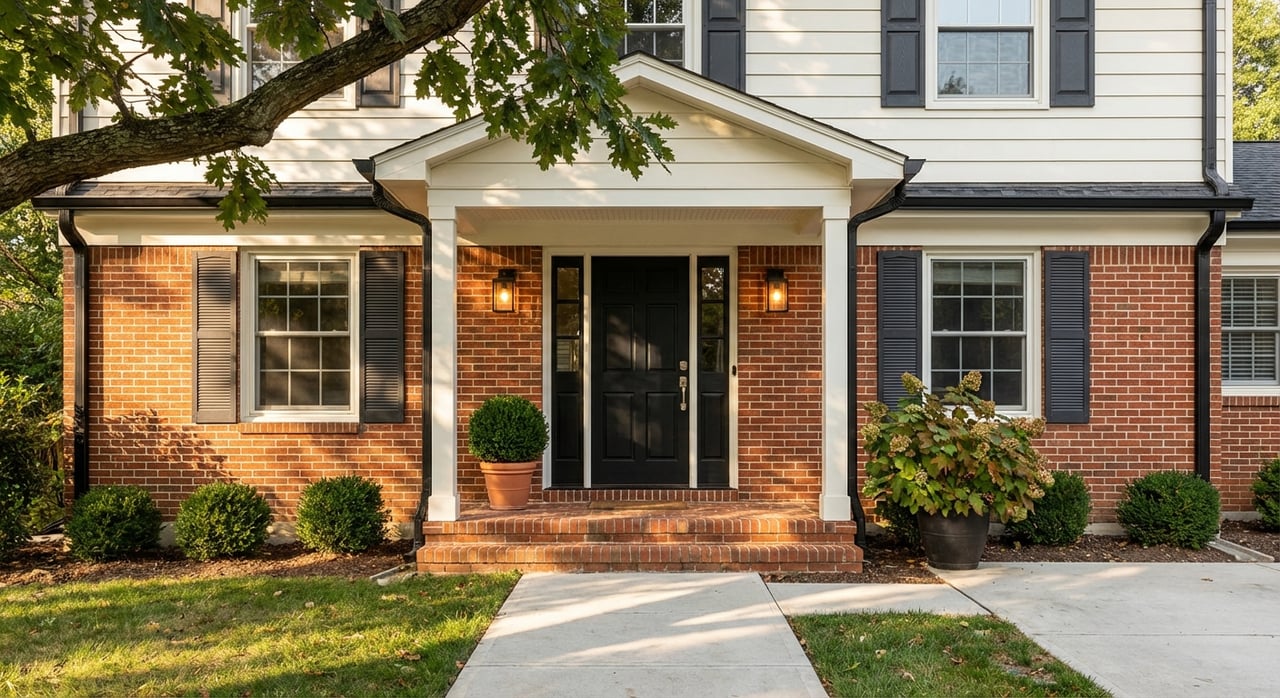
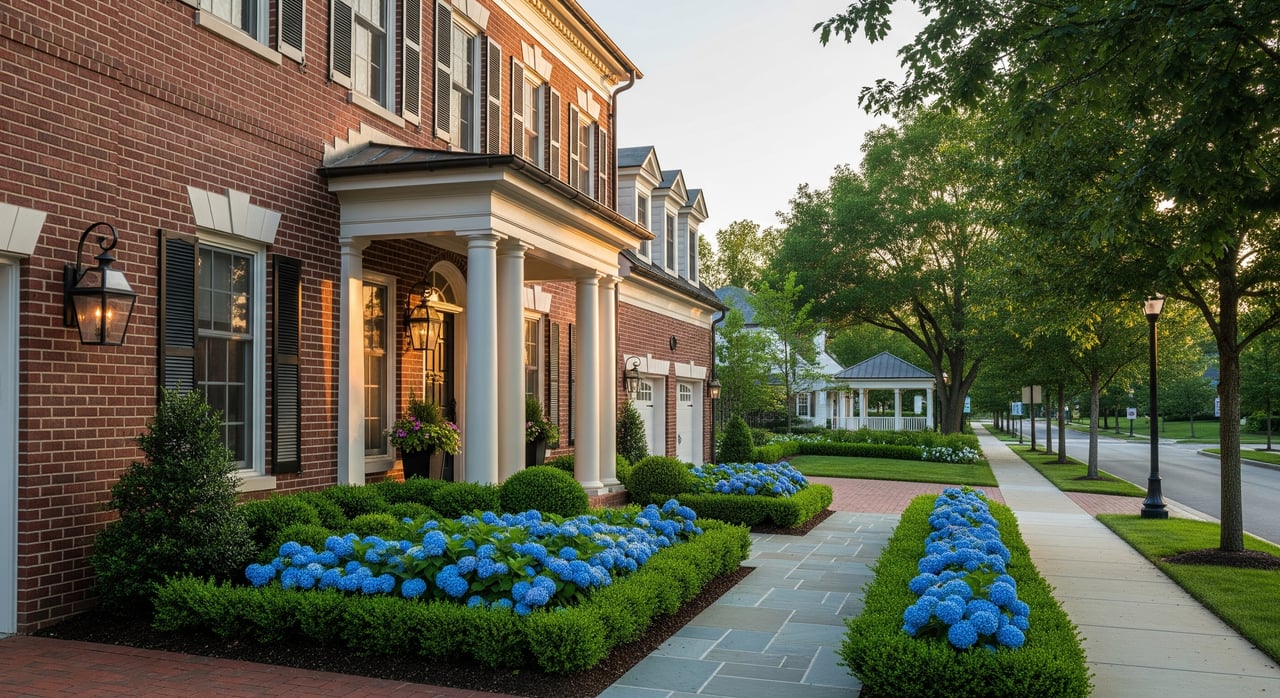
The strongest exterior updates are usually the simple, visible ones. NAR recommends freshening curb appeal with a defined front porch, better lighting, and trimmed landscaping. These are the updates buyers can spot immediately in your listing photos and on the drive up.
Focus on the front entry
Your front door and porch act like a welcome sign. If the door looks worn, the light fixture is dated, or the porch feels cluttered, buyers may assume the inside needs work too.
If your budget allows, a front door replacement can be a smart project. NAR’s remodeling guidance notes that a new steel front door can recover 100% of cost, while a fiberglass front door can recover 80%.
Make the approach feel clean
You do not need elaborate landscaping to improve first impressions. What helps most is a clear, tidy path to the door.
A few practical fixes can go a long way:
- Trim overgrown shrubs
- Remove dead plants or empty pots
- Sweep walkways and porch surfaces
- Store hoses, bins, and yard tools out of sight
- Update weak or mismatched exterior lighting
Prioritize the rooms buyers care about most
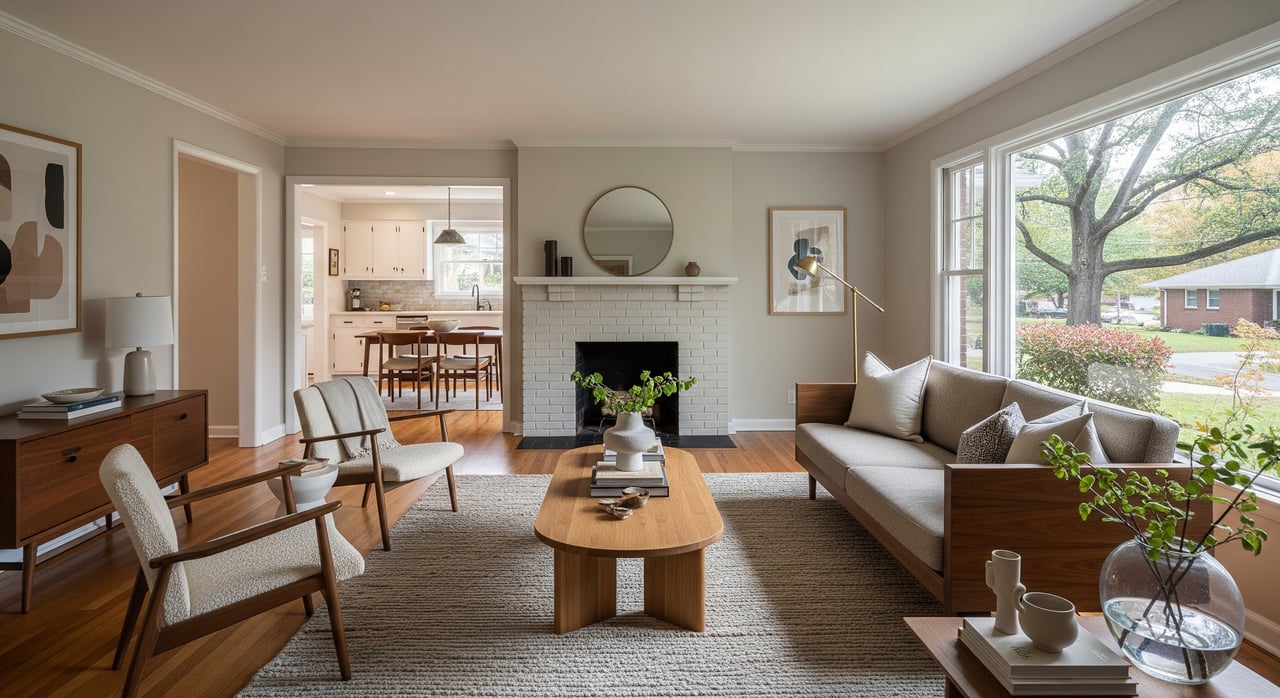
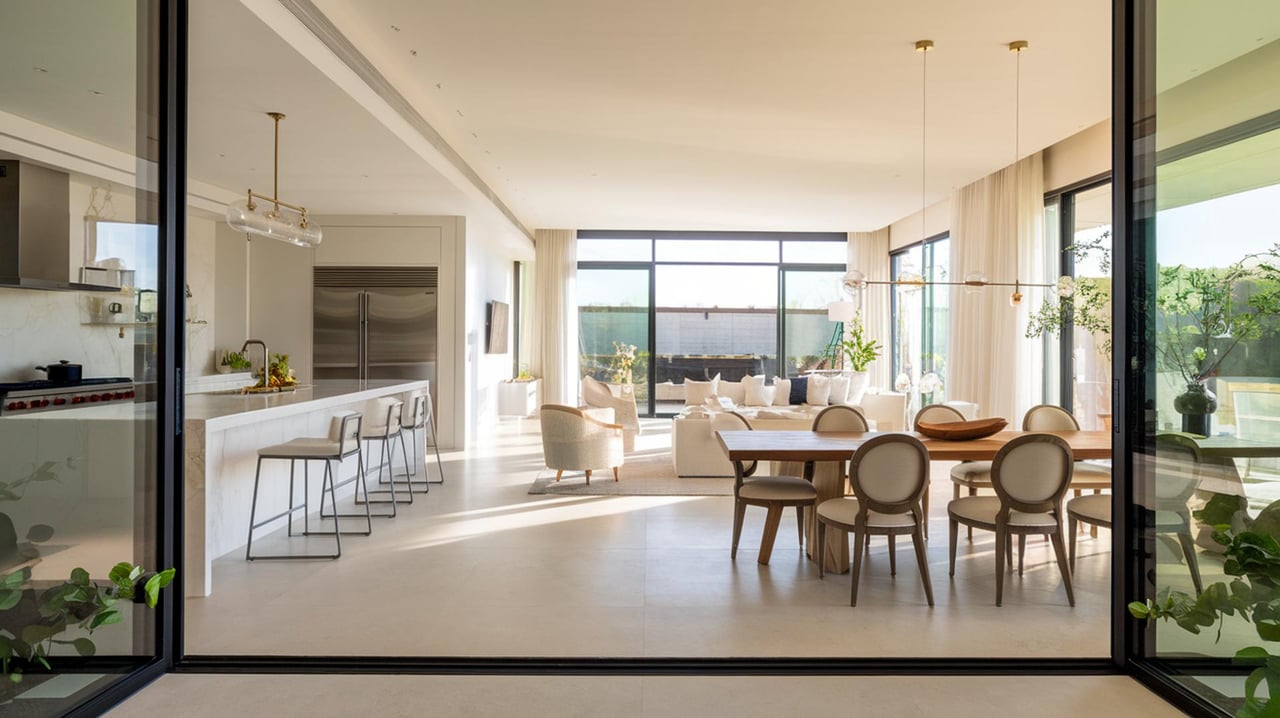
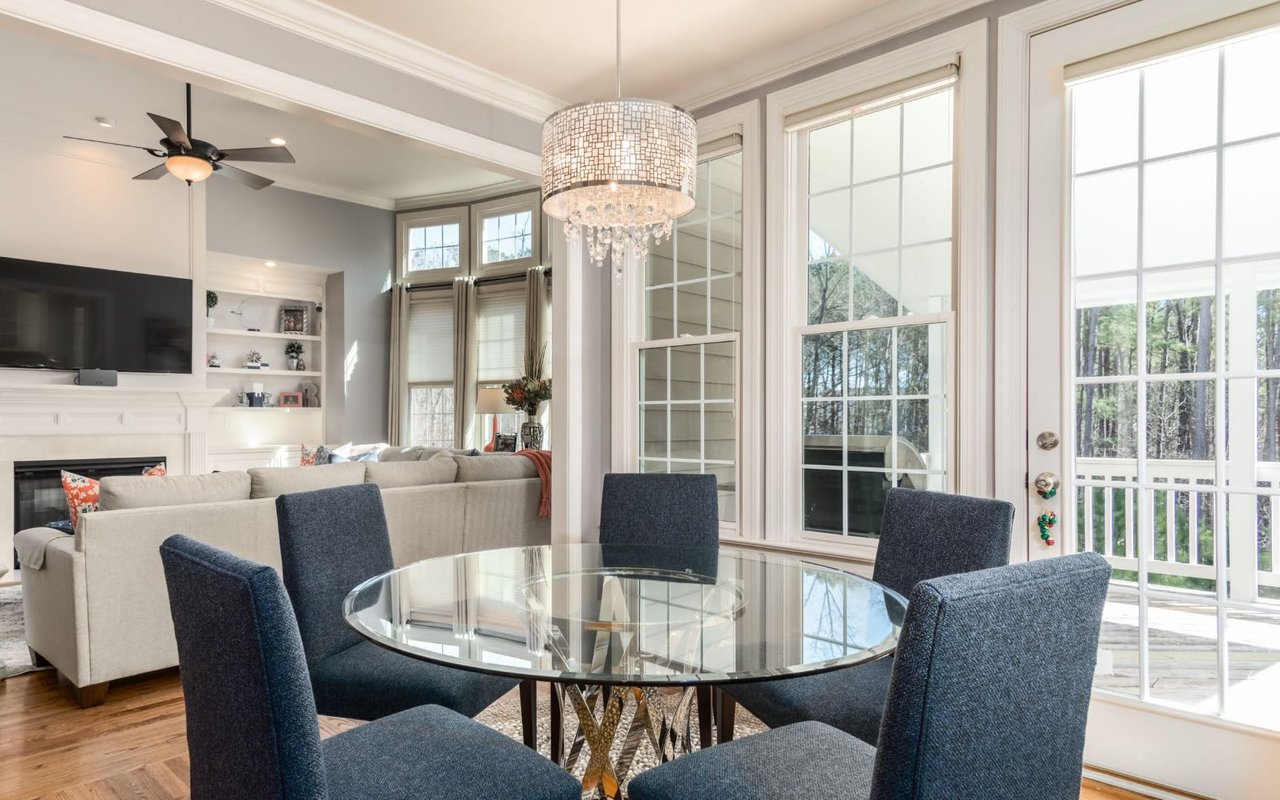
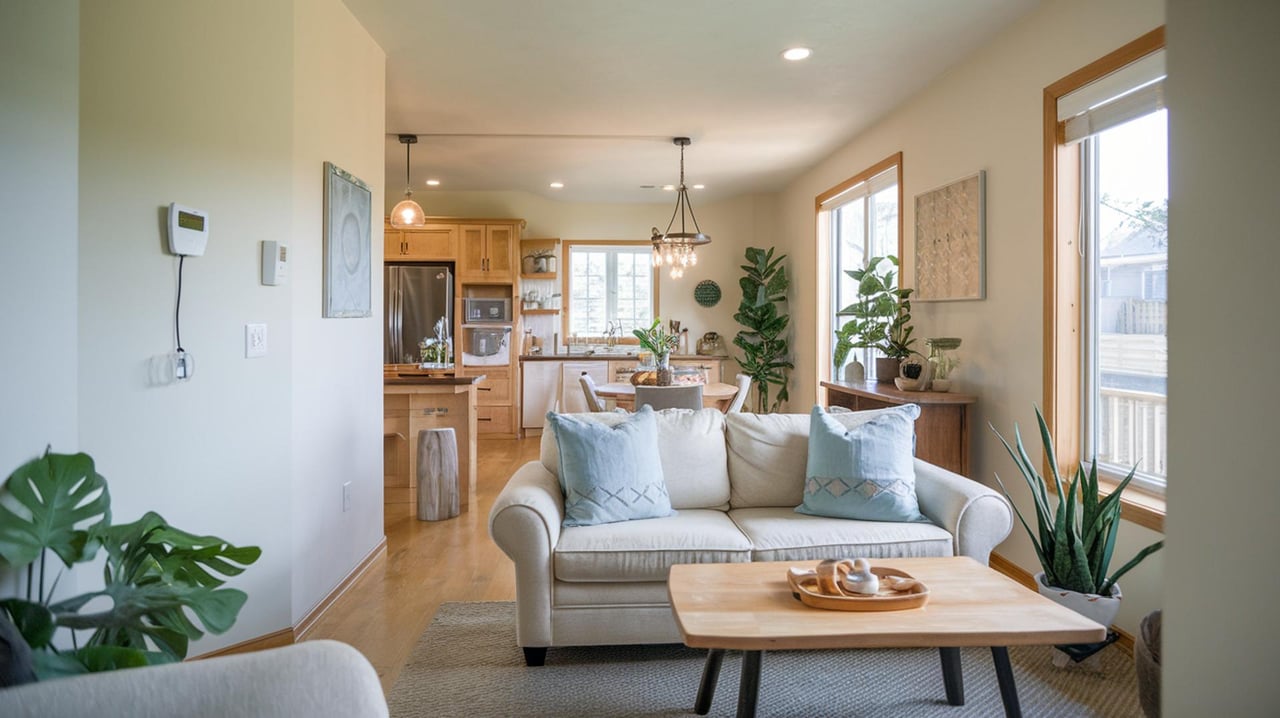
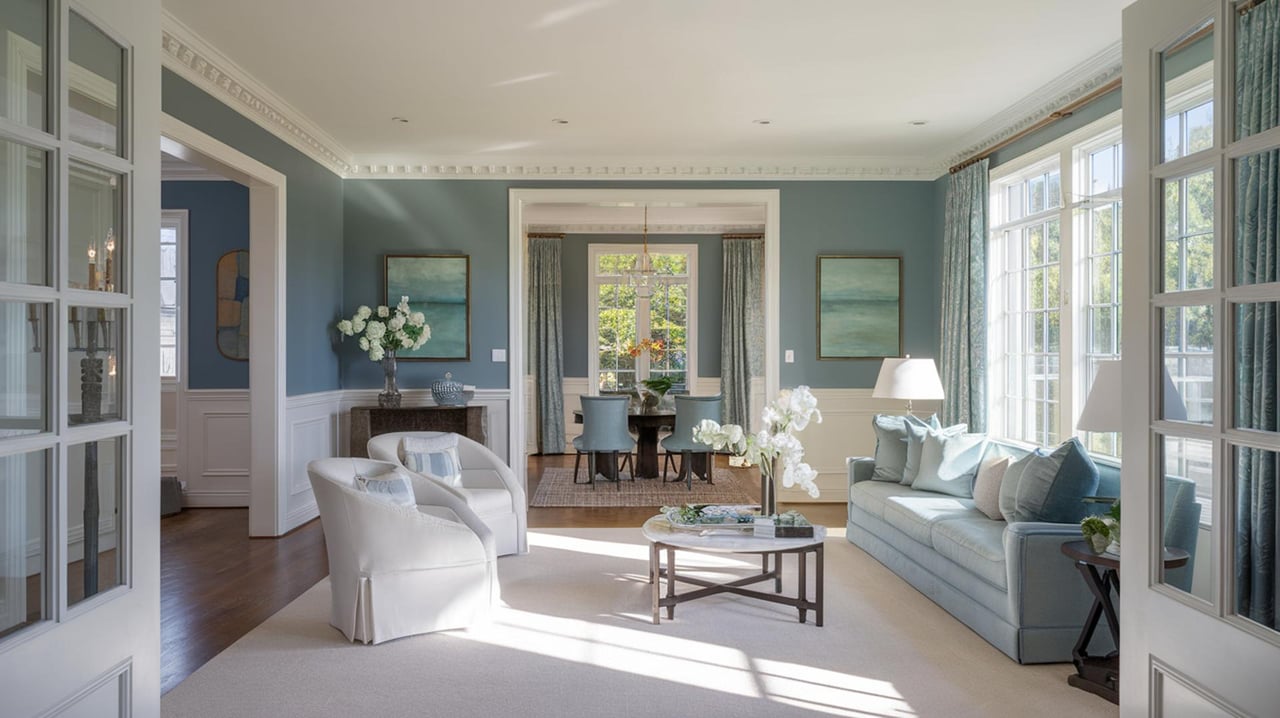
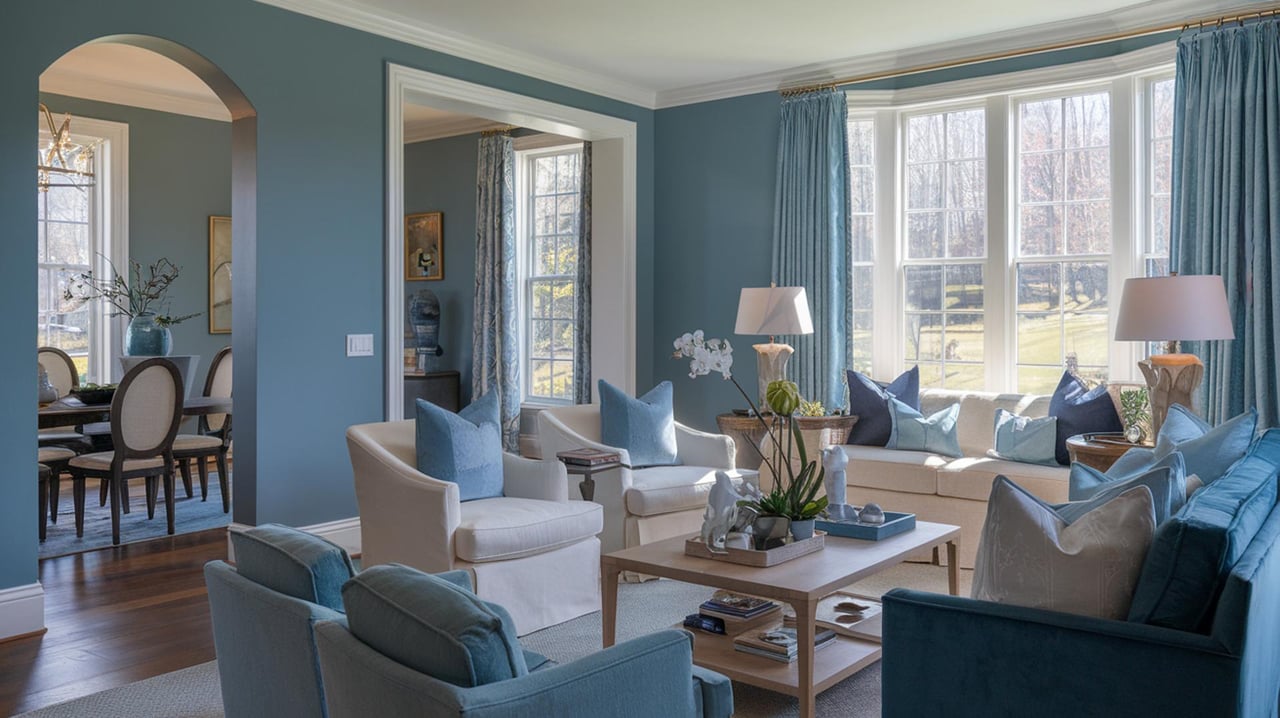
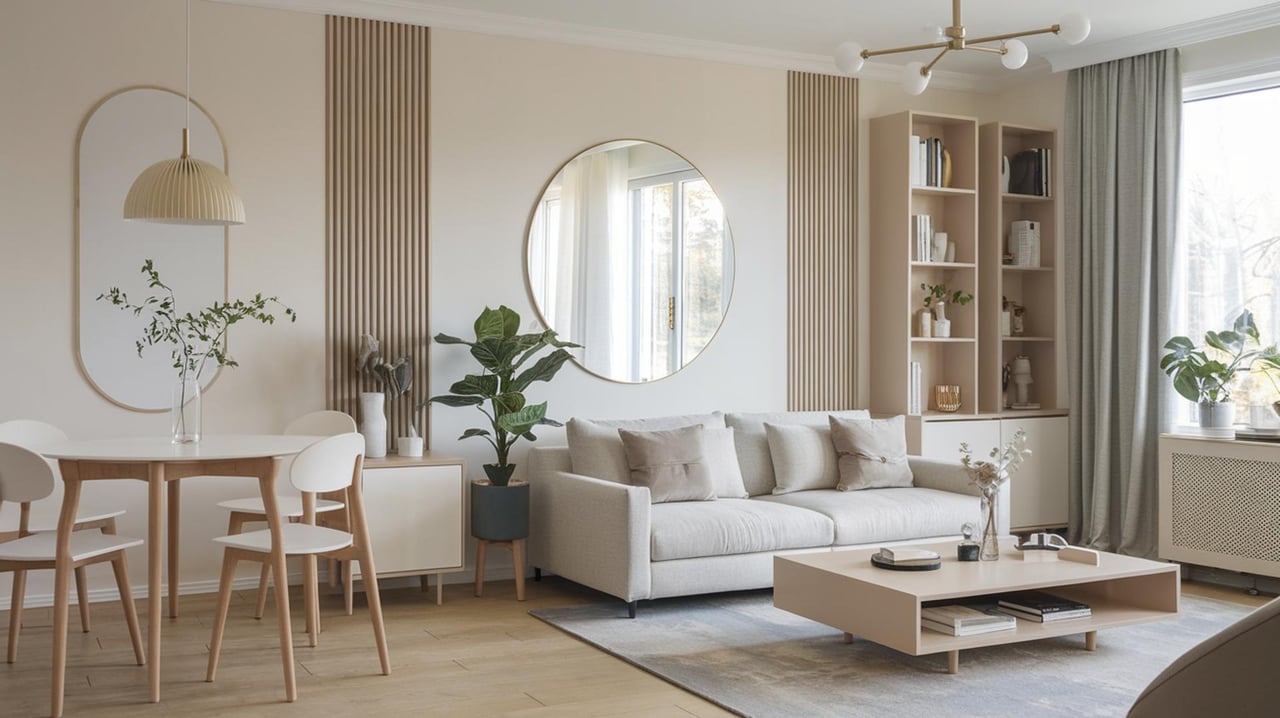
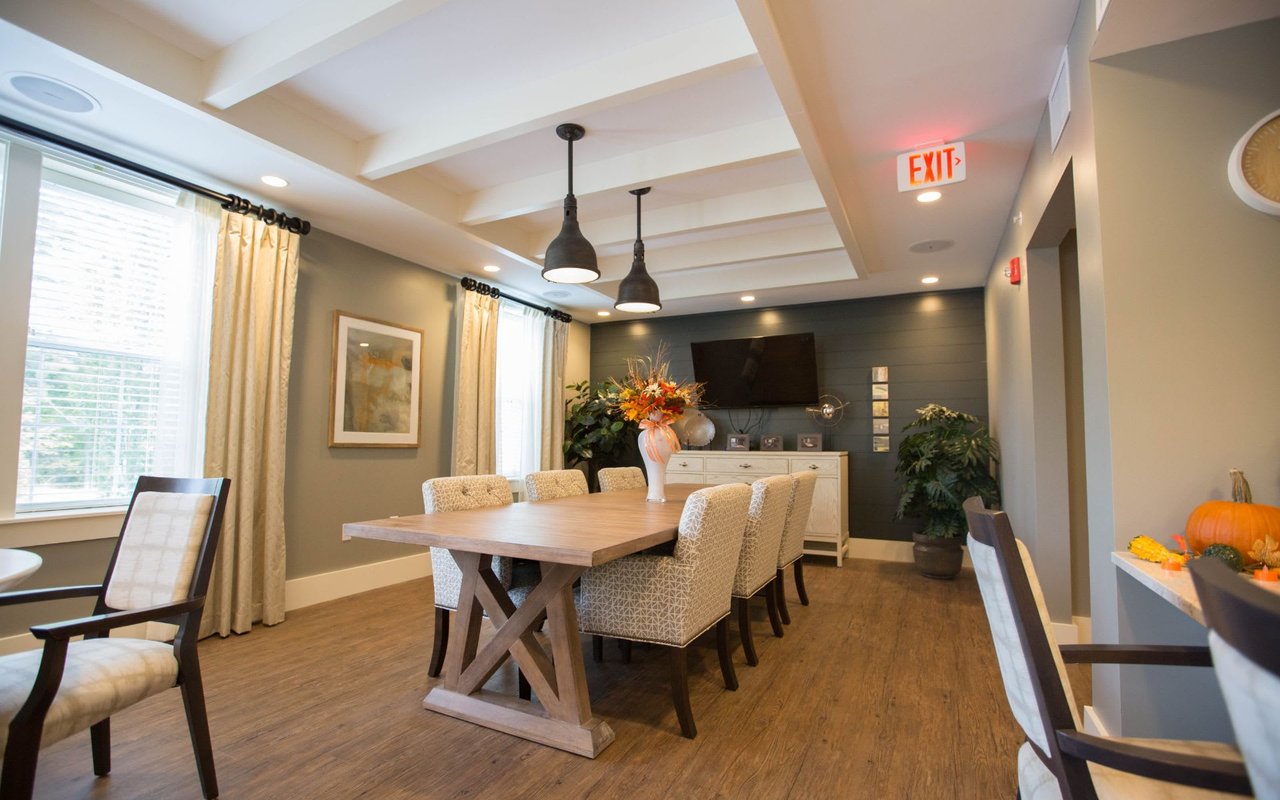
If you cannot stage every room, start with the spaces buyers notice first. According to NAR’s 2025 staging report, the most important rooms to stage are the living room, primary bedroom, and kitchen.
That priority makes sense in Randallstown, where many buyers are comparing family-sized homes with similar bedroom counts. They want to quickly understand how daily life would work in the home, and those core spaces do most of the heavy lifting.
Declutter before you update
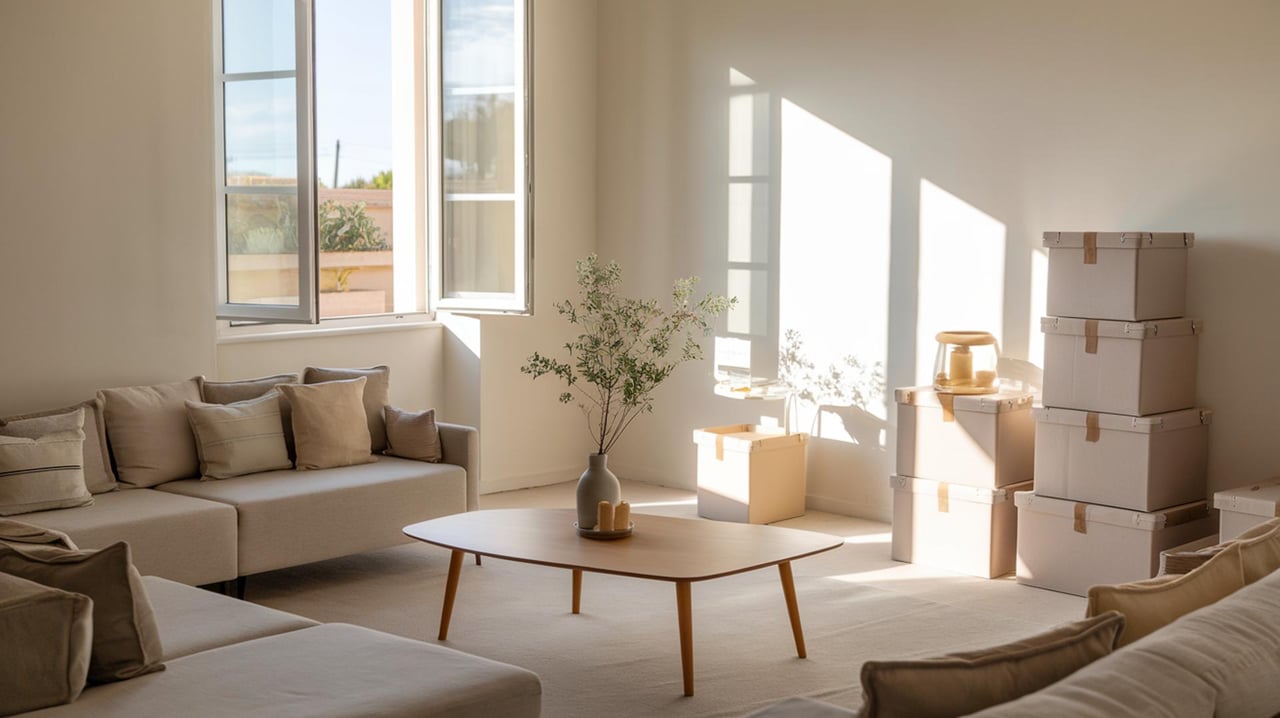
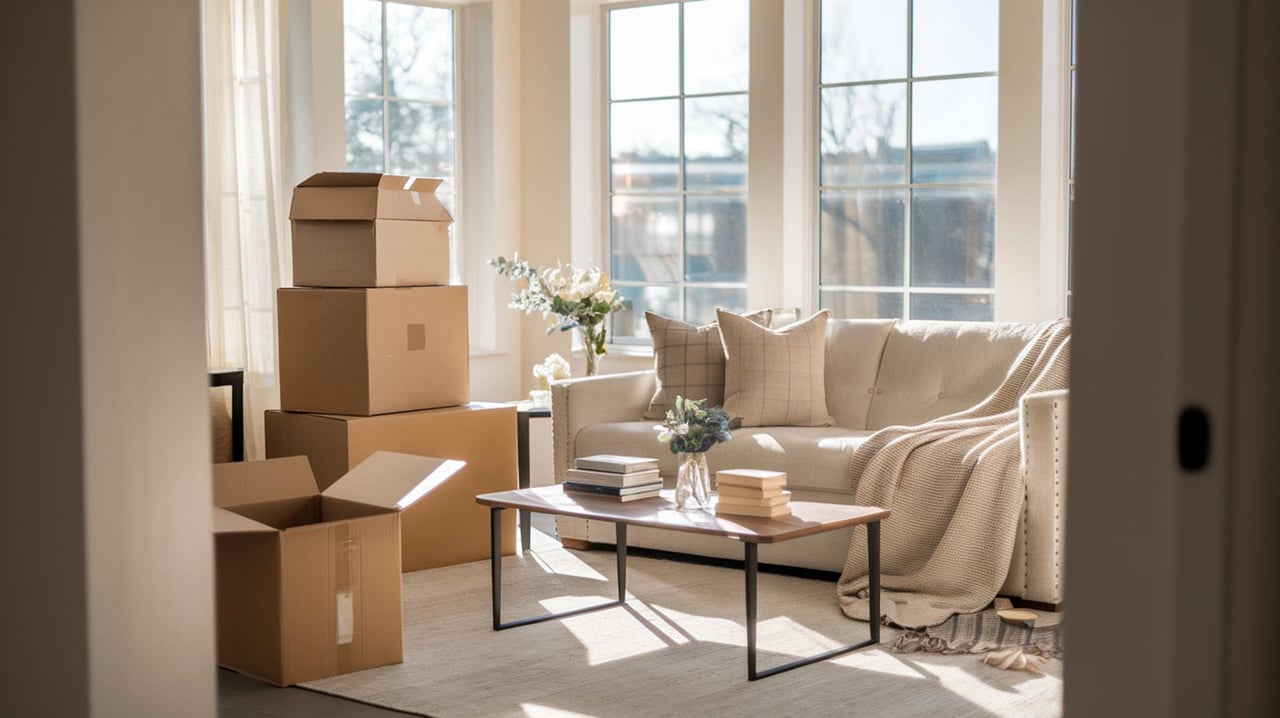
The highest-value prep work is often the least glamorous. Before you spend money on upgrades, remove excess furniture, clear counters, pack personal items, and deep clean.
This helps rooms look larger, brighter, and easier to photograph. It also helps buyers focus on the home itself instead of your belongings.
Aim for neutral and functional
You are not trying to erase personality. You are trying to create enough visual space for buyers to picture their own routines, furniture, and style.
That usually means:
- Clearing kitchen and bathroom counters
- Removing extra furniture that blocks flow
- Taking down highly personal photos or decor
- Organizing closets and storage areas
- Keeping surfaces simple and clean
Use paint and small updates wisely
If your home needs cosmetic help, do not assume you need a full remodel. In many cases, lighter paint, updated hardware, and better lighting will do more for your listing than a major renovation.
NAR’s guidance on marketing a home with a dated kitchen recommends focusing on staging, strong visuals, and selective cosmetic improvements before considering a full overhaul. For many sellers, that is the smarter path.
Tackle repairs first
Visible defects can distract buyers fast. A dripping faucet, loose handle, burned-out light bulb, or damaged trim may seem minor, but together they can make the home feel less cared for.
If you are deciding where to start, this is a strong sequence:
- Repair obvious defects
- Paint the most visible rooms in lighter neutrals
- Replace worn hardware and dated light fixtures
- Refresh key spaces with clean, simple staging
Give every room a clear purpose
This is especially important in larger Randallstown homes with extra bedrooms, dens, or lower-level spaces. Buyers respond better when they can quickly understand how each area functions.
A spare room should not feel vague or forgotten. It should read clearly as a guest room, office, workout area, or flex space. NAR buyer trend data supports the value of helping buyers visualize how a home could function, especially when they are narrowing options online.
Simple room-use ideas
If a room has become a catch-all space, give it one job before listing. Clear use usually beats complexity.
For example:
- An extra bedroom can become a guest room
- A small bonus room can become a home office
- A finished basement corner can become a media or hobby space
- A larger bedroom can show how a sitting area fits
Be strategic with the kitchen
A dated kitchen does not automatically sink a sale. What hurts more is a kitchen that feels dark, cluttered, or tired in photos.
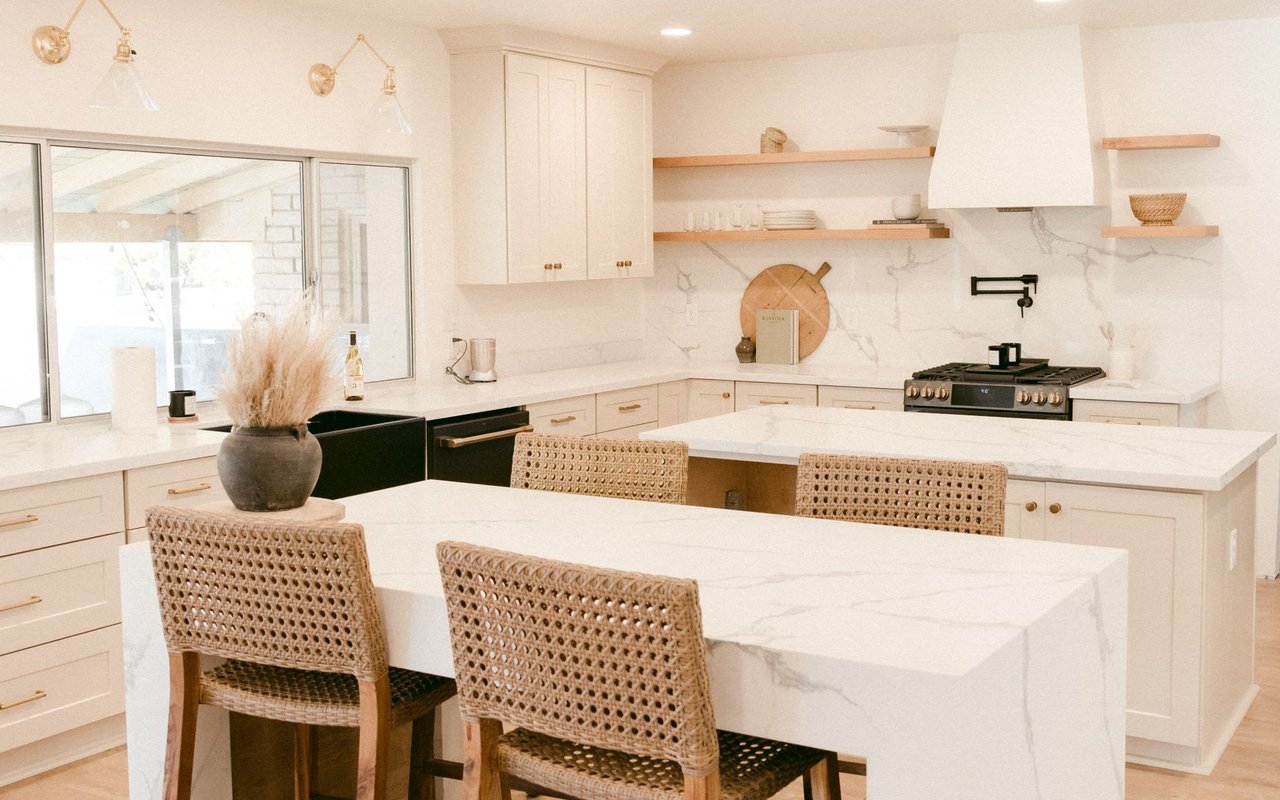
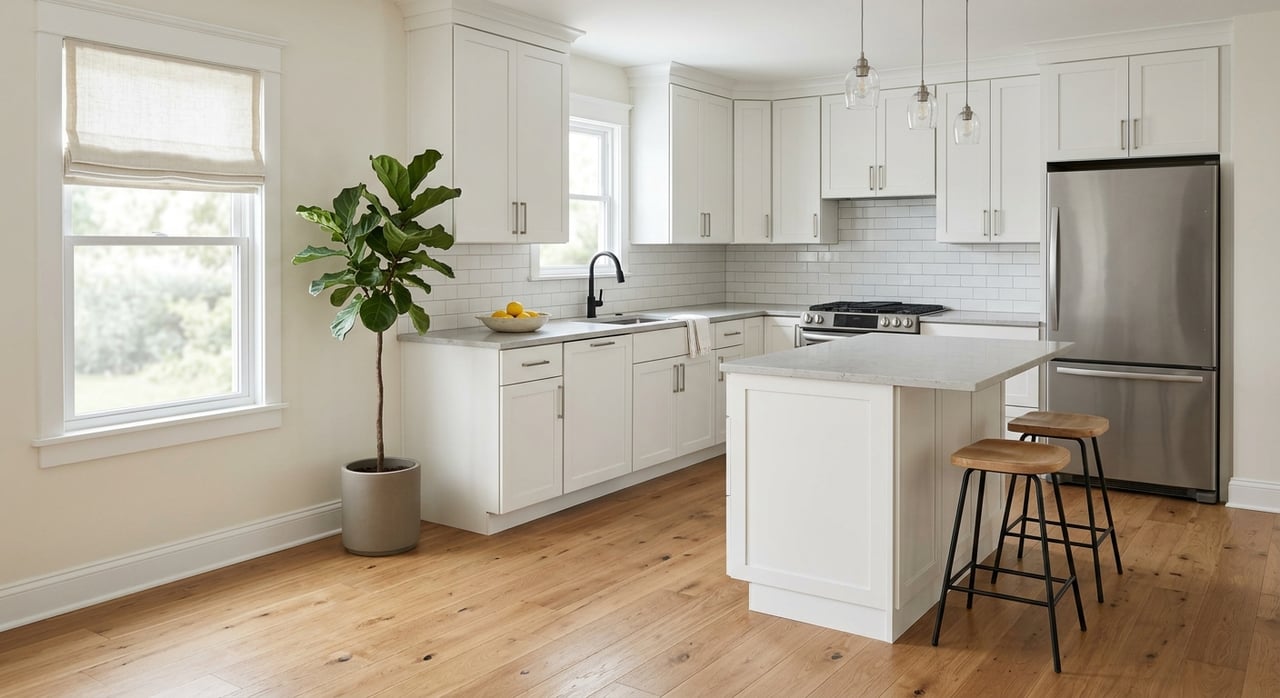
Instead of jumping straight to a major remodel, focus on lower-cost improvements that make the space feel cleaner and more current. NAR specifically points to cosmetic updates like paint, new pulls and handles, updated lighting, backsplashes or countertops, plus a professional deep clean.
That means your kitchen prep list might include:
- Repainting walls in a lighter neutral tone
- Swapping dated cabinet hardware
- Replacing harsh or dim lighting
- Clearing counters except for a few simple accents
- Cleaning grout, appliances, and cabinet fronts thoroughly
Invest in the media package
Even the best prep work can fall flat without strong marketing. Since buyers rely so heavily on online search, your photos and digital presentation need to do real work.
NAR reports that photos are the most useful website feature for most buyers, and videos and virtual tours also matter. In a market where buyers may compare several similar homes before choosing which ones to tour, polished visuals can make your home easier to remember.
This is where elevated listing presentation matters. Clean staging, bright photography, accurate property details, and helpful visual tools like floor plans can help buyers understand the layout and value more quickly.
A practical prep checklist
If you want a simple way to think about your next steps, focus on the improvements most likely to influence buyer perception.
Best first moves for sellers
- Refresh the front door area and porch
- Trim landscaping and improve exterior lighting
- Deep clean the entire home
- Declutter every major room
- Stage the living room, primary bedroom, and kitchen first
- Paint high-visibility spaces in light neutrals
- Fix obvious wear-and-tear items
- Update dated hardware and light fixtures where needed
- Give each extra room a clear purpose
- Make sure your listing includes professional photos and strong visual marketing
What this means for your sale
Today’s buyers are not just looking for square footage. They are looking for homes that feel well maintained, easy to understand, and ready for the next chapter.
In Randallstown, that often means the sellers who win attention are the ones who focus on smart prep instead of unnecessary over-improvement. When your home looks clean, bright, and well presented online and in person, you give buyers fewer reasons to hesitate.
If you are planning to sell and want a clear strategy for what to fix, what to skip, and how to present your home for today’s market, David Pridgen can help you build a prep plan that fits your goals, timeline, and budget.
FAQs
What should sellers in Randallstown fix before listing a home?
- Sellers in Randallstown should usually start with visible repairs, deep cleaning, decluttering, neutral paint in key rooms, and simple exterior improvements like lighting, landscaping, and front entry updates.
Which rooms matter most when preparing a Randallstown home for buyers?
- The living room, primary bedroom, and kitchen are usually the best rooms to prioritize because buyers and their agents consistently identify those spaces as the most important to stage.
Should you remodel a dated kitchen before selling a Randallstown home?
- In many cases, no. Cosmetic updates like paint, hardware, lighting, and a thorough cleaning are often easier to justify than a full remodel, especially when paired with strong staging and photography.
Why does curb appeal matter when selling a home in Randallstown?
- Curb appeal matters because many Randallstown homes are detached and older, so buyers notice exterior condition quickly and often form an opinion before they walk inside.
How important are listing photos for selling a home in Randallstown?
- Listing photos are extremely important because buyers search online first, and photos are one of the top features they use to decide whether a home is worth visiting in person.