
Torn between Catonsville and Columbia for your next home? You are not alone. Both suburbs offer strong value, but the day-to-day lifestyle, commute options, and ownership costs feel very different. In this guide, you will get a clear, side-by-side look at prices, home types, transit, parks, and practical costs so you can decide what fits you best. Let’s dive in.
Catonsville vs. Columbia: Quick take
- Prices: Vendor snapshots show Catonsville medians often in the high $300s to low $400s, while Columbia often trends in the high $400s to mid $500s. Figures vary by source and month. Use recent MLS comps for your target street.
- Housing: Catonsville is an established suburb with many older single-family homes. Columbia is a planned “new town” of villages with a wide mix of condos, townhomes, and single-family homes.
- Commute: Catonsville is closer to downtown Baltimore. Columbia offers easier access to both Baltimore and Washington for some addresses via MARC Camden Line and regional buses.
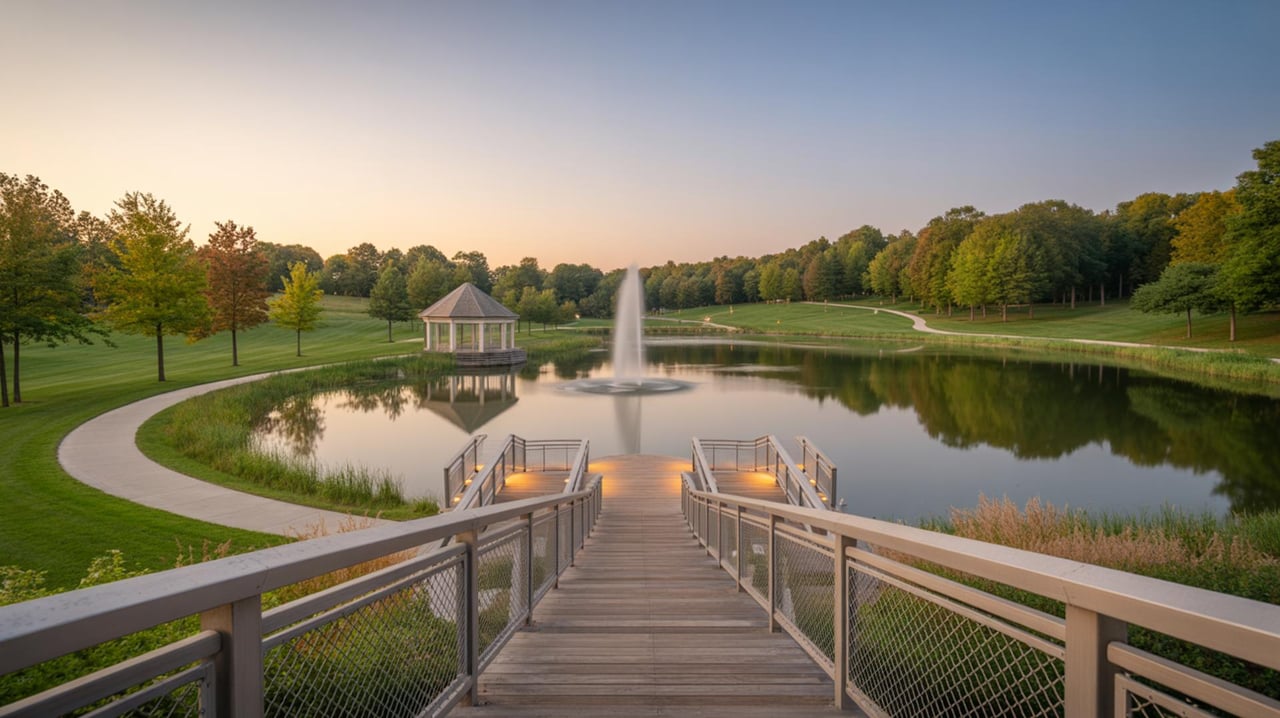
- Parks and lifestyle: Catonsville backs up to Patapsco Valley State Park and has a walkable Frederick Road main street. Columbia features an extensive, managed open-space network with lakes, paths, and year-round programs.
- Costs: Many Columbia homes are subject to a Columbia Association annual charge in addition to any HOA. Catonsville neighborhoods often have lower or no similar community charges.
Home prices and housing types
Catonsville: Older homes and classic blocks
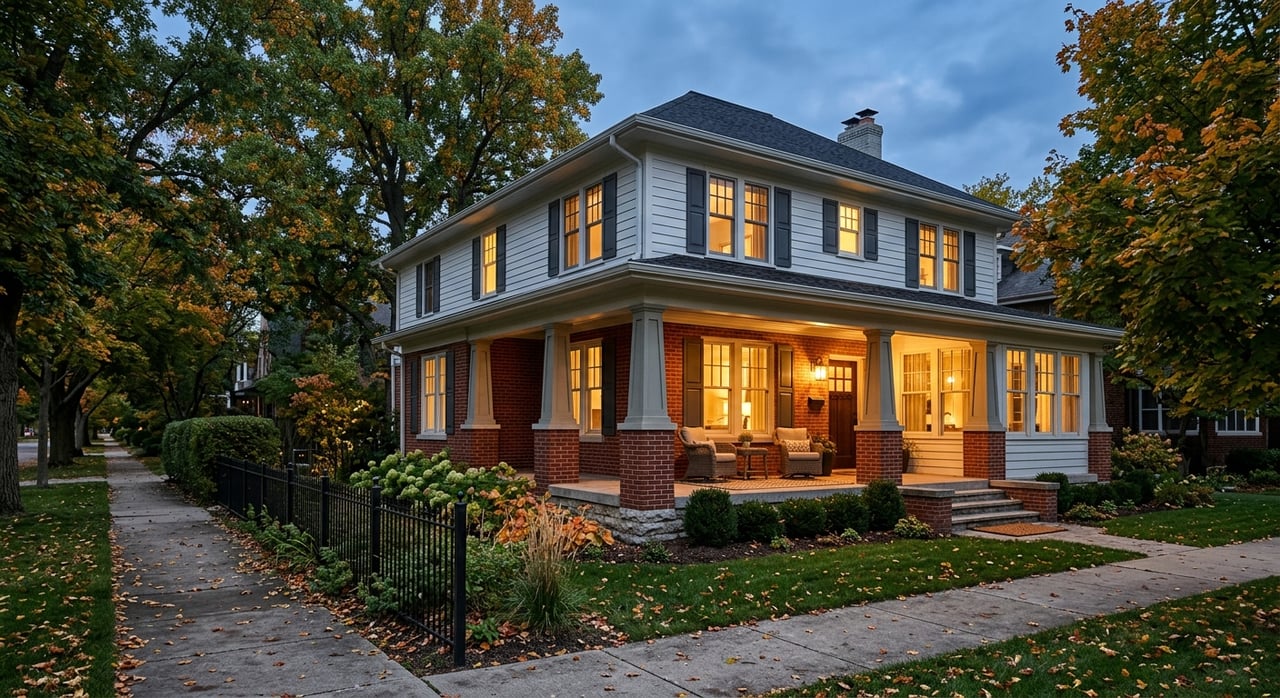
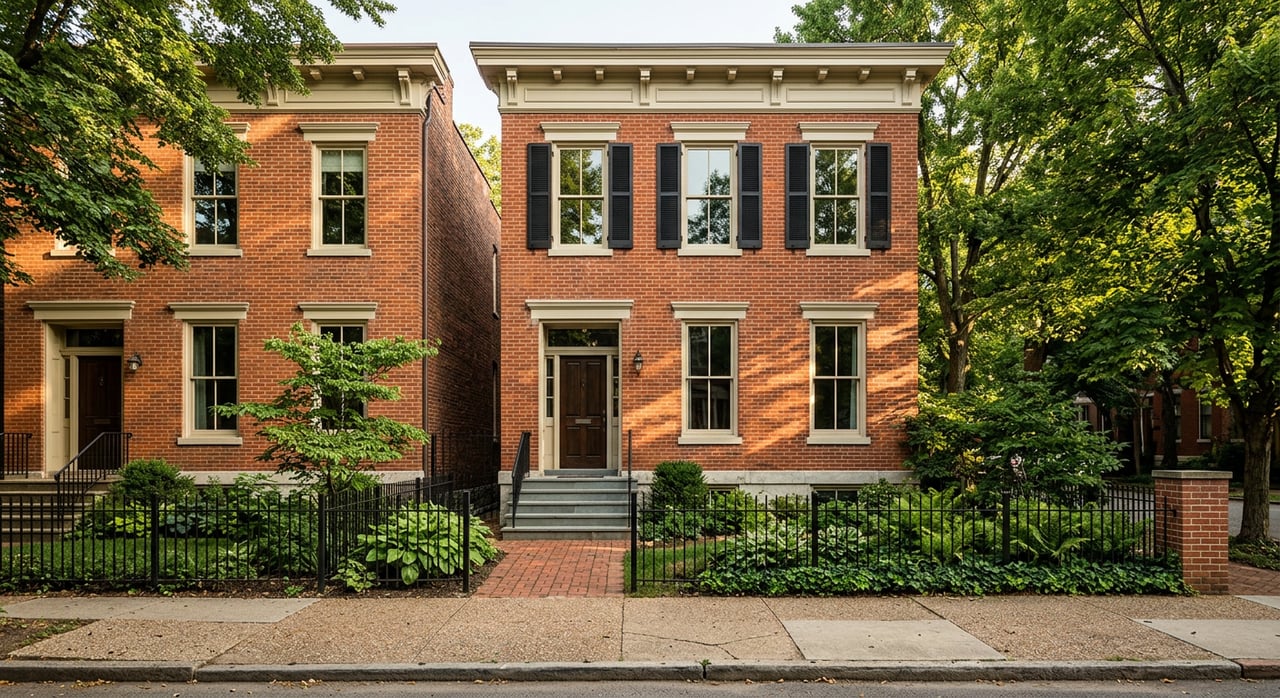
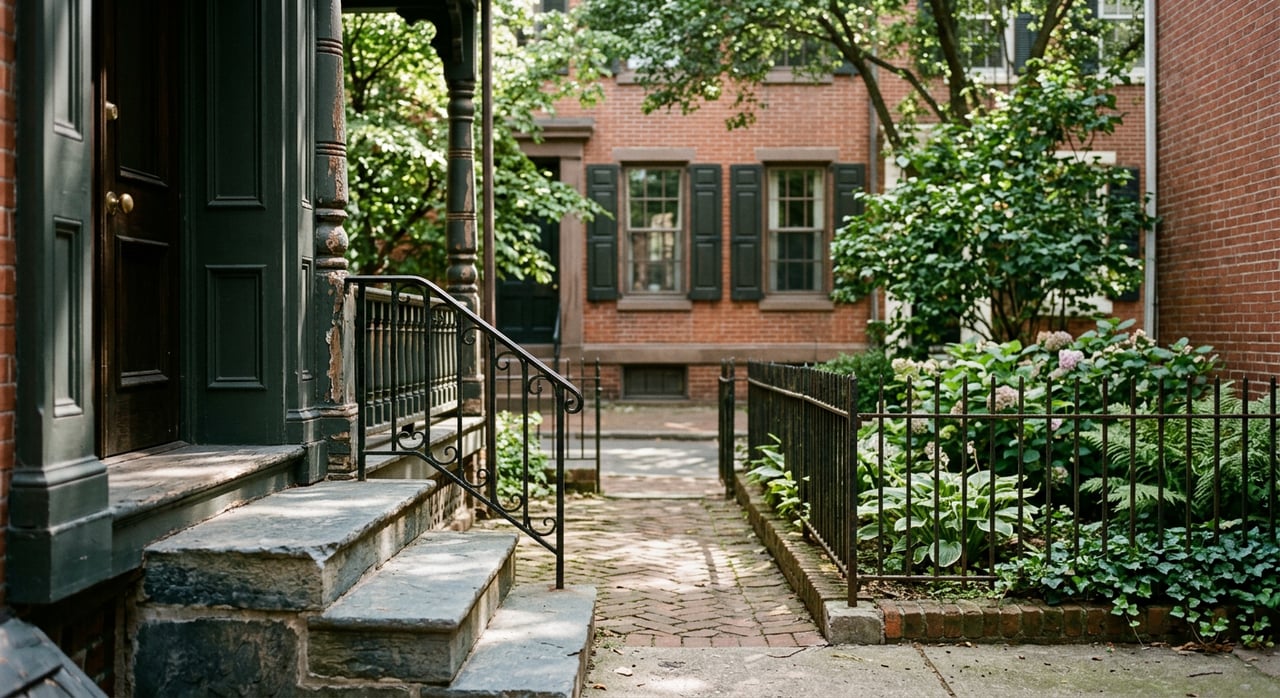
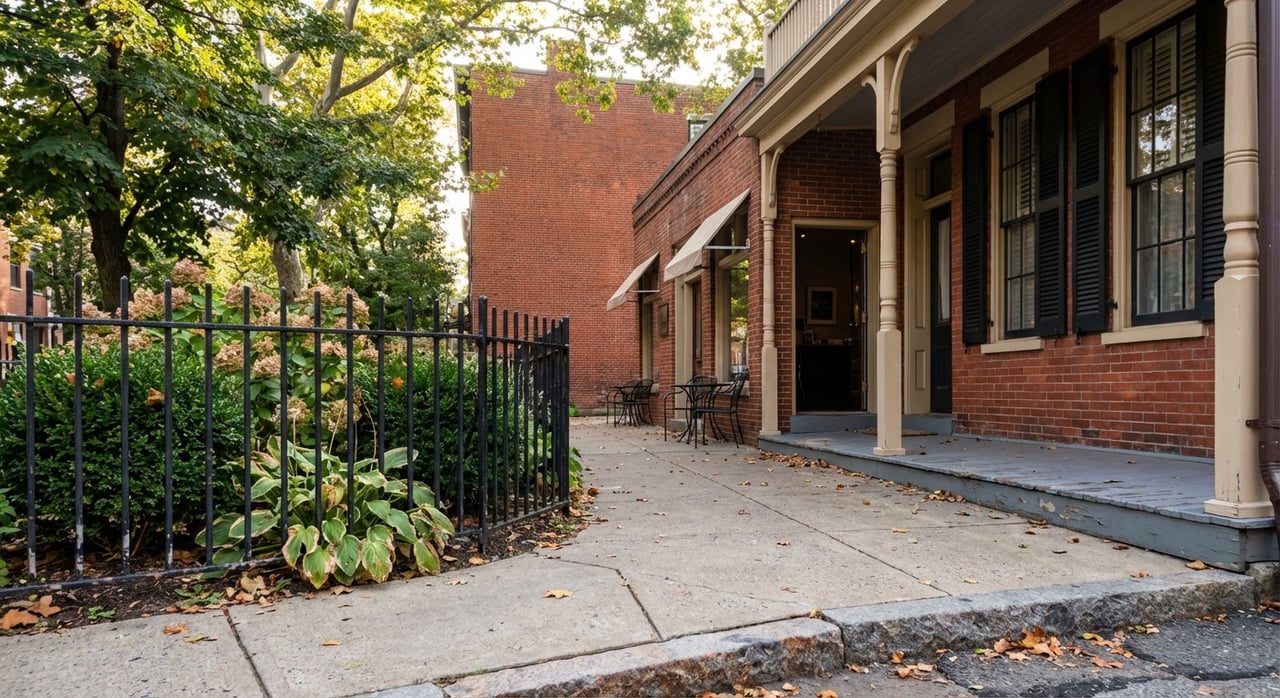
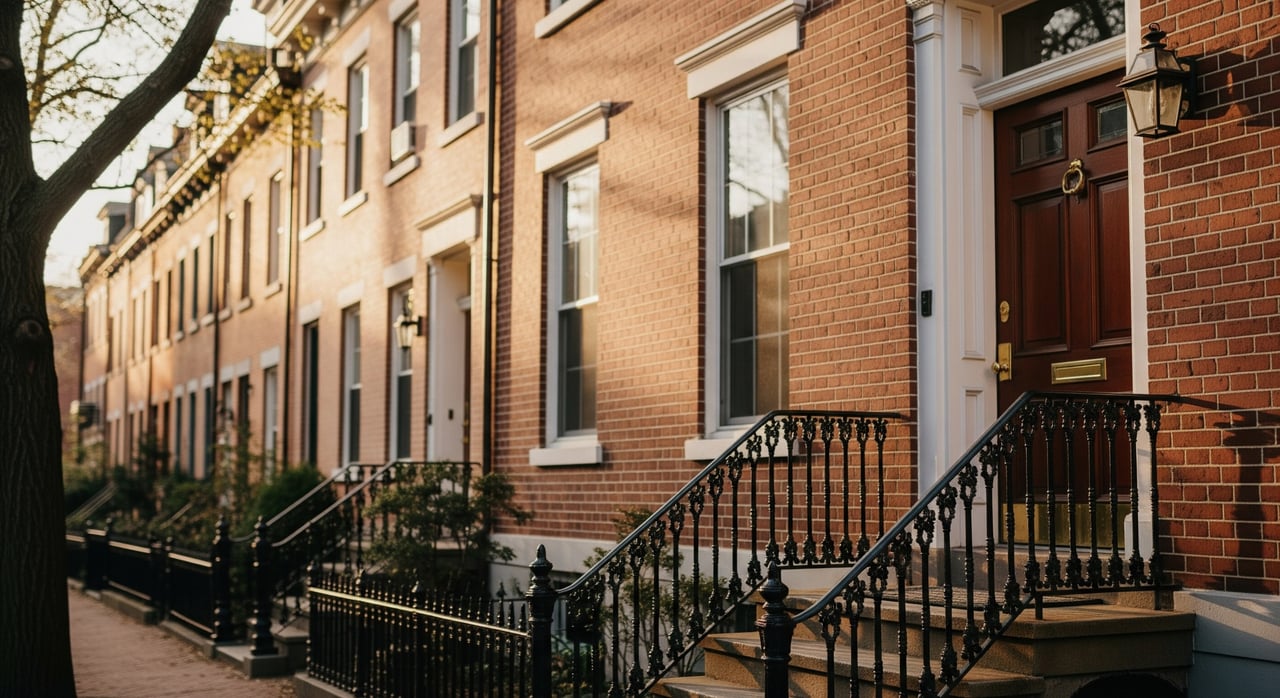
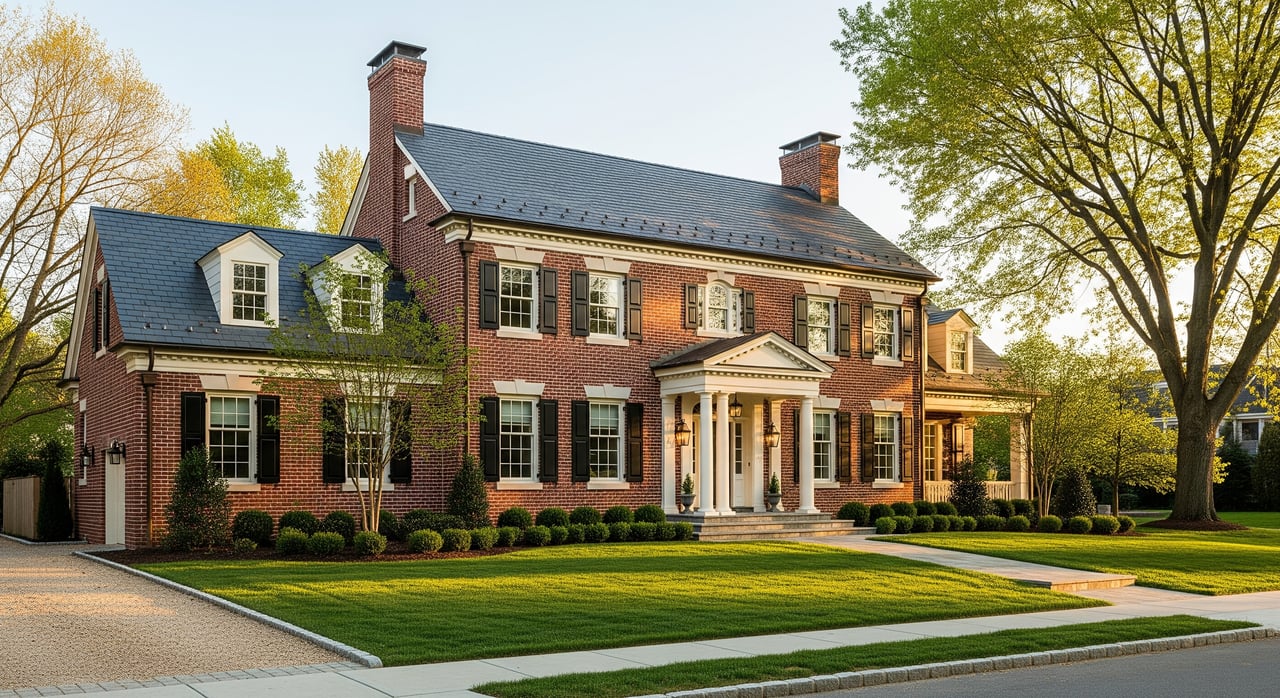
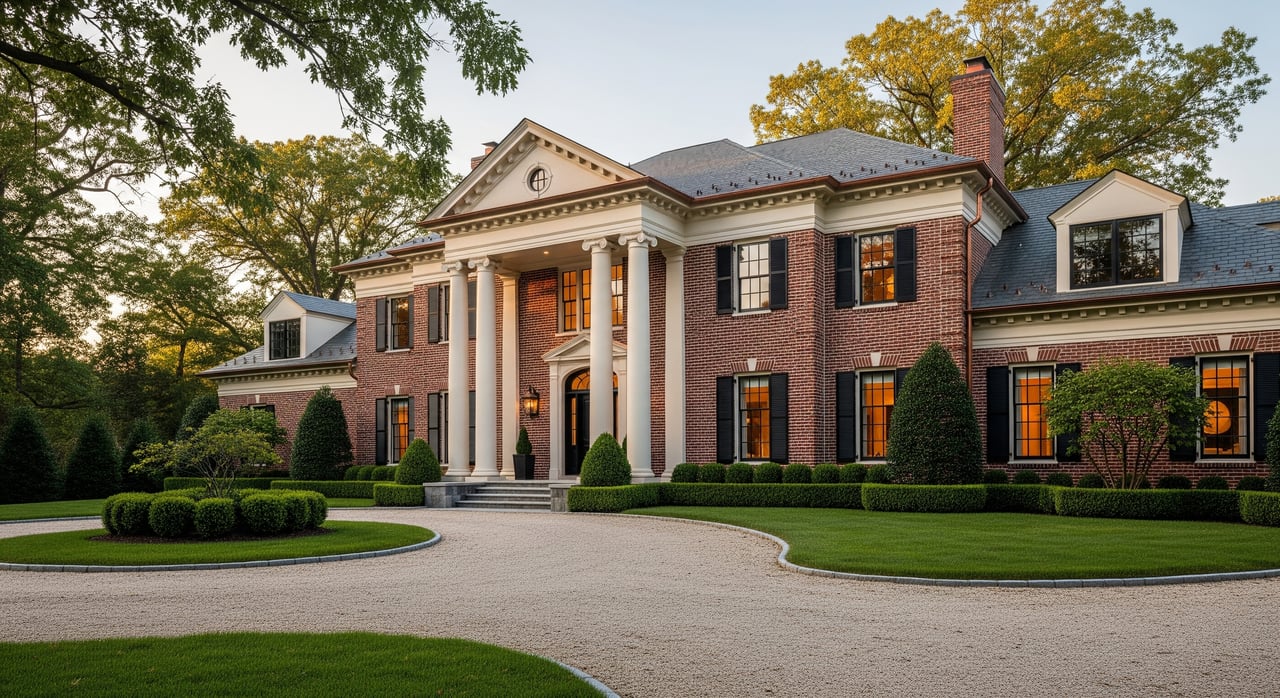
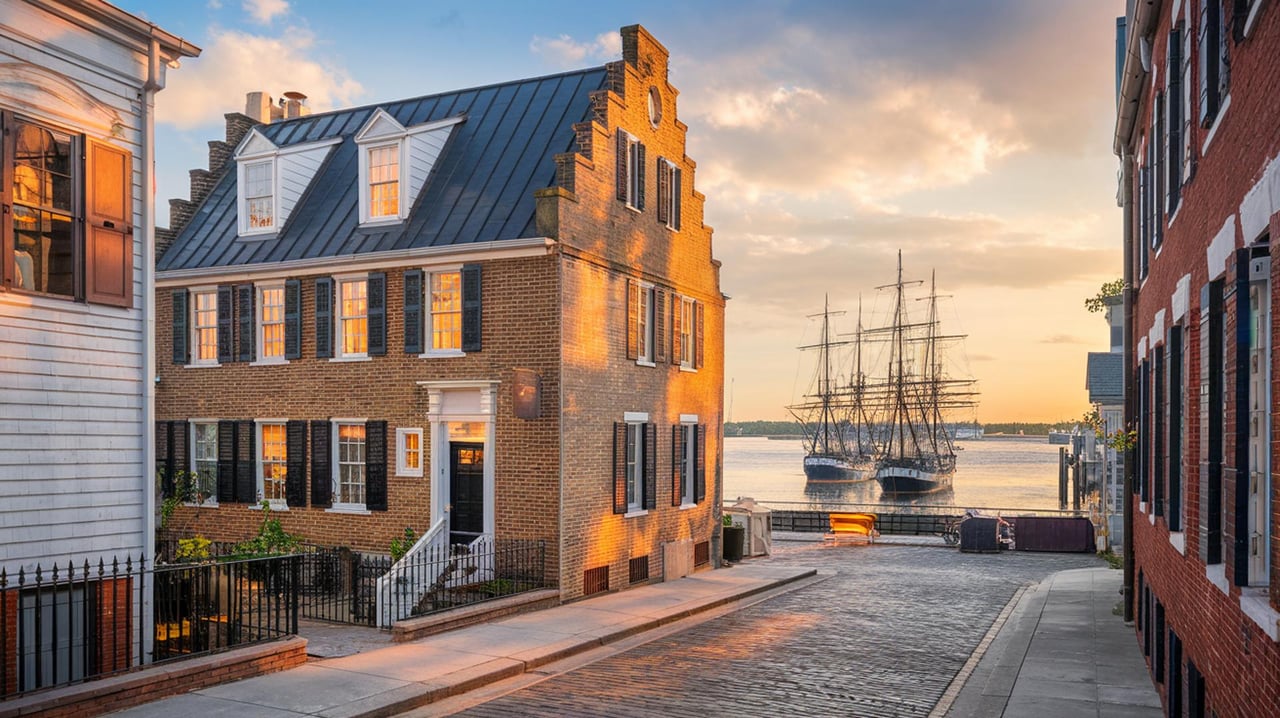
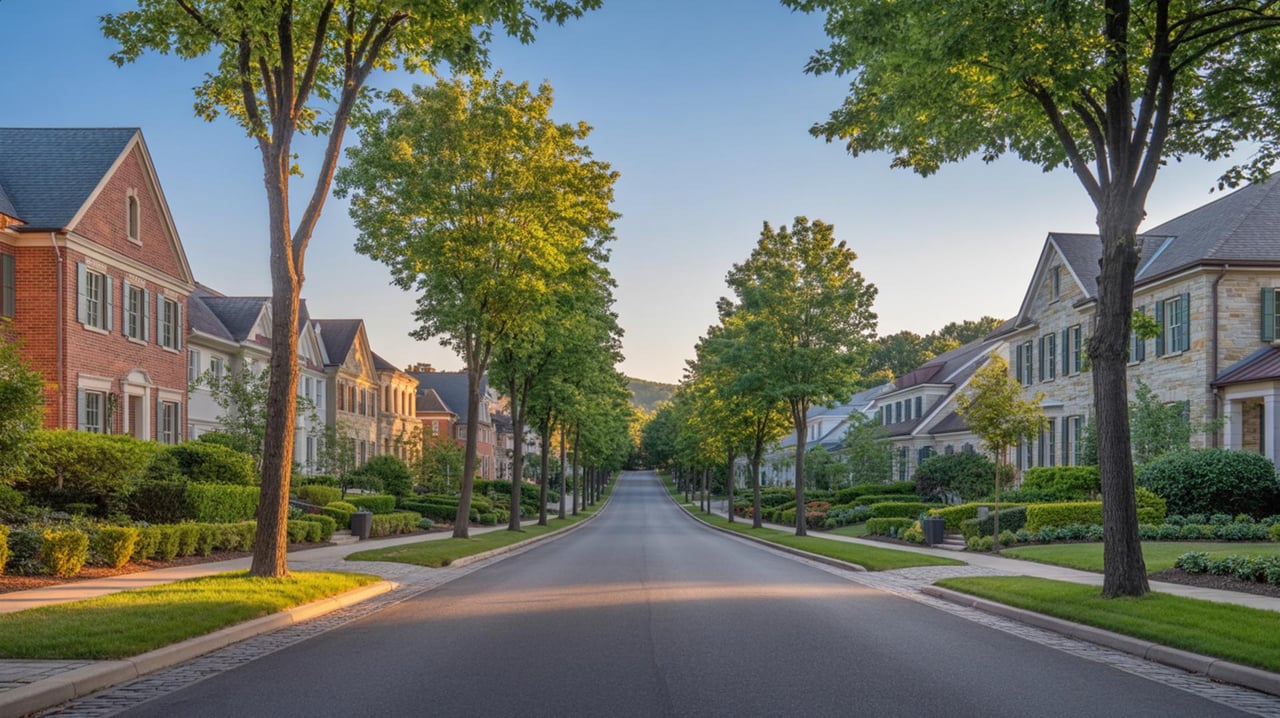
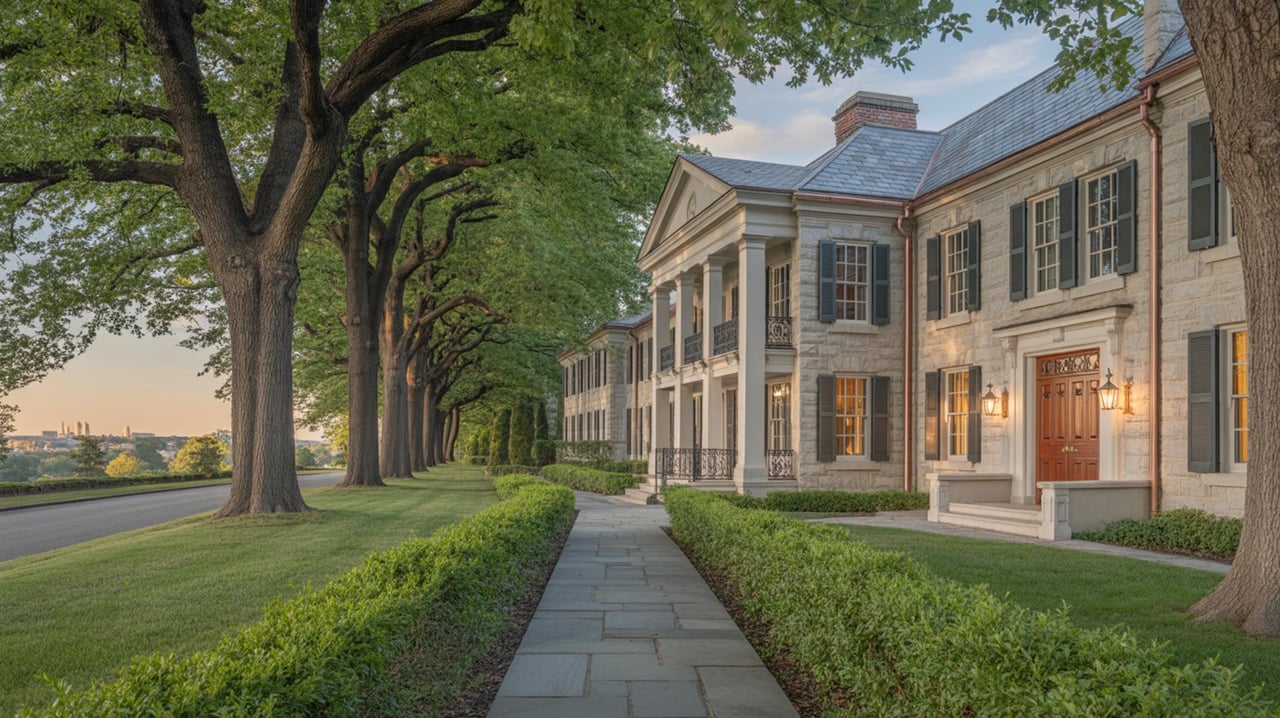
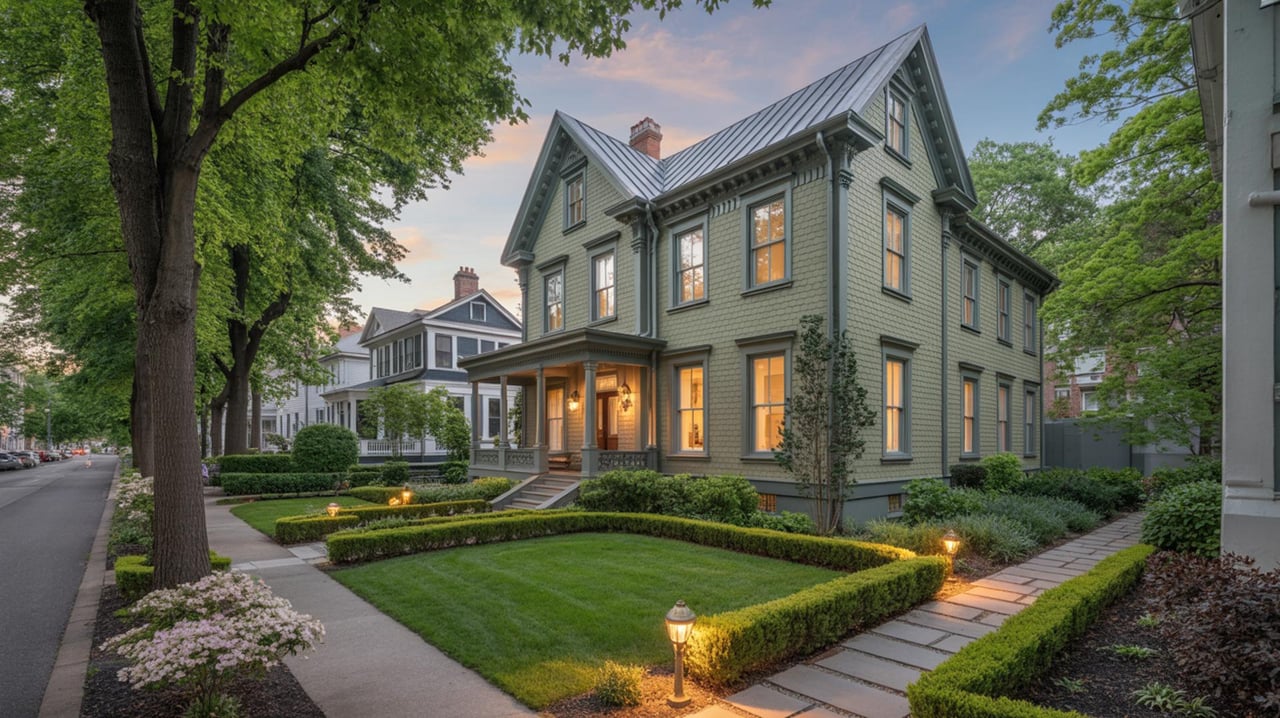
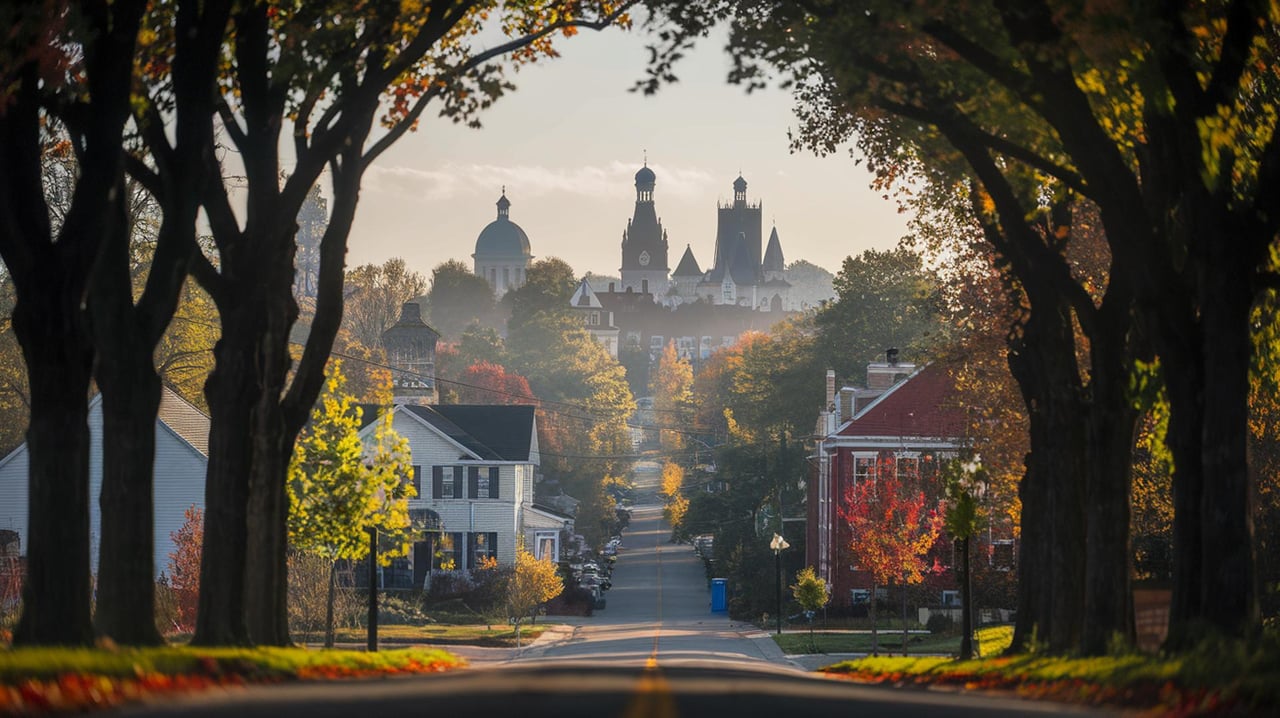
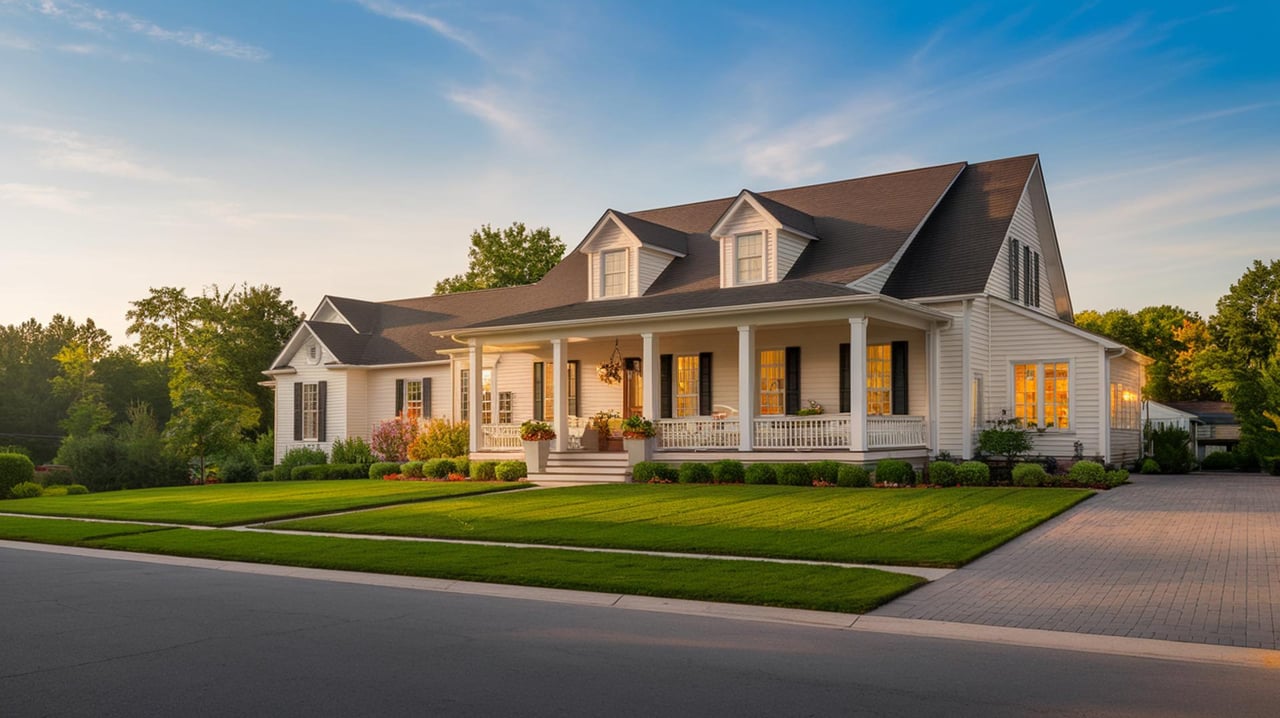
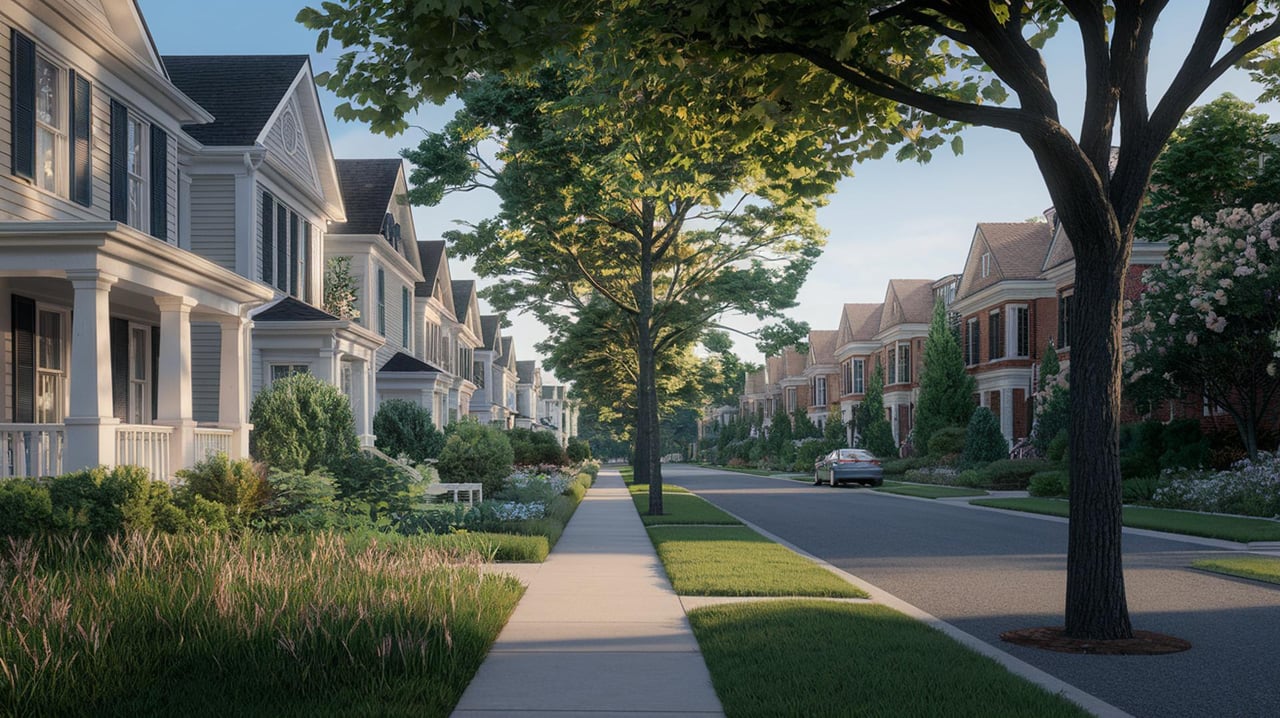
If you love character and a traditional neighborhood feel, Catonsville delivers. It is a long-established suburb with a range of 19th-century through mid-20th-century homes, including Victorians, Colonials, bungalows, ranches, and split levels. Many buyers choose Catonsville for yard space, tree-lined streets, and short drives into Baltimore. The area’s history and mix of housing types are well documented in public sources on Catonsville’s background.
Recent vendor snapshots often place 21228 median sale or list prices in the high $300s to low $400s depending on the month and the data provider. These are broad ZIP-level readings. For a precise view, pull recent MLS comps for the specific blocks you are targeting.
Columbia: Planned villages and more variety
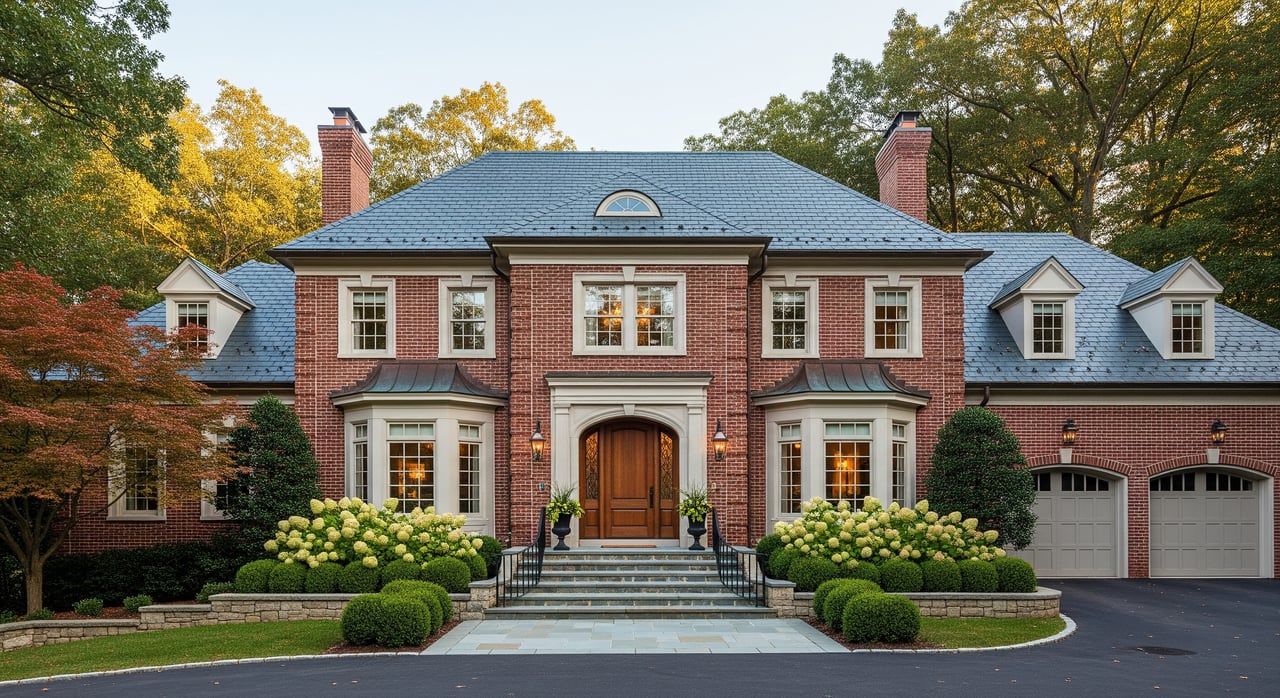
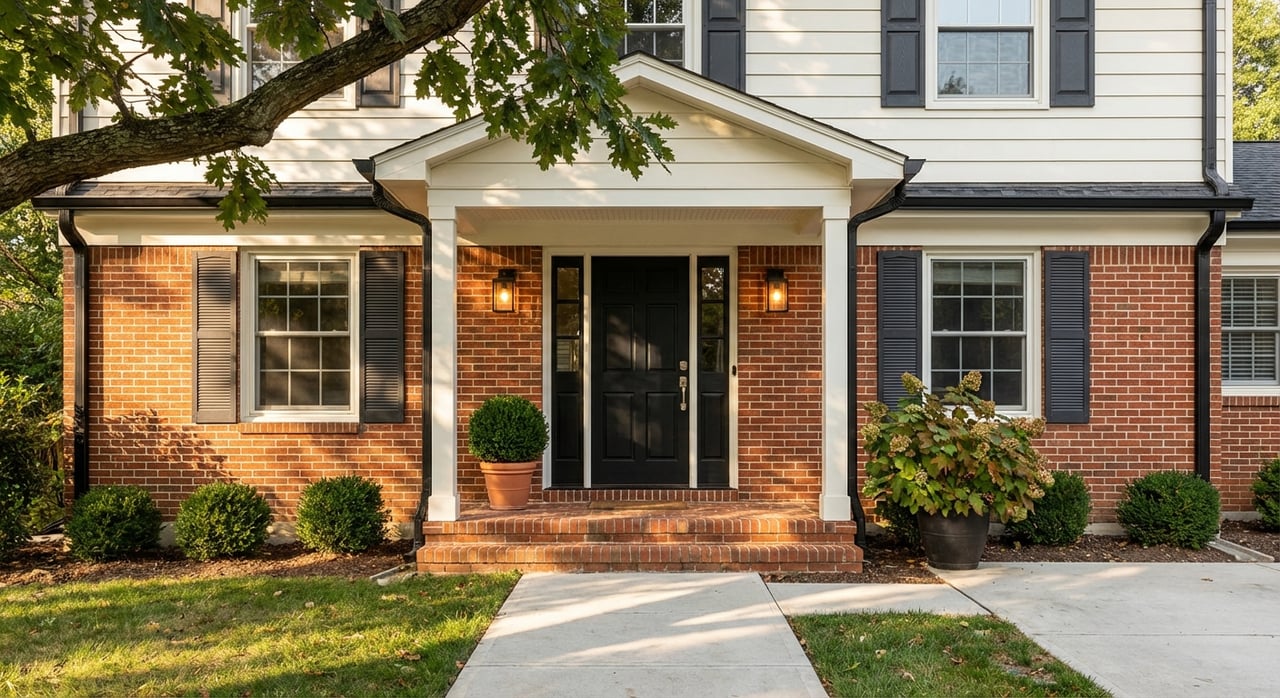
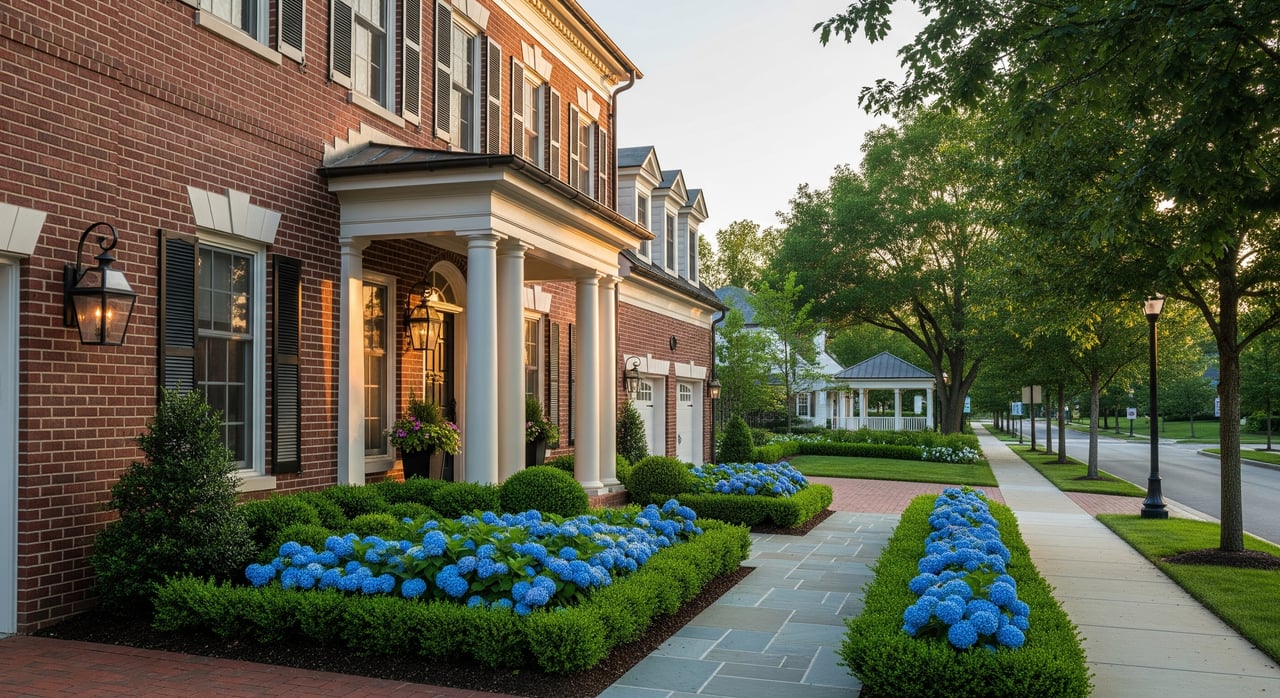
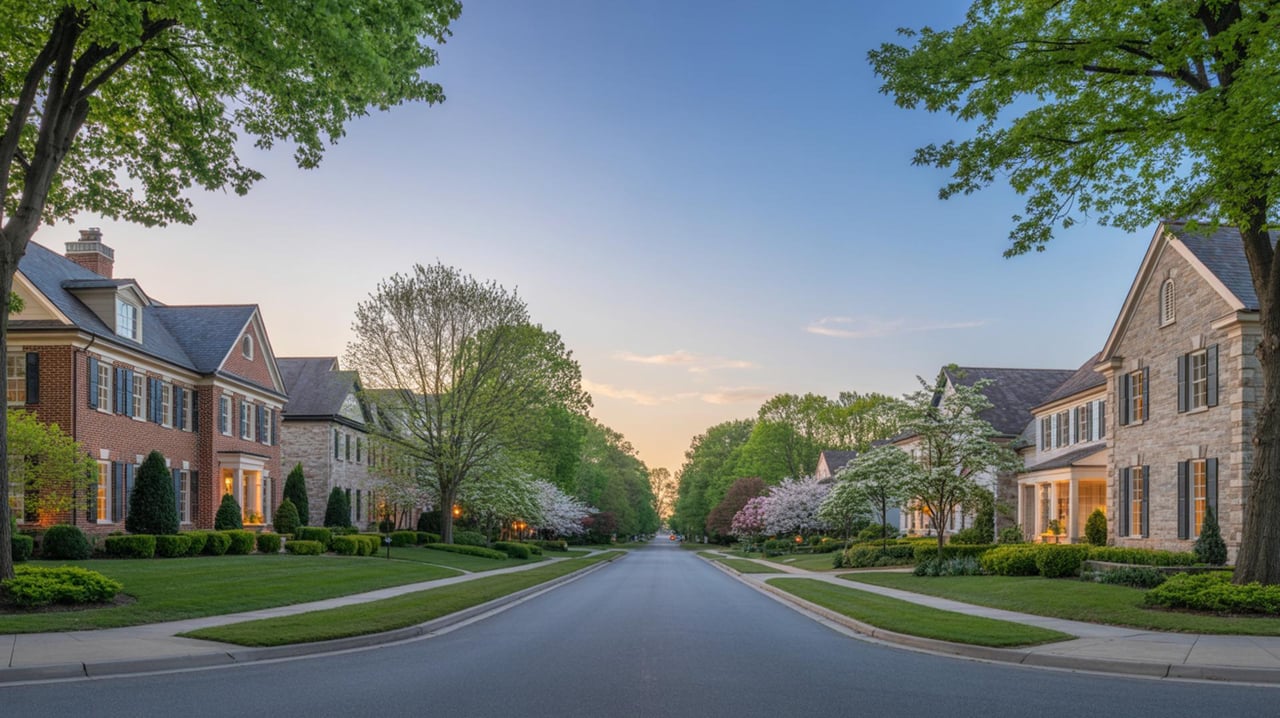
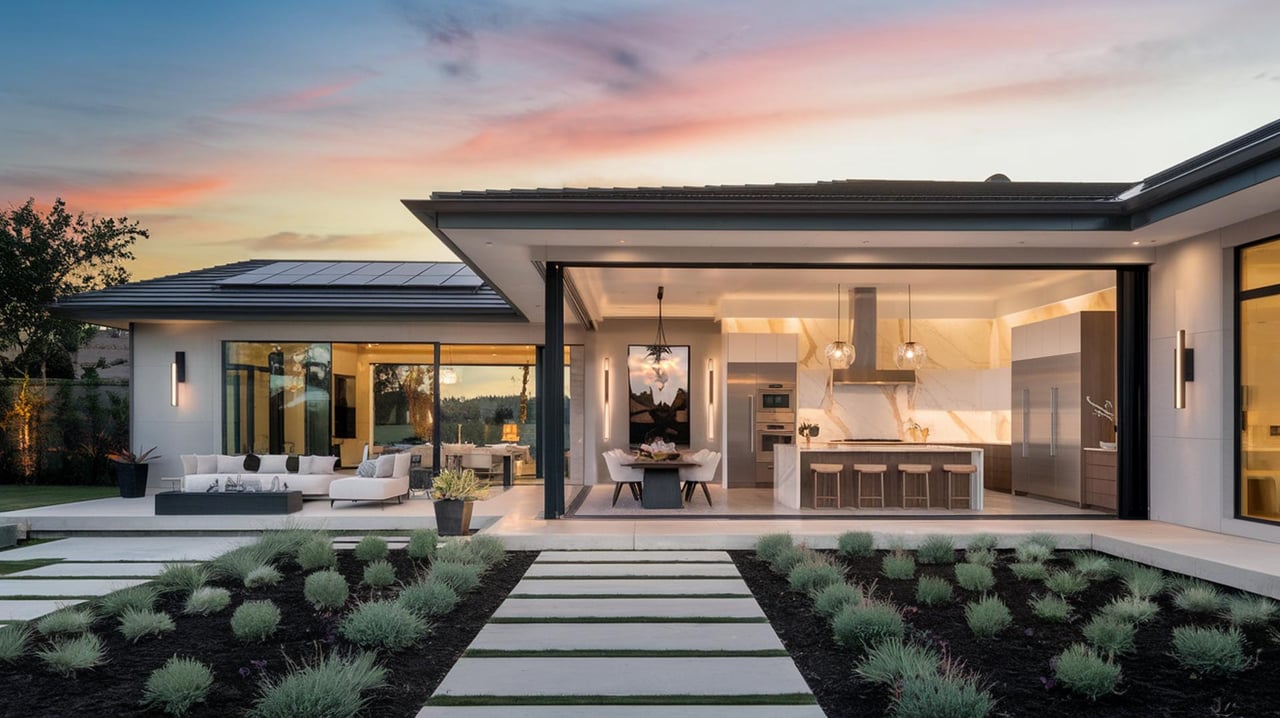
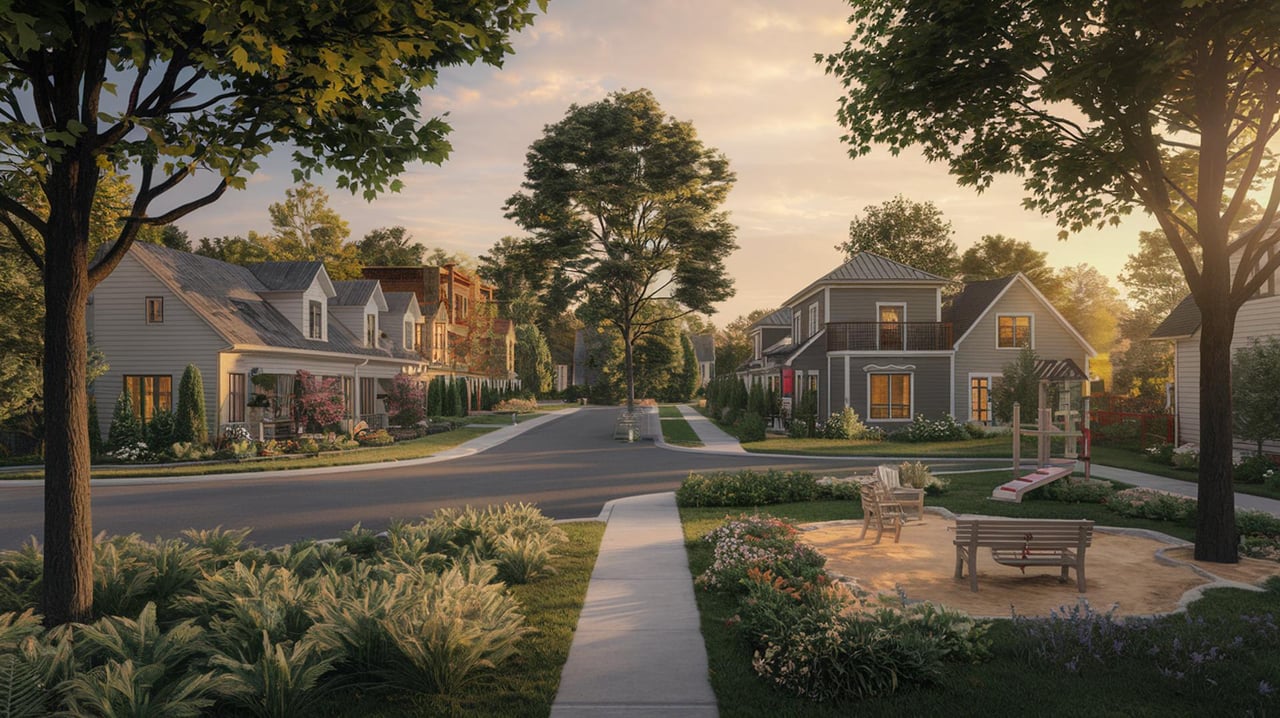
Columbia was designed as a master-planned community with villages and a very intentional mix of housing types. You will find condos and townhomes near village centers, single-family neighborhoods on curving streets, and newer infill closer to Town Center. Many homes sit near pathways and community open space, and covenants guide exterior standards in much of Columbia. The scope of the amenity and open-space system is significant, including lakes and 95-plus miles of pathways maintained by the Columbia Association, as described on the Columbia Association’s open-space page.
Vendor snapshots commonly place Columbia’s medians higher than Catonsville, often in the high $400s into the $500s depending on the area and property type. Price dispersion is wider because the market spans everything from condos to large single-family homes. Always compare like-with-like and use the latest MLS comps for your target village.
Commute and transit access
Driving basics
Catonsville sits just west of Baltimore’s city line, so your drive to downtown Baltimore is typically shorter than from most parts of Columbia. Columbia sits between Baltimore and Washington, which can benefit some DC-bound commuters depending on the address. Because drive times change with traffic, use a real-time trip planner for your exact origin and destination. For geographic context, see Catonsville’s location overview.
Rail and bus options
- Columbia: Nearby MARC Camden Line stations such as Dorsey and Savage offer weekday service to both Baltimore and Washington Union Station. If your schedule fits MARC, it can simplify your DC or Baltimore commute. Check current schedules on the MARC Camden Line page. Regional express buses also connect Columbia to downtown Baltimore at peak times.
- Catonsville: Local MTA routes connect into west-side Baltimore and transfer hubs. Some residents use nearby MARC Penn Line stations, such as Halethorpe, to reach Baltimore or connect toward DC. Service patterns and parking vary, so review your options using MTA resources, including this MTA overview on bus and rail access.
For a broad commute-time backdrop, county averages for Baltimore County often land in the high 20 minutes, but individual trips can be longer based on route and transfers. You can explore averages on Census Reporter’s Baltimore County profile, then map your own daily plan using live tools.
Parks, recreation, and everyday life
Columbia: Managed amenities and paths
If you value integrated recreation, Columbia shines with its extensive open-space system. The Columbia Association reports about 3,600 acres of open space, multiple lakes, and more than 95 miles of pathways, along with pools, tennis, golf, and village recreation programs. These features create consistent access to greenways and activities, which you can preview on the Columbia Association’s open-space page.
Catonsville: Big nature and a small-town main street
Catonsville offers immediate access to Patapsco Valley State Park, known for long trail systems and river corridors. If you want single-track biking or deep-woods hiking minutes from home, living near the park is a major plus. The Frederick Road corridor adds a small-town main street feel with local restaurants and shops. Learn more about the park’s scale and trail network on the Patapsco Valley State Park page and see Catonsville’s background for context on the town center.
Shopping and culture
Columbia’s Town Center clusters retail, dining, and entertainment, including the Mall in Columbia, the lakefront, and concert venues like Merriweather Post Pavilion. A regional guide from the Central Maryland Chamber provides a helpful snapshot of the area’s shopping and culture in and around Town Center, including Merriweather, which you can browse in this relocation and business guide.
Catonsville’s retail is more small-scale and independent along Frederick Road, with easy access to Baltimore’s broader cultural scene by a short drive or transit ride.
Costs and ownership details
Association and annual charges
Many Columbia properties are subject to the Columbia Association annual charge, which helps fund the system of amenities and open space. This is different from property taxes and can be in addition to an HOA fee. The amount and applicability vary by property type, so verify the current figures with the association directly using the Columbia Association contact page.
Property taxes
Baltimore County and Howard County set tax rates each year, and effective bills depend on assessed value and any special district charges. Because rates change, use each county’s official finance or treasurer pages for current numbers and calculate a sample annual bill for your price point. For background on Maryland’s local-rate framework, review this state legislative reference on local government and taxation.
Renovation and maintenance
Catonsville’s older housing stock can come with classic features and potential projects, from roofs and mechanicals to basements and drainage. Many homes have been thoughtfully updated, but you should still budget for age-related maintenance. In Columbia, condo and townhome options may reduce exterior maintenance responsibilities but often include HOA or association charges. Catonsville’s historical development patterns are outlined in the Catonsville overview.
Which fits your priorities
Use this quick checklist to match your lifestyle:
- Shorter Baltimore drive, distinctive older homes, and a walkable main street with independent shops. Consider Catonsville.
- Managed community amenities, lakes and paths, and a wide mix of home types with potential links to both Baltimore and DC by MARC or express bus. Consider Columbia.
- Lower exterior maintenance and a regular calendar of programs and classes. Columbia often fits, especially in HOA or condo settings. Confirm any annual charges.
- Larger contiguous natural parkland and trail systems close by. Catonsville near Patapsco often fits this preference.
How to compare specific addresses
- Map your commute: Test your actual schedule with live tools and the MARC Camden Line schedule. If you are considering the Penn Line near Catonsville, also review MTA resources on regional bus and rail access.
- Walk the green: Tour Columbia’s lakes and pathways using the Columbia Association open-space guide and hike a Patapsco trailhead to feel Catonsville’s park access.
- Price out ownership: Add estimated taxes and, for Columbia, the current Columbia Association annual charge via the CA contact page. Include any HOA or condo fees.
- Get micro-market comps: Ask for recent MLS sales that match your home type and location. Street-by-street data will tell a clearer story than ZIP-wide medians.
- Verify what matters: Confirm school boundaries with the respective districts and check active redevelopment plans for Columbia’s Town Center on community and planning pages. You can read a high-level history of Columbia’s evolution in the Columbia Association’s history materials.
Ready to tour and compare?
You do not have to guess from behind a screen. Walk the neighborhoods, feel the commute, and review true comps with a local advisor by your side. If you want a clear plan for Catonsville vs. Columbia, schedule a consult and tour with David Pridgen. Let’s connect.
FAQs
Is Columbia more expensive than Catonsville?
- Vendor snapshots often show Catonsville medians in the high $300s to low $400s and Columbia in the high $400s to mid $500s, with exact figures varying by month and data source.
What is the Columbia Association annual charge and who pays it?
- Many Columbia properties are subject to an annual charge that helps fund community amenities and open space; confirm applicability and current amounts via the Columbia Association contact page.
Which suburb is better for a DC commute?
- Columbia can be convenient for some DC commuters due to access to nearby MARC Camden Line stations serving Washington Union Station; check schedules on the MARC Camden Line page for your hours.
What kinds of homes will I find in Catonsville vs. Columbia?
- Catonsville skews older single-family homes with classic styles, while Columbia’s planned villages offer a wide mix from condos and townhomes to larger single-family homes; see Catonsville’s overview for historical context.
How do parks and trails compare between the two areas?
- Columbia features a managed system of lakes and 95-plus miles of pathways maintained by the Columbia Association, while Catonsville offers immediate access to the expansive Patapsco Valley State Park trail network.
How should I compare property taxes between Baltimore County and Howard County?
- Check each county’s current rates and apply them to the property’s assessed value; for background on how local rates work in Maryland, see this state legislative overview of local government and taxation.
Is there more new construction in Columbia right now?
- Columbia has ongoing redevelopment and infill activity, especially near Town Center; you can read a historical overview of the community’s evolution in the Columbia Association’s history materials.