Ever wish you could grab coffee, your train, and your groceries without a long drive? Life near Metro Centre in Owings Mills gives you a suburban address with an urban-style hub, right by the Metro SubwayLink terminus. You get transit to downtown, everyday shopping close by, and a steady daytime rhythm from the library and college campus. In this guide, you’ll see what daily life looks like, how far you can walk, housing options to consider, and smart next steps if you’re weighing a move. Let’s dive in.
Metro Centre at a glance
Metro Centre is Baltimore County’s transit-oriented district built around the Owings Mills Metro SubwayLink station. It mixes apartments, on-site retail and dining, office space, and public institutions to create a more walkable town center feel. You can learn more about the project on the official site for Metro Centre at Owings Mills.
The district sits along Grand Central Avenue near Painters Mill Road, with attached commuter parking and quick access to nearby shopping centers. It was planned to keep daily needs close to the transit stop so you can run errands without hopping on I-795 every time.
Daily conveniences within minutes
Library and campus in the core
Right across from the station is the County Campus building, home to the Owings Mills branch of the public library and the Community College of Baltimore County’s Owings Mills extension. CCBC notes the Owings Mills site is under a half-mile from the Metro stop, which keeps student life, events, and resources close to your front door. Explore the CCBC Owings Mills location to see hours and details.
Groceries and errands without the highway
Two major retail centers shape daily life here. Foundry Row, anchored by Wegmans, is built for full-service grocery runs and everyday retailers. For a quick look at the mix, see the Foundry Row overview. Just beyond is Mill Station, a redevelopment of the former mall site with Costco and other big-box anchors, ideal for value shopping and bulk essentials. Check the Mill Station tenant lineup when you plan errands.
Dining and casual fun on-site
Ground-floor storefronts along Grand Central Avenue give you easy options for coffee, lunch, or dinner without getting in the car. Restaurants, cafés, and entertainment venues cluster right in the district, creating a steady evening scene and a convenient meet-up spot for neighbors.
Getting around with transit
Ride times and bus links
If a train commute is part of your plan, the Owings Mills station is the northwest terminus of the Metro SubwayLink. A typical one-way trip to Johns Hopkins or downtown shows at about 25 to 30 minutes on scheduled trains. You can confirm current times on the MTA Metro SubwayLink schedule. Local bus lines also serve the area, which adds flexibility for short hops.
Walk and transit scores
Addresses in the Metro Centre corridor often report a Walk Score around 51 and a Transit Score around 60, which is stronger than many suburban pockets nearby. Apartment listings for addresses such as 10500 Grand Central Ave also place Mill Station and Foundry Row within a roughly 10 to 15 minute walk. See an example listing summary for the Grand Central Avenue corridor to get a feel for those metrics.
Parking and station access
If you drive to the station, multiple commuter parking garages and thousands of spaces serve the hub. Planning documents emphasize the station’s role as a regional park-and-ride, which helps if your routine mixes driving and rail. For background on station facilities, review this county planning reference.
A note on car-free living
You can do a lot on foot here, but total car-free living can depend on your schedule. Train headways, last-mile connections, and personal routines all play a role. Many residents blend short walks, transit, and occasional quick drives to nearby anchors like Wegmans and Costco.
Housing choices near the station
Apartments by the hub
If you want an elevator building with on-site amenities, the immediate Metro Centre blocks are a fit. Properties such as Metro Crossing, The Met at Metro Centre, and The Willard offer studio to three-bedroom plans, rooftop or club-level amenities, and ground-floor retail nearby. For a feel of the product and neighborhood, browse Metro Crossing Apartments.
These newer buildings typically market upgraded finishes and shared spaces designed for working from home, quick social time, and easy pet routines. You trade a big yard for a shorter walk to the train and dinner spots.
Townhomes close to everything
Prefer a front door on the street and a bit of private outdoor space, but still want to be near the hub? Nearby townhome communities give you that middle ground. A good example is The Townes at Mill Run, which targets buyers who want more room than a typical apartment while staying close to shopping and the station corridor.
Single-family pockets nearby
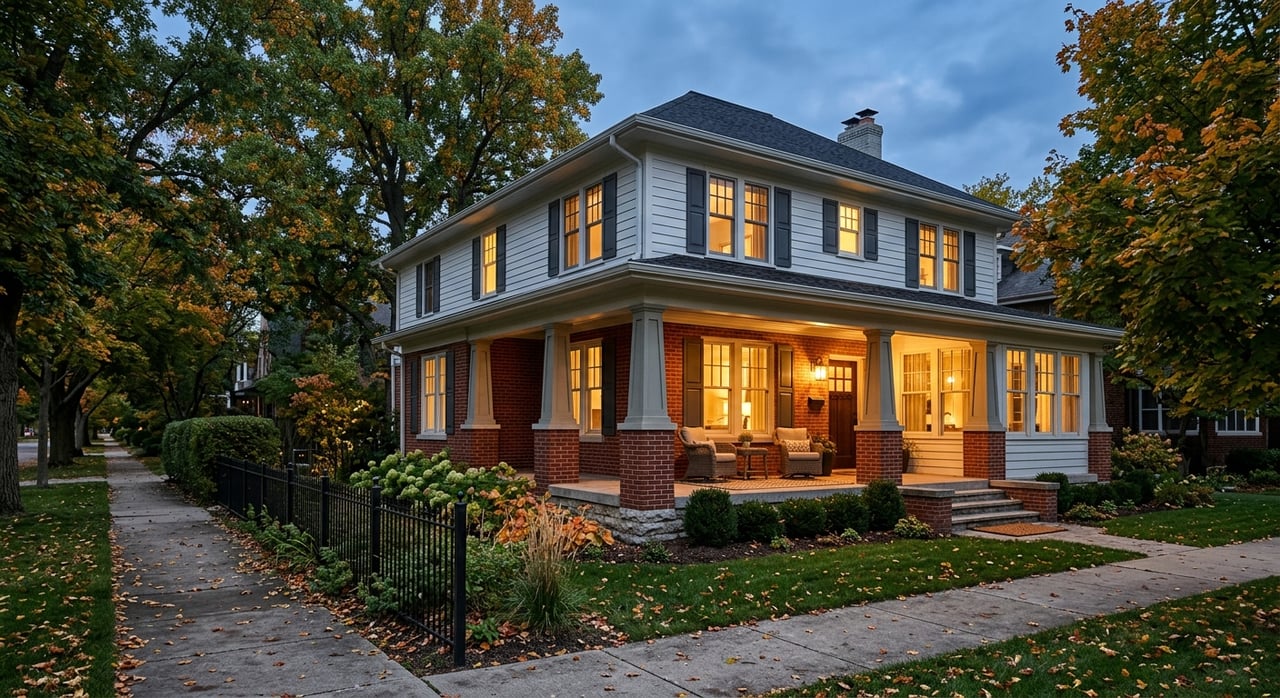
A short drive from the Metro corridor, you’ll find established single-family neighborhoods, including areas around New Town and golf-course communities near Woodholme. These pockets offer larger lots, traditional HOA amenities, and a classically suburban feel compared with the denser blocks at the station. If you value a private yard and driveway more than walk-to-dining, this side of Owings Mills could suit you better.
Prices and rents in context
Pricing shifts quickly based on building age, square footage, and exact location. Newer, amenity-rich apartments near the hub often advertise at a premium over older area properties. Apartment-market trackers commonly report one-bedroom averages in the broader Owings Mills area in the mid-1,500s per month, while newer buildings with upgraded amenities can list higher. For a purchase, condos and compact townhomes near transit often appeal to commuters and first-time buyers, while single-family homes in nearby subdivisions compete on lot size, parking, and neighborhood amenities.
When you get serious, you should review recent MLS comps for your exact property type and micro-location. That gives you a smart price band before you tour or list.
Who this area fits
- You want a shorter train ride to downtown without giving up suburban space.
- You like having a library, college extension, and everyday shopping close by.
- You are choosing between apartment amenities and townhome or single-family space.
- You prefer errands on foot or a quick hop by car to big-box anchors.
The Metro Centre corridor tends to attract renters, commuting workers, and students using CCBC or nearby university resources. Surrounding suburban pockets skew more toward owner-occupied households that prioritize yard space and neighborhood amenities.
A no-car weekday snapshot
- Morning: Walk to a café on Grand Central Avenue, then head to a CCBC class or library study session at the County Campus. The CCBC Owings Mills site outlines hours if you need to plan.
- Midday: Run errands at Foundry Row. Wegmans covers groceries, and you can grab a quick bite. The Foundry Row overview gives you a sense of the tenant mix.
- Afternoon: Hop on the Metro SubwayLink to meet friends downtown. A typical one-way ride runs about 25 to 30 minutes on the MTA schedule.
- Evening: If you need bulk items, swing by Costco at Mill Station, then stroll home.
Tips for buyers and sellers
- Buyers: List your top three daily needs first. If transit and walk-to-errands lead the list, focus on Metro Centre addresses with higher walk and transit scores. If a yard and garage matter most, broaden your search to single-family pockets nearby.
- Sellers: If you are near the hub, highlight proximity to the Metro, the library and CCBC, Wegmans at Foundry Row, and Costco at Mill Station. These anchors can boost interest for commuters and convenience-focused buyers.
- Investors: Proximity to transit and retail typically supports strong renter demand for newer apartments and well-located condos or townhomes. Always verify with current rent comps and HOA guidelines.
Planning and what’s ahead
Metro Centre is recognized in state and county planning as a transit-oriented development focus area. Ongoing conversations often center on pedestrian access and continued infill around the station. As more storefronts and residential options fill in, the day-to-night energy near the hub should continue to grow.
Ready to explore homes near Metro Centre?
If you want a suburban address with a walkable core, Metro Centre belongs on your shortlist. I can help you compare apartment amenities to townhome and single-family tradeoffs, pull precise comps, and plan your next move with confidence. Connect with David Pridgen to map your best options.
FAQs
Is Metro Centre in Owings Mills walkable for everyday errands?
- Listings for the Grand Central Avenue corridor report a Walk Score around 51 and Transit Score around 60, with Foundry Row and Mill Station roughly a 10 to 15 minute walk for many addresses. See an example on apartments.com.
How long is the train ride from Owings Mills to downtown Baltimore?
- Scheduled MTA Metro SubwayLink trips to the Johns Hopkins or downtown stops are typically about 25 to 30 minutes. Check the latest MTA timetable before you go.
What housing types are closest to the station?
- You will find mid-rise, amenity-rich apartments within the Metro Centre footprint, like Metro Crossing Apartments, plus townhomes nearby such as The Townes at Mill Run. Single-family neighborhoods are a short drive away.
Where can I get groceries and big-box shopping near Metro Centre?
- Wegmans at Foundry Row covers full-service grocery needs and Mill Station brings Costco and other anchors for bulk and value shopping.
Is there parking if I drive to the Owings Mills Metro station?
- Yes. Multiple commuter garages serve the station area, reinforcing its role as a park-and-ride hub. See this county planning reference for background.
Are there schools or colleges near Metro Centre?
- The County Campus houses the Owings Mills branch library and CCBC’s Owings Mills extension within walking distance. For K-12 school boundaries, check current Baltimore County Public Schools resources for official assignments.